
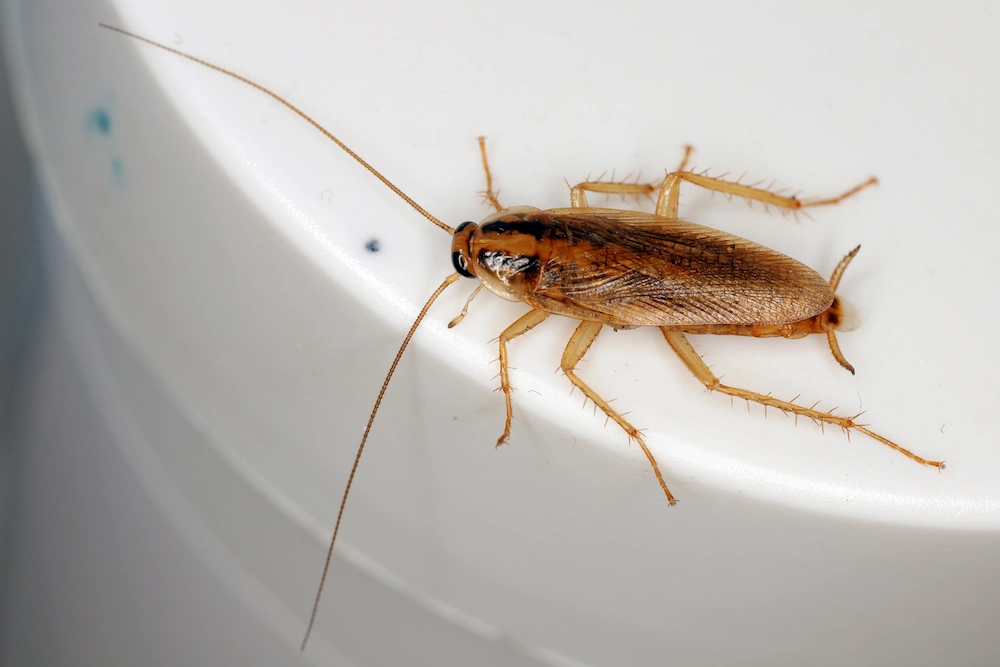
Summary: Ants and roaches can look alike at a glance, but they differ in body shape, behavior, diet, and how they grow from egg to adult. This guide compares the two fast-moving pests and explains why those differences change how each one should be controlled.
Something small and quick just shot across the kitchen floor and disappeared under the fridge. Was it an ant, a roach, or something else? In homes around San Antonio and New Braunfels, ants and roaches are two of the usual suspects, and in the half second you actually see them, they can be surprisingly hard to tell apart.
Knowing which one you have matters, because they eat differently, grow differently, and respond to different treatments. This guide compares ants vs. roaches by appearance, behavior, diet, and life cycle, so you can figure out what you’re dealing with and what to do about it.
How to Spot the Difference in a Split Second
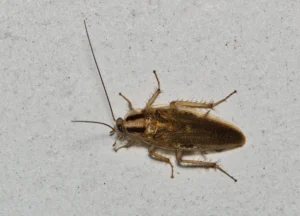
Cockroach
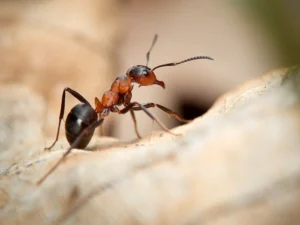
Ant
Start with the body. Ants have three clearly separated sections with a pinched waist between the middle and the abdomen, plus antennae that bend like an elbow. A roach, by contrast, is flat and oval, with a broad shield behind the head and long, thread-thin antennae that are often about as long as the body. Even a tiny roach nymph has that flattened, wide shape that no ant shares.
Then watch how it moves. Most of the time you’ll see ants traveling in lines, following scent trails laid down by other workers, so one ant on the counter tends to mean a steady stream nearby. A roach is more of a loner. It often freezes when the light comes on, then bolts for the closest crack or appliance.
Timing is another clue. Plenty of ants forage in daylight, although carpenter ants are more active at night. Cockroaches are mostly nocturnal, so spotting one wandering around at noon can point to crowded hiding spots or a larger population than you’d guess.
Don’t Let Wings Fool You
Some adult roaches have wings that lie flat across their backs, and winged ant swarmers show up at certain times of year, so wings alone won’t settle the question. Look at the waist and the antennae instead. A narrow waist and bent antennae mean ant, every time.
Check What They Leave Behind
Sometimes you never get a good look at the insect itself, and the clues it leaves are more useful. Roaches leave droppings that look like ground black pepper or tiny dark pellets, depending on the species, plus brownish smear marks along cabinet edges and corners. A larger population can also give off a musty odor that lingers in closed cupboards.
An ant problem rarely leaves much behind indoors besides the trail itself. Outdoors is a different story: fire ants build loose dirt mounds in lawns and beds, and carpenter ants push out small piles of fine wood shavings near the spots where they’re nesting.
What Ants and Roaches Eat
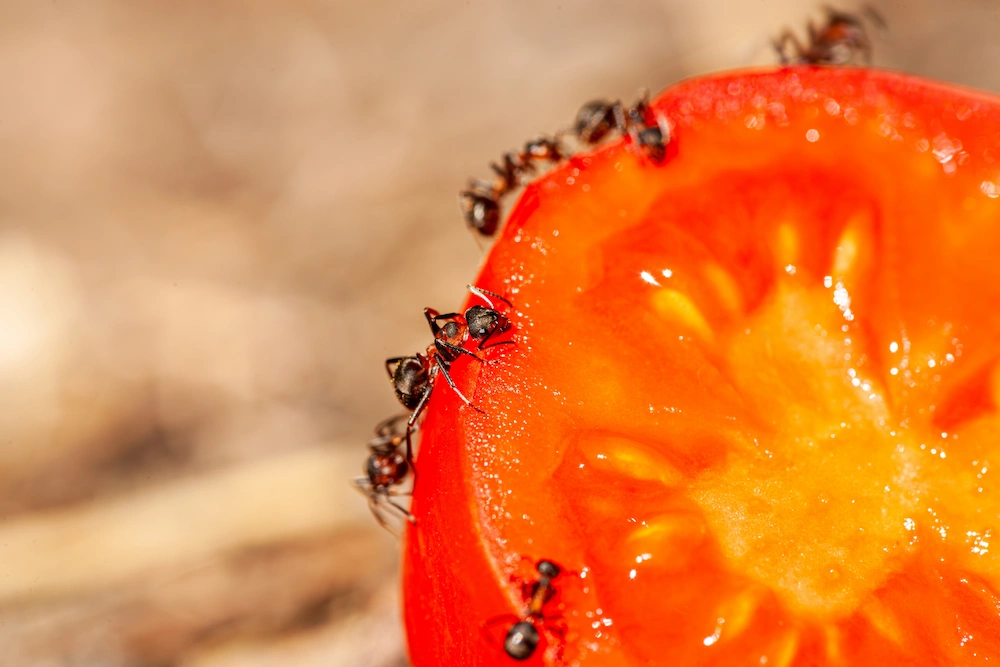
Ants can be surprisingly selective. Many species switch between sugary foods like spilled juice, ripe fruit, and the honeydew aphids leave on plants, and proteins or grease when the colony is raising young. That’s why you might find them in the sugar bowl one week and swarming a dropped piece of chicken the next.
Local species add their own preferences. The Romney team handling pest control in New Braunfels lists carpenter ants, fire ants, crazy ants, odorous house ants, and acrobat ants among the most common ants in the area. Carpenter ants, despite the name, don’t eat wood. They hollow it out for nesting space and feed on sweets and other insects.
A cockroach is a true scavenger with very few standards. They’ll eat crumbs, grease splatter, pet food, starches, and sweets, and when those run short, some species will feed on paper, glue, or soap residue. Water is the bigger draw, which is why kitchens, bathrooms, and the cabinet under the sink are where they tend to set up.
The species around you shape where roaches show up. German, American, and brown-banded cockroaches are all listed as common by the technicians providing Boerne pest control. German roaches stick close to warm indoor kitchens, American roaches are larger and often come in from damp outdoor areas, and brown-banded roaches tolerate drier spots, so they may turn up in bedrooms, closets, or behind picture frames.
Pet food is the overlap people forget about. A bowl of kibble left out overnight is an open buffet for roaches and a handy protein source for ants, and the water dish beside it covers what roaches need most. Picking up bowls at night and keeping the bag in a sealed container cuts off a lot of easy meals for both.
Two Very Different Life Cycles
Ants: Egg, Larva, Pupa, Adult
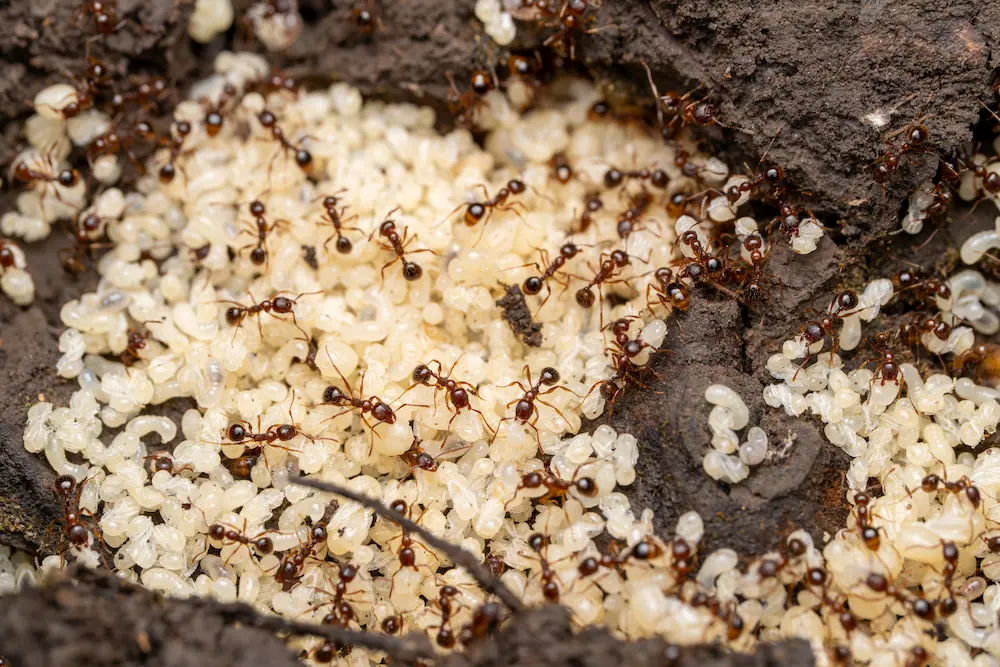
Ants go through complete metamorphosis. The queen lays eggs, the eggs hatch into legless, grub-like larvae, the larvae pupate, and adults finally emerge looking nothing like they did at the start. Larvae can’t feed themselves, so workers carry food back to the nest and share it, which is why the ants on your counter always seem to be heading home.
All of that work supports the queen, or in some species several queens, who handle the egg laying. Wiping out the workers you can see leaves her laying more eggs out of sight. Some colonies can also split when they feel threatened, which helps explain why random spraying sometimes spreads an ant problem instead of shrinking it.
Roaches: Egg Case, Nymph, Adult
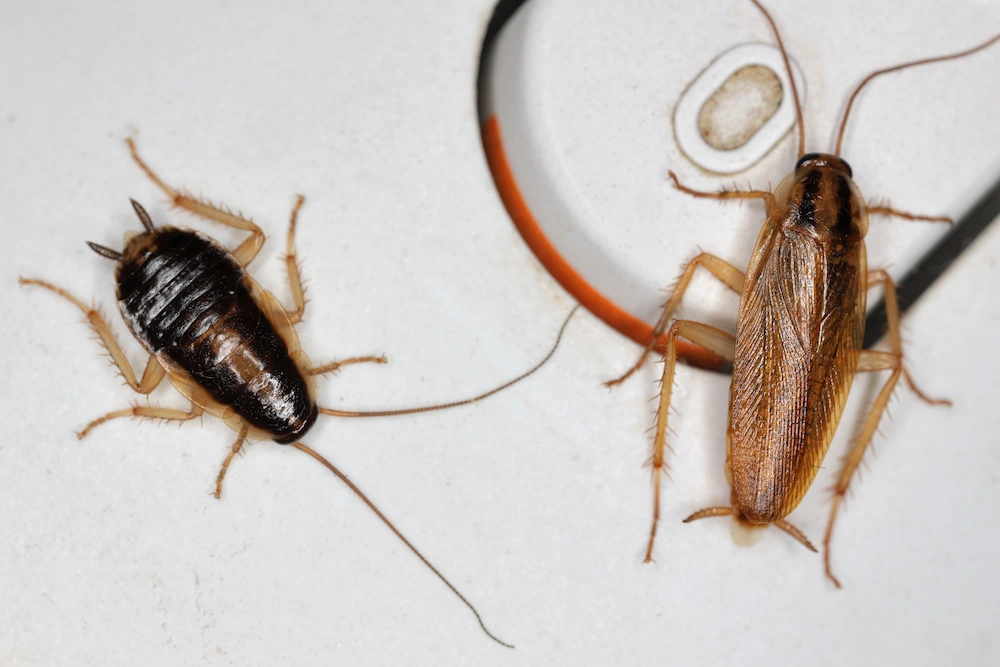
Cockroaches skip the pupa stage entirely, a process called incomplete or gradual metamorphosis. Their eggs are packed into a hard, purse-shaped case called an ootheca. The young that hatch are nymphs, smaller and wingless versions of the adults that grow through a series of molts. Each molt leaves a pale, papery shed skin behind, and finding those in a drawer or cabinet is a strong hint that roaches are breeding nearby.
Different species handle egg cases differently. A female German cockroach carries hers until the eggs are nearly ready to hatch, while American cockroaches drop or glue theirs in a sheltered spot. That case shields the eggs, so knocking down the adults you see may not stop a new wave of nymphs from appearing weeks later. There is also no queen or worker caste among roaches, so any adult female can keep the infestation going.
Warm Texas autumns don’t give either pest much of a break. Foraging ants stay busy through mild October afternoons around San Antonio, and indoor roaches can keep breeding year-round wherever the house stays warm and water is close by.
Why This Changes the Game Plan
This is where the ants vs. roaches question stops being trivia. Because ant workers bring food home to share, slow-acting baits can reach the queen and larvae through the colony’s own feeding routine. Roach control depends more on finding and treating hiding spots, cutting off water and food, and following up to catch nymphs that hatch from protected egg cases.
Ants or Roaches, Get a Clear Answer in New Braunfels
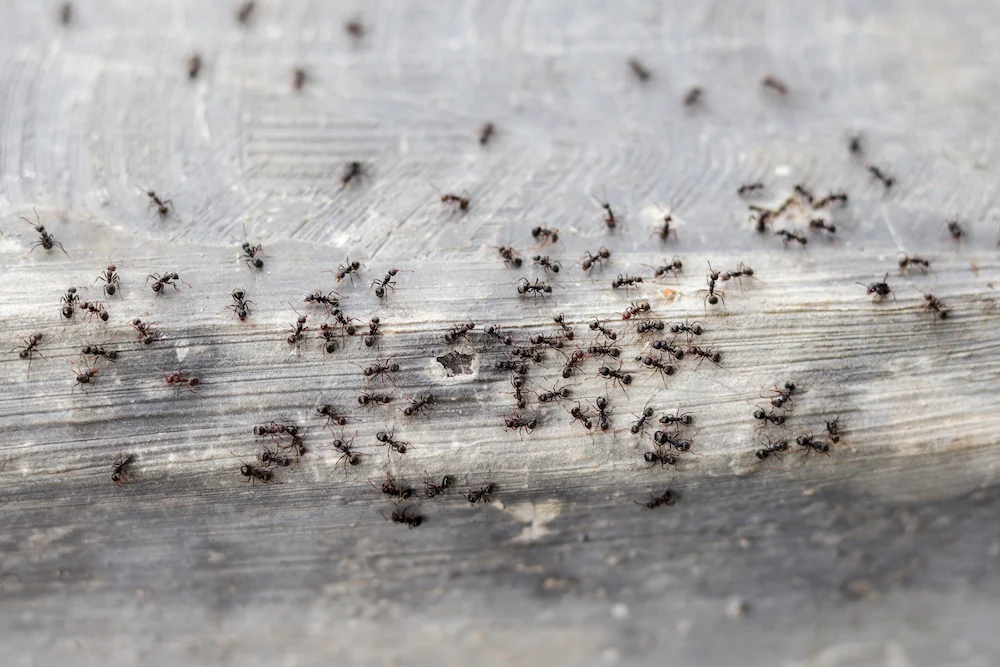
Ants march in lines, have pinched waists and elbowed antennae, and live in colonies built around a queen whose young pass through larva and pupa stages. Cockroaches are flat, solitary scramblers that hatch from egg cases as nymphs and will eat almost anything, as long as water is close by. Once you know which one you have, the right fix gets a lot easier to pick.
Still not sure what’s racing across your floors? Both pests are covered on Romney’s quarterly home plans, and technicians serving New Braunfels, Boerne, and the greater San Antonio area start with an inspection inside and out. That first visit is a good way to find out where the activity is coming from and which approach fits your home. Schedule your initial inspection and service by contacting us for a free quote today!
Citations
Ants VS. roaches. (2000, November 16). Pest Control Technology. Retrieved October 14, 2026, from https://www.pctonline.com/news/ants-vs–roaches/