
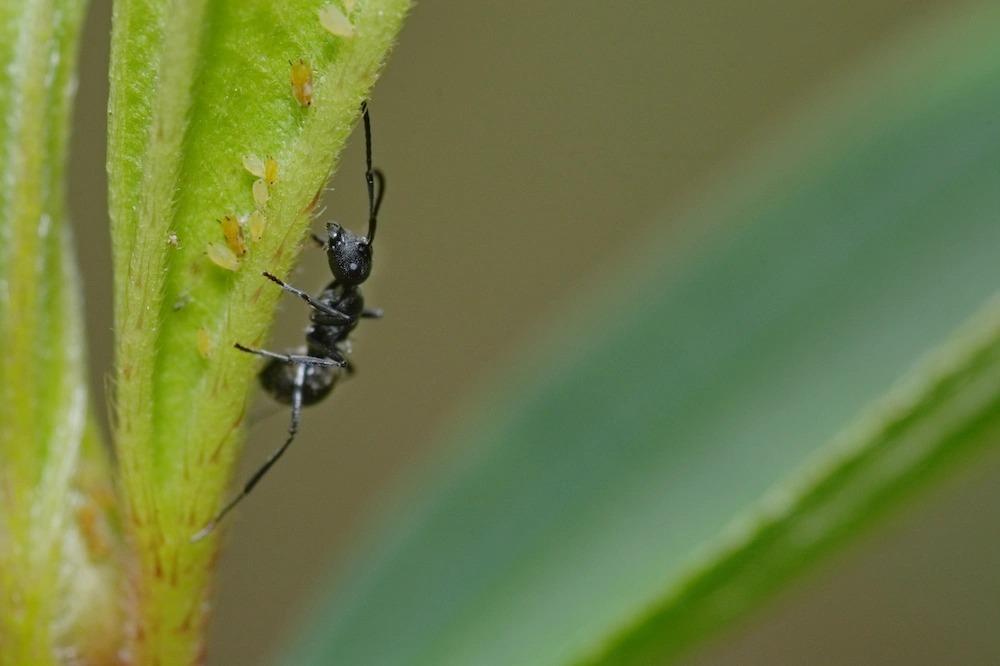
Summary: A comparison guide explaining the differences between fire ants and odorous house ants, including behavior, nesting habits, risks, and control methods.
Ants are one of the most common household pests, but not all ants behave the same way. Some are aggressive and dangerous, while others are more of a nuisance than a threat. Understanding fire ants vs odorous house ants can help homeowners identify the problem correctly and choose the right solution.
While both species may invade homes in search of food, their behavior, nesting habits, and risks are very different. Knowing how to tell them apart is the first step toward effective pest control.
Types of Household Ants You Might Encounter
There are several types of household ants, but fire ants and odorous house ants are among the most commonly reported. Each species has unique traits that influence how they behave and where they live.
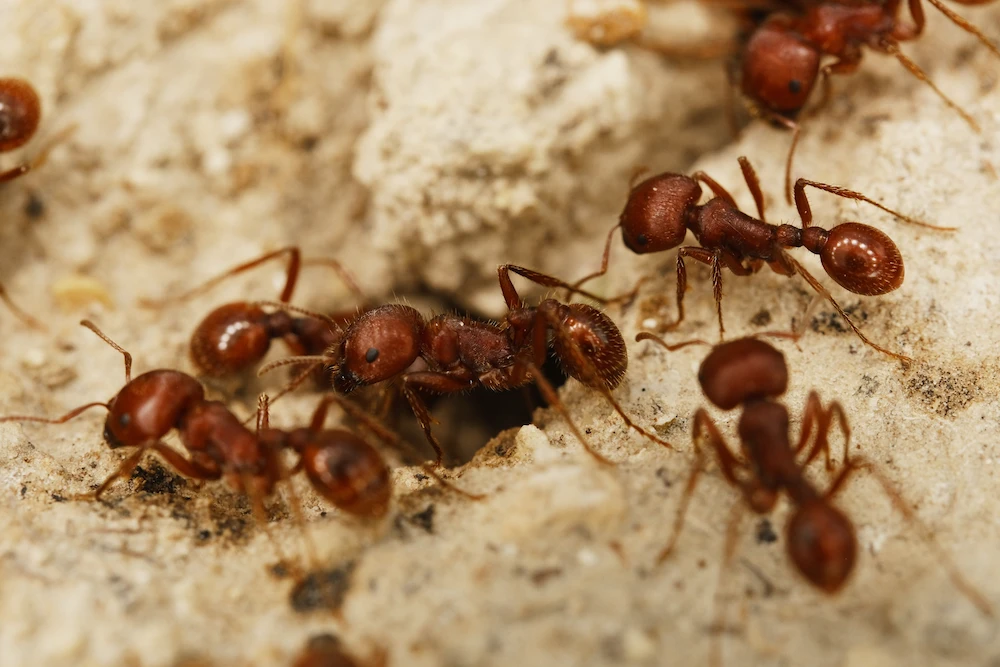
Fire ants are typically found outdoors in soil, forming visible mounds. They are known for their aggressive nature and painful stings. Odorous house ants, on the other hand, are smaller and more likely to be found indoors, especially in kitchens and bathrooms.
Because these ants have different lifestyles, their presence often points to different underlying issues around the home.
Difference Between Fire Ants and House Ants

Fire Ants
Odorous House Ants
The difference between fire ants and house ants is noticeable once you know what to look for. Fire ants are reddish in color and vary in size within the same colony. They build mounds in yards and will aggressively defend their nest if disturbed.
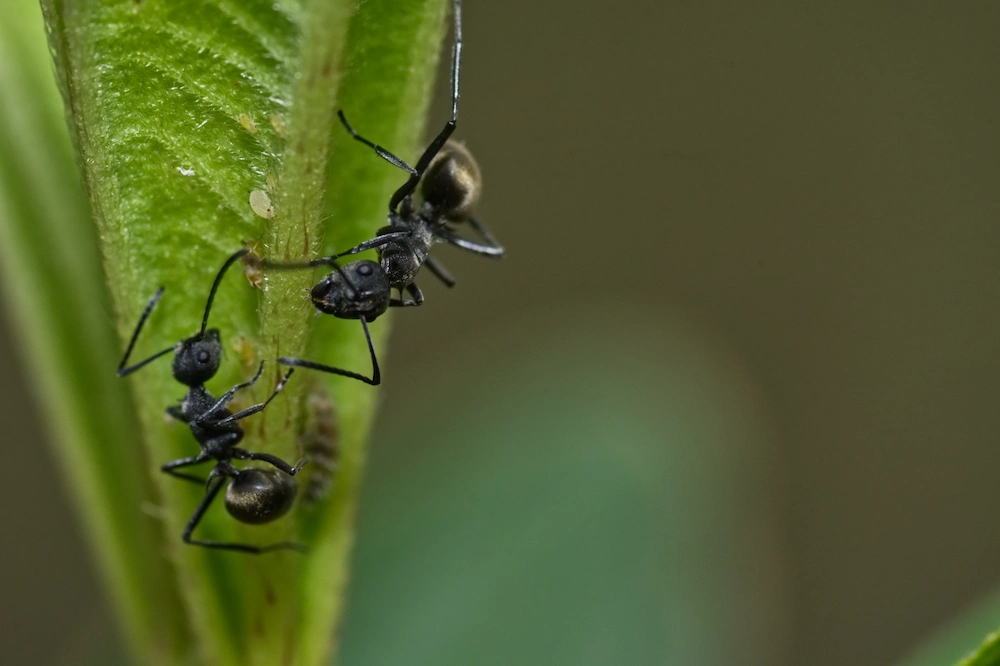
Odorous house ants are small, dark brown to black ants that give off a distinct, unpleasant smell when crushed. They do not sting, but they can quickly become a nuisance due to their large numbers.
Another key difference is how they interact with people. Fire ants can pose a health risk because of their stings, while odorous house ants are more associated with food contamination and indoor annoyance.
Identifying Ant Species in Your Home

Accurate identifying ant species is important because treatment methods vary depending on the type of ant. Misidentifying ants can lead to ineffective control and recurring infestations.
Fire ants are usually found outside, especially in sunny areas like lawns, gardens, and along sidewalks. Their mounds are often easy to spot and can become active when disturbed.
Odorous house ants tend to form trails indoors. They are commonly seen near sinks, countertops, and food storage areas. If you notice a rotten or coconut like smell when ants are crushed, it is a strong sign you are dealing with odorous house ants.
Ant Behavior Comparison: How They Live and Feed

An ant behavior comparison between these two species highlights major differences in lifestyle. Fire ants are highly territorial and will attack when their nest is threatened. They rely on their sting as a defense mechanism and can swarm quickly.
Odorous house ants are less aggressive but highly persistent. They form long trails as they search for food and can invade homes in large numbers. Their colonies can also relocate easily, which makes them harder to eliminate with simple DIY methods.
Fire ants typically prefer outdoor environments and feed on insects, seeds, and organic matter. Odorous house ants are more attracted to sugary foods and are often found scavenging indoors.
Nesting Habits and Colony Structure
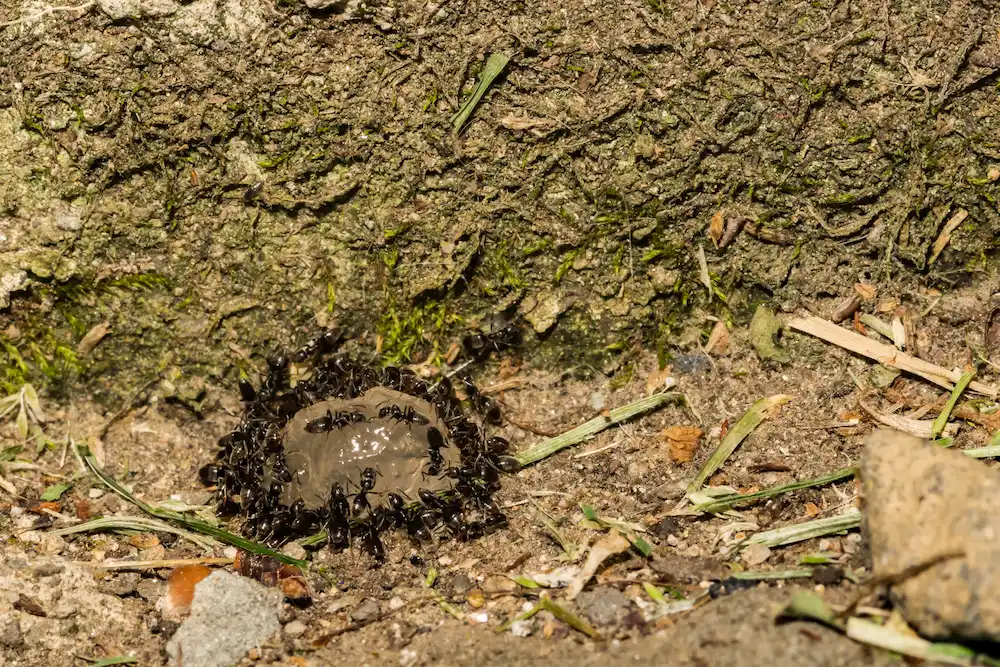
Fire ants build large underground colonies with visible mounds on the surface. These mounds can appear suddenly and may contain thousands of ants. The colony structure is complex and designed to protect the queen and brood.
Odorous house ants build nests in hidden areas such as wall voids, under floors, or beneath appliances. Outdoors, they may nest under rocks, mulch, or debris. Their colonies can have multiple nesting sites, which allows them to spread quickly.
Because of these differences, fire ant infestations are usually noticed outdoors first, while odorous house ant infestations often begin indoors.
Which Ant Is More Dangerous?
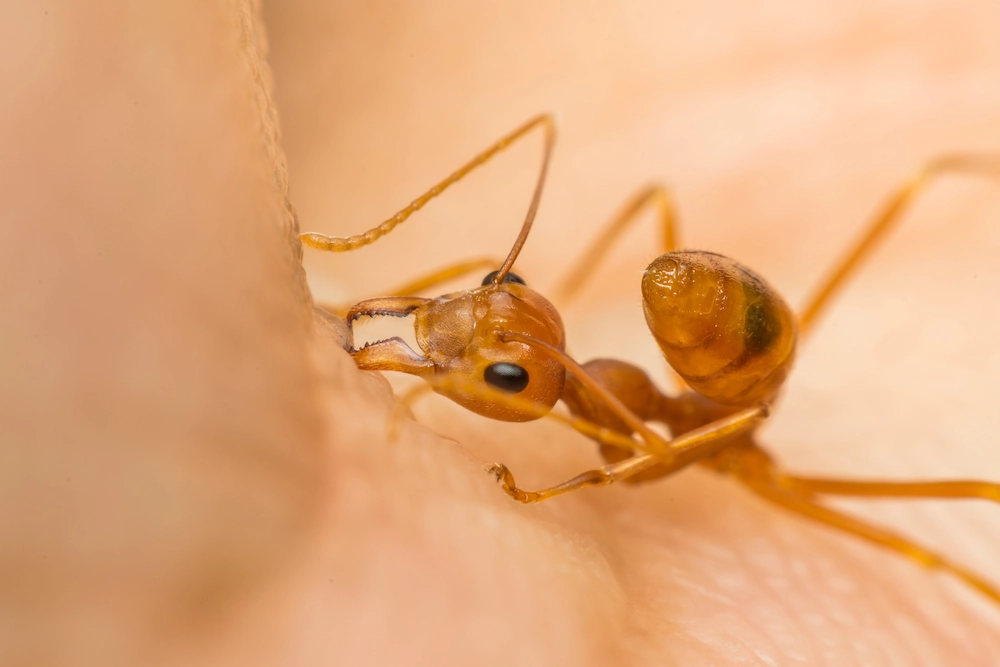
When comparing fire ants vs odorous house ants, fire ants are clearly the more dangerous species. Their stings can cause pain, allergic reactions, and discomfort, especially for children and pets.
Odorous house ants do not pose a direct physical threat, but they can contaminate food and become a persistent nuisance. Large infestations can be frustrating because of how quickly they spread and how difficult they are to eliminate completely.
Both types of ants require attention, but the level of urgency may differ depending on the situation.
Prevention and Control Strategies

Preventing infestations starts with understanding the habits of each species. Since both ants are attracted to food and moisture, eliminating these attractants is key.
Here are a few effective prevention tips:
- Keep food sealed and clean up crumbs or spills quickly
- Fix leaks and reduce moisture in kitchens and bathrooms
- Seal cracks and entry points around doors and windows
- Maintain your yard and remove debris near the home
For fire ants, outdoor treatments targeting the mound are often necessary. For odorous house ants, indoor baiting and eliminating trails are more effective.
For long term protection, professional pest control services can assess the situation and apply treatments tailored to the specific species. Learn more about effective solutions here.
Final Thoughts
Understanding fire ants vs odorous house ants helps homeowners respond more effectively to infestations. While both species may appear similar at first glance, their behavior, risks, and nesting habits are very different.
By learning the difference between fire ants and house ants and improving your ability in identifying ant species, you can take the right steps to protect your home. Whether dealing with aggressive outdoor colonies or persistent indoor trails, early action is the key to keeping ants under control. Contact us for a free quote on our ant control services today!
Citations
Common ant species. (n.d.). Terro. Retrieved April 20, 2026, from https://www.terro.com/ants-common-species?srsltid=AfmBOop7UkNFj8rTP8SUA0jIhTKuH6LyY2NRt36il2f7i9E5E-tnE8XD