
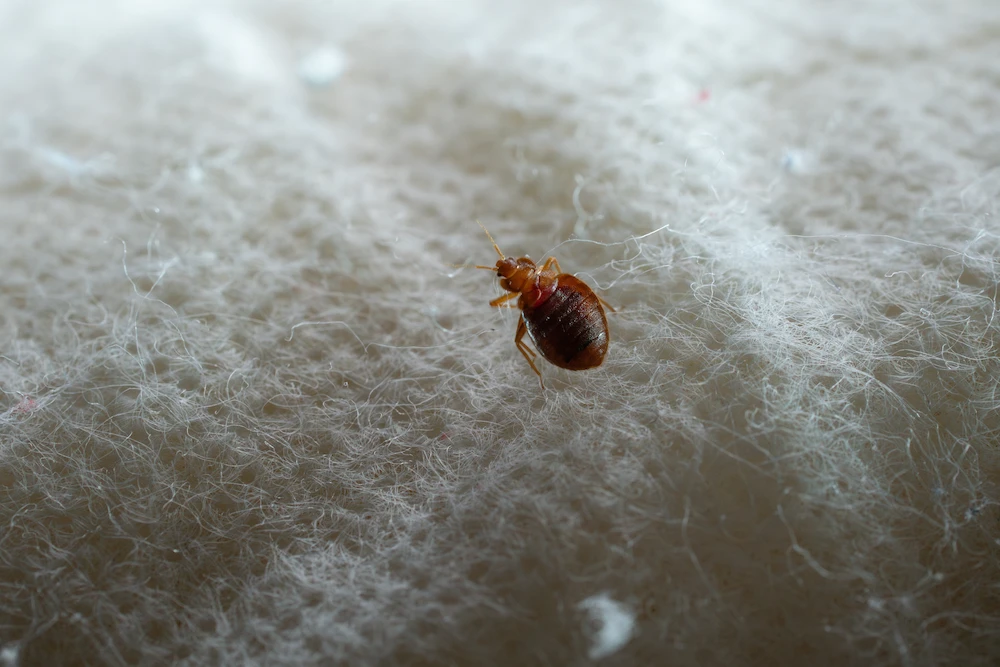
Summary: A homeowner guide explaining how to identify bed bug infestations by looking for blood spots, shed skins, eggs, fecal marks, live bugs, and other common warning signs.
Bed bugs are experts at staying hidden. These small pests usually shelter in cracks, seams, furniture, and other protected spaces during the day, then emerge to feed while people are resting. Because they can remain out of sight, an infestation may develop before homeowners realize anything is wrong.
Learning how to identify bed bug infestations means looking beyond the bugs themselves. Blood spots, shed skins, eggs, dark fecal marks, and unexplained bites can all provide clues. Knowing where and what to inspect can help you recognize a potential problem earlier.
What Do Bed Bugs Look Like?
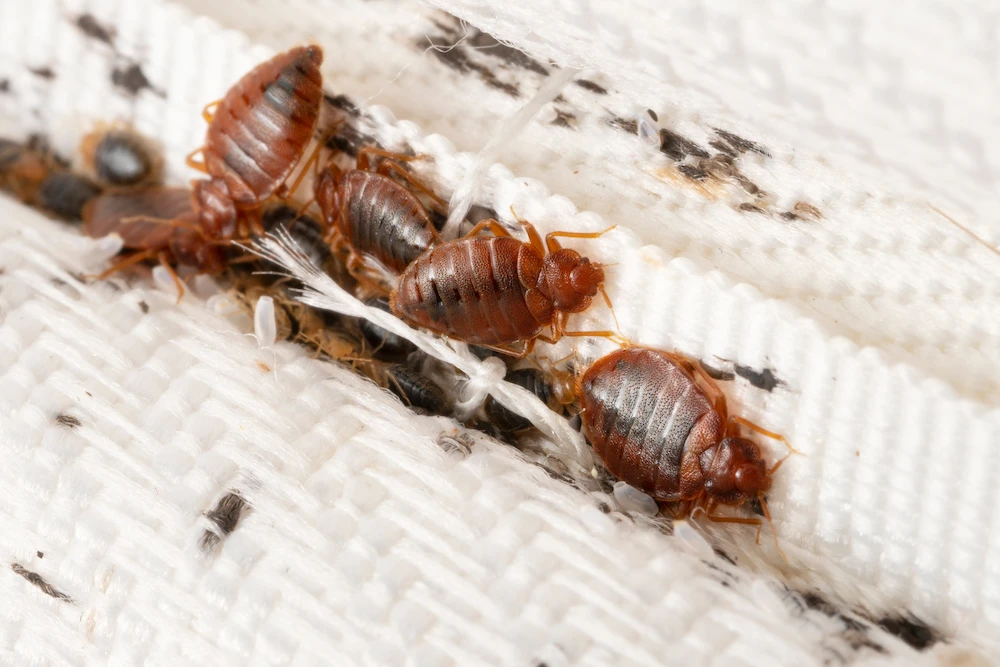
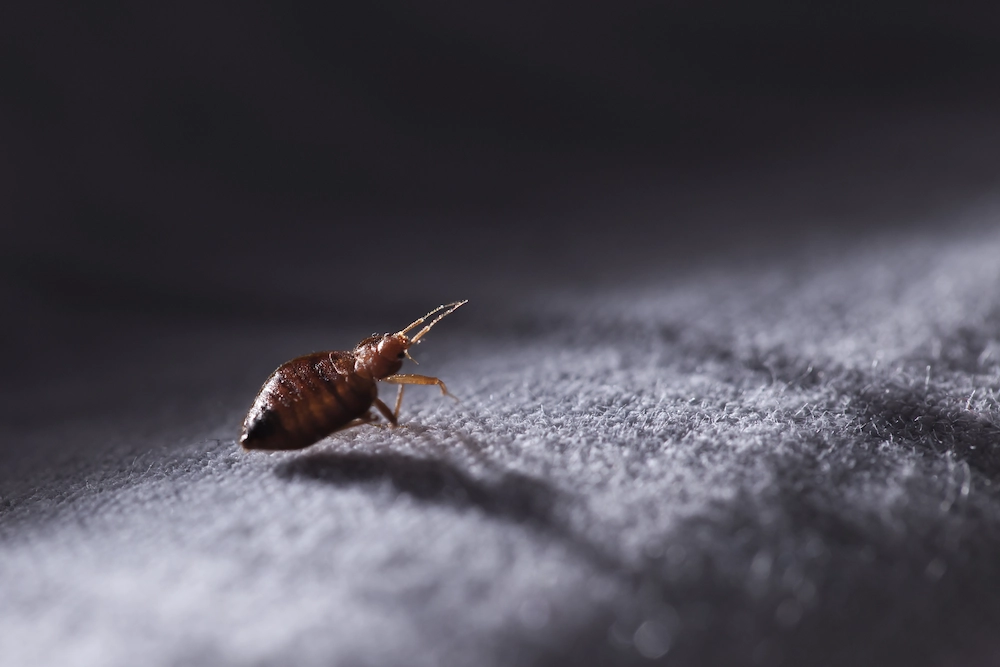
Adult bed bugs are small, flat insects with oval-shaped bodies. They are typically reddish brown, although their appearance changes after feeding. A recently fed bed bug becomes more swollen and may look darker or redder.
Young bed bugs, called nymphs, are smaller and lighter in color. Their pale appearance can make them particularly difficult to see against mattresses, bedding, and light-colored furniture.
Where Bed Bugs Usually Hide
Despite their name, bed bugs are not limited to beds. They prefer narrow, protected spaces close to places where people spend extended periods resting.
They may hide in:
- Mattress seams and box springs
- Bed frames and headboards
- Upholstered furniture and cushions
- Cracks, baseboards, and nearby furniture
- Crevices around sleeping areas
As an infestation grows, bed bugs may spread farther from the original hiding area.
Blood Spots on Sheets and Bedding
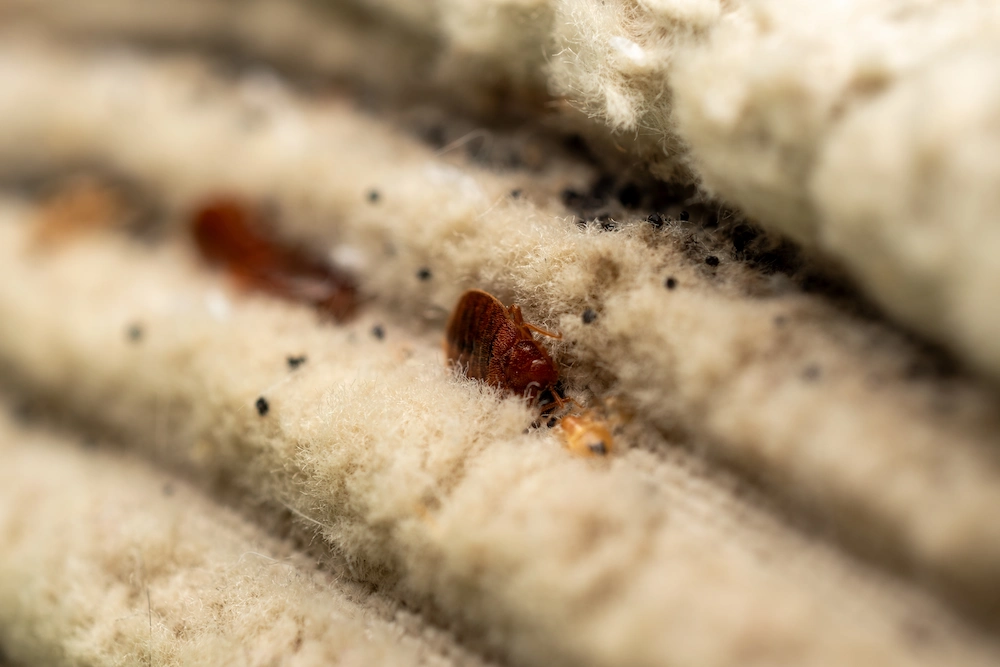
Small blood stains on sheets, pillowcases, or mattresses can be one possible sign of bed bugs. These marks may occur when a recently fed bug is accidentally crushed or when a bite leaves a small amount of blood on bedding.
Blood spots alone do not confirm an infestation. Scratches, cuts, and other causes can leave similar stains. However, repeated unexplained spots combined with additional bed bug evidence deserve closer attention.
Look for Multiple Signs Together
Bed bugs can be difficult to diagnose from a single clue. Instead of relying only on blood spots or bites, inspect the surrounding area for physical evidence such as insects, eggs, shed skins, or fecal spotting.
Finding several signs in the same area provides a stronger indication that bed bugs may be present.
Bed Bug Shells and Shed Skins
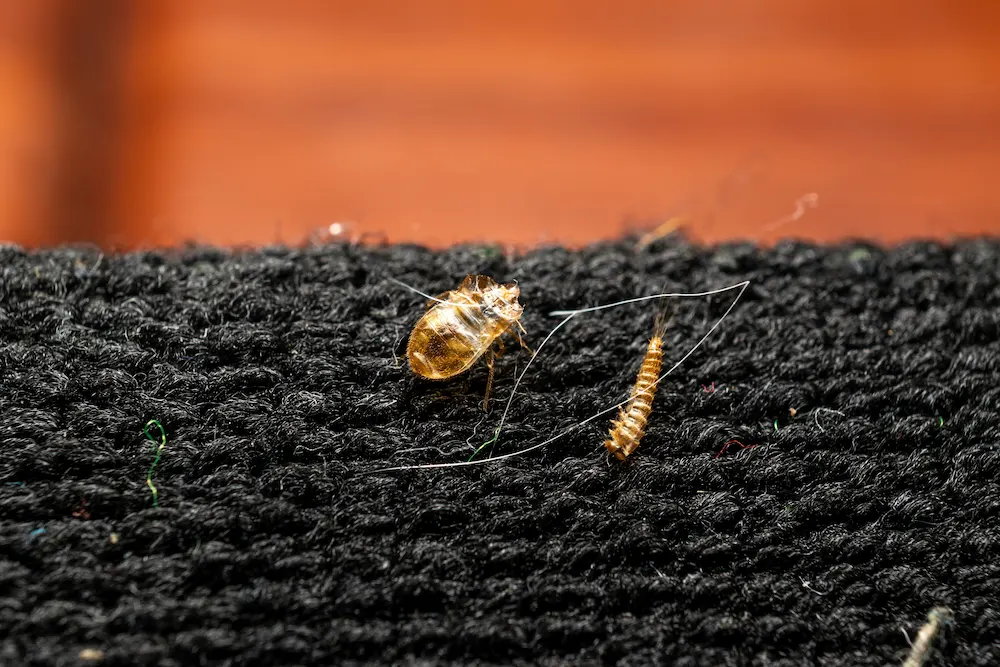
As young bed bugs grow, they molt and leave their old exoskeletons behind. These bed bug shells can look like pale or translucent versions of the insect itself.
Shed skins often accumulate close to hiding and resting areas. Mattress seams, bed frame joints, headboards, and furniture crevices are good places to inspect.
Finding multiple shed skins may indicate that bed bugs have been present long enough to grow through different developmental stages.
What Do Bed Bug Eggs Look Like?
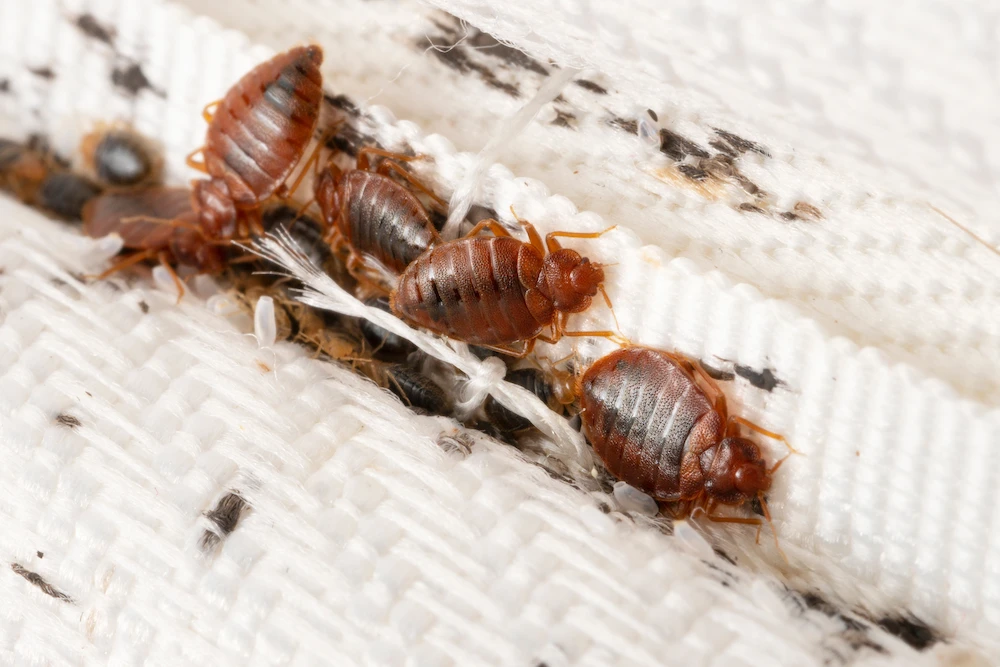
Bed bug eggs are tiny, pale, and difficult to spot without careful inspection. Females place eggs in protected cracks and crevices where they are less likely to be disturbed.
Rather than expecting to find eggs sitting openly on a mattress, check seams, joints, screw holes, furniture cracks, and other sheltered spaces near sleeping areas.
Eggs Can Make DIY Control Difficult
An infestation does not consist only of the adult bed bugs you can see. Eggs, nymphs, and adults may all be present at the same time, and many can remain hidden deep within furniture or structural cracks.
This is one reason simply removing or killing visible bugs may not solve an established infestation.
Dark Spots and Bed Bug Droppings
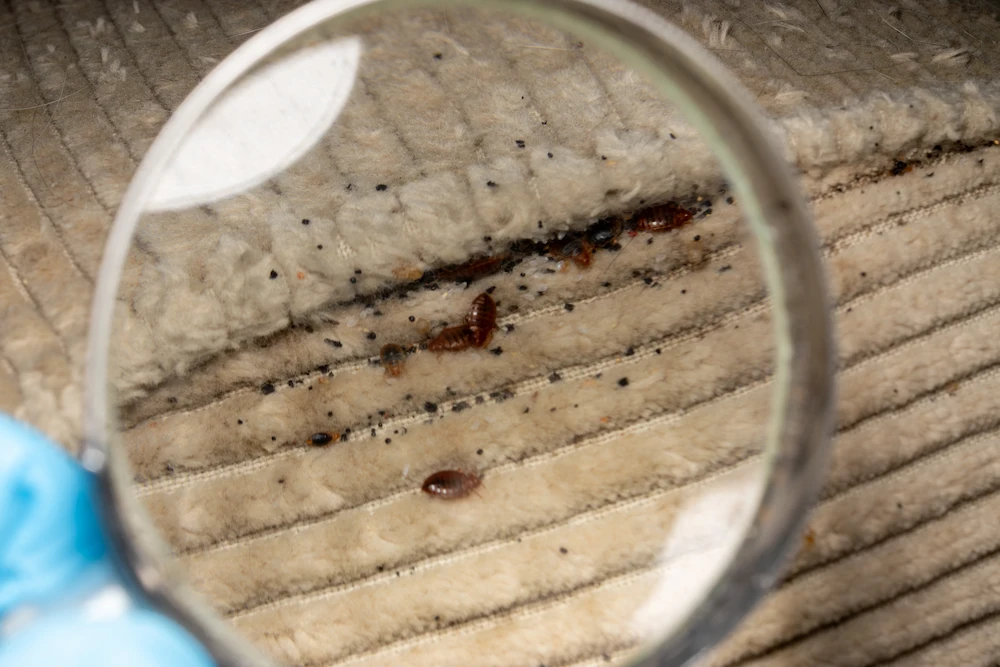
Another important clue is dark spotting around areas where bed bugs hide. Bed bug fecal material can leave small dark brown or black marks on mattresses, sheets, bed frames, and nearby surfaces.
These spots may appear in clusters around seams and crevices where the insects spend time between feedings. Unlike a loose piece of dirt, fecal spotting may soak into fabric or leave a stain.
When dark spotting appears alongside shells, eggs, or live bugs, an infestation becomes much more likely.
Are Bites a Sign of Bed Bugs?
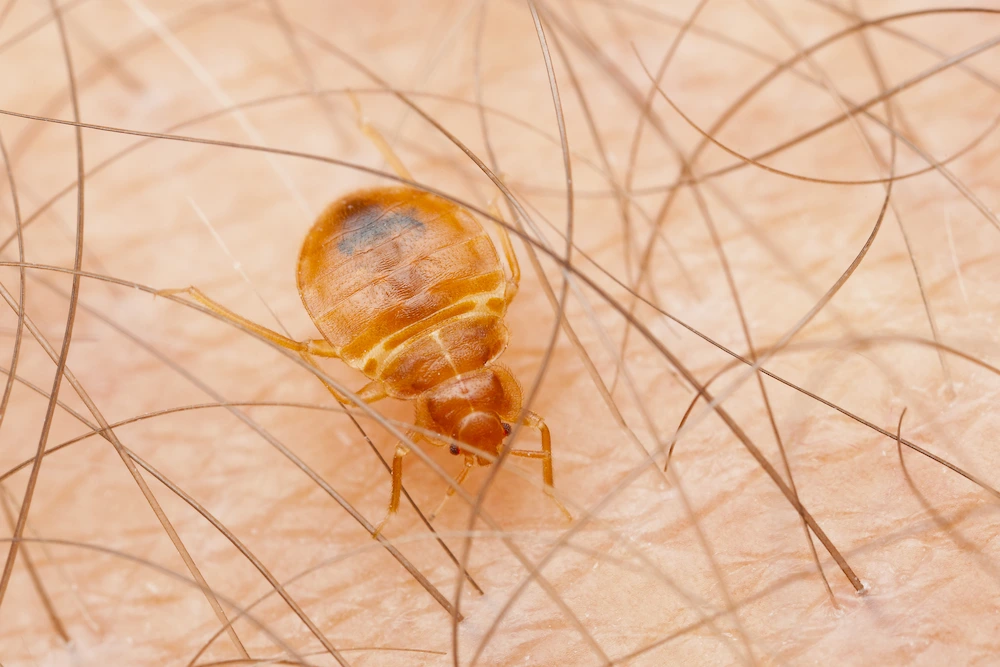
Unexplained bites can make people suspicious of bed bugs, particularly when they appear after sleeping. Bed bug bites may cause itchy, red bumps, but reactions vary considerably from person to person.
Some people develop noticeable skin reactions, while others may show little or no visible response. Bites can also resemble reactions caused by mosquitoes, fleas, or other sources.
For that reason, bites by themselves are not a reliable way to identify bed bugs. Physical evidence around the sleeping area provides a much stronger basis for identification.
How to Inspect for Bed Bugs

If you suspect an infestation, start where people regularly sleep or rest. Use a flashlight and carefully examine mattress seams, labels, folds, box springs, headboards, and bed frame joints.
Move slowly and pay attention to small cracks rather than only exposed surfaces. Bed bugs prefer tight hiding places, so a quick glance across the mattress can easily miss them.
During your inspection, look for:
- Live reddish-brown bed bugs
- Tiny pale eggs
- Translucent shed skins
- Dark fecal spots
- Unexplained blood stains on bedding
Avoid immediately moving potentially infested furniture or belongings into other rooms. Doing so could potentially spread bed bugs to additional areas of the home.
What to Do If You Find Signs of Bed Bugs
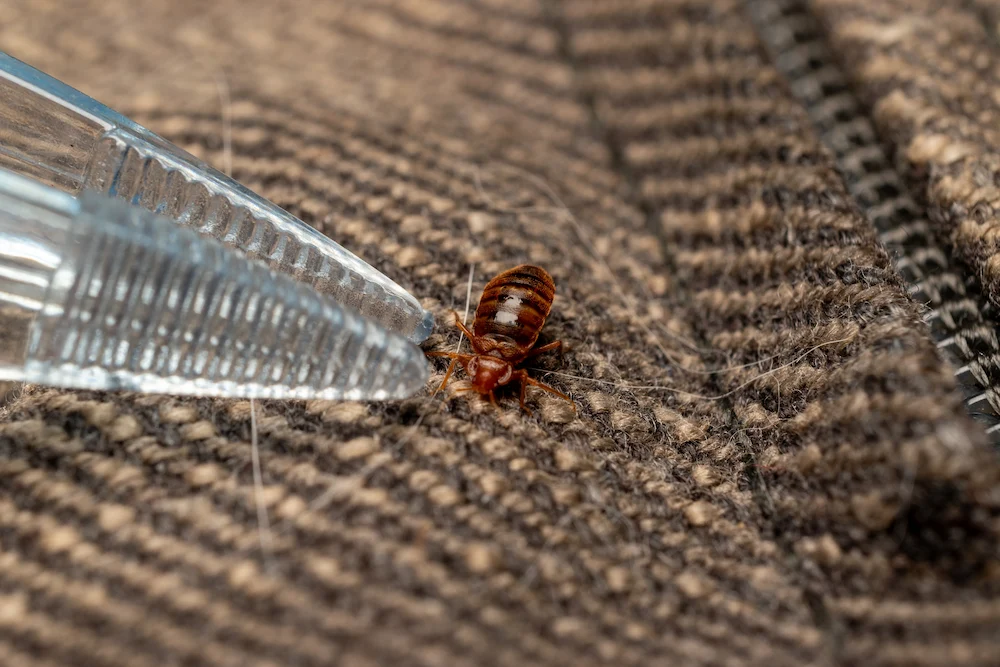
Finding suspicious evidence does not mean you need to throw away your mattress or furniture. Bed bug control depends on correctly identifying the pest and determining how widely it has spread.
Because these insects can hide in extremely small spaces, established infestations can be challenging to address with surface-level treatments alone. Professional inspection can help confirm whether bed bugs are present and determine the appropriate treatment strategy.
If you suspect an infestation, taking action early can help prevent bed bugs from spreading into additional rooms or belongings.
Final Thoughts
Learning how to identify bed bug infestations is about recognizing a collection of clues rather than relying on one symptom. Blood spots, shed shells, eggs, fecal marks, live insects, and unexplained bites can all point toward possible activity.
Pay particular attention to mattresses, bed frames, headboards, and nearby furniture. If you find multiple signs or continue noticing suspicious activity, professional identification can provide a clearer answer and help you determine what to do next. For a free quote on our targeted bed bug services, contact us today!
Citations
What are signs of a bed bug infestation?. (n.d.). Orkin. Retrieved August 10, 2026, from https://www.orkin.com/pests/bed-bugs/what-are-signs-of-a-bed-bug-infestation