
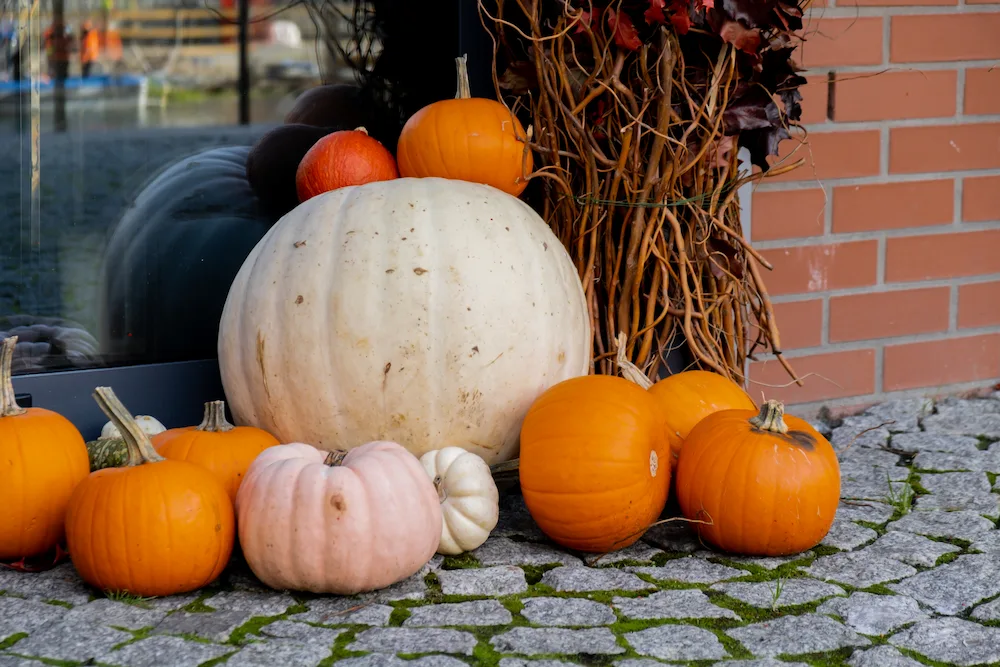
Summary: Warm, humid Texas autumns make pumpkins rot quickly, and fall displays near the door give ants, roaches, spiders, and rodents food and shelter. This guide covers how to protect pumpkins from pests, as well as set up, check, clean, and store fall decor so it stays pest-free through Halloween.
A porch full of pumpkins, mums, and a hay bale or two looks great for about a week. Then the warm afternoons around San Antonio start working on it, and the display that looked so crisp on day one is suddenly hosting fruit flies, an ant trail, and a spider that has claimed the scarecrow.
This guide explains why fall decor attracts pests in South Texas, how to set up a display that holds up longer, what to look for during a quick daily check, and how to pack everything away so you aren’t unpacking bugs next year. A little attention now can help protect pumpkins from pests until Halloween actually arrives.
Why Texas Fall Decor Turns Into a Pest Magnet
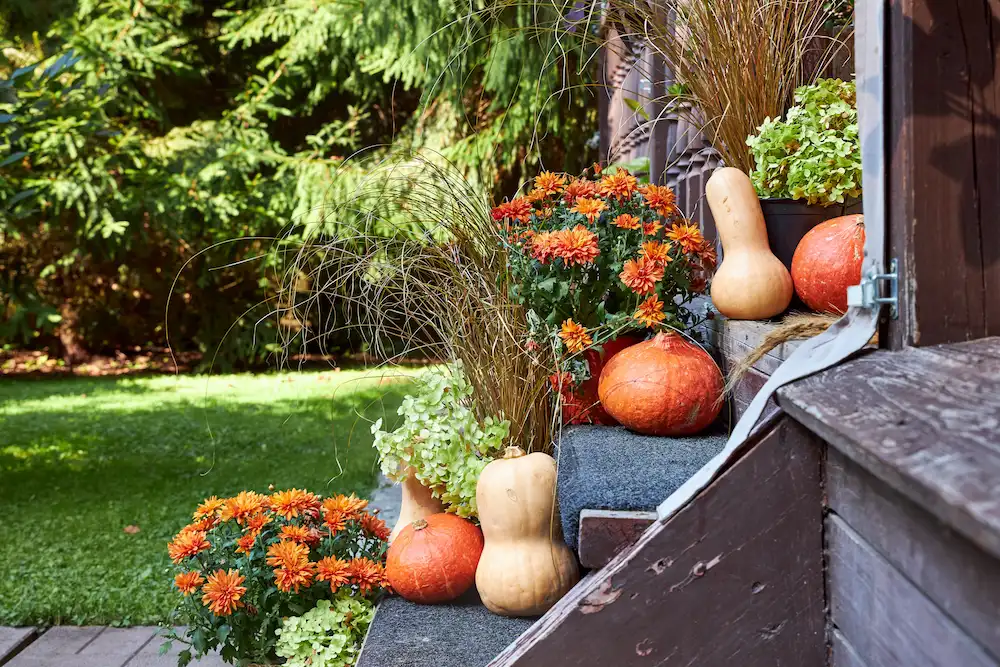
Pumpkins are produce, and produce breaks down. In cooler states a whole pumpkin can sit on the steps for weeks, but October around San Antonio, Schertz, and New Braunfels often brings 80-degree afternoons and humid mornings. Heat and moisture speed up rot, and a soft, leaking pumpkin gives off the sweet, fermenting smell that fruit flies, ants, and roaches follow.
Carving makes all of this happen faster. Once the shell is open, the cut edges dry out, the inside starts to mold, and in warm weather a jack-o’-lantern can begin to sag within a few days. Squirrels and rats may also chew into pumpkins and gourds for the seeds, and every bite mark is another opening for decay.
The rest of the display matters too. Hay bales, corn stalks, and stacked gourds create shaded, sheltered pockets right next to the house, which is exactly the kind of cover crickets, spiders, and roaches look for. Out in Hill Country towns like Helotes and Boerne, those same pockets can hide scorpions, so lift anything that has been sitting on the porch or the ground with gloves on and a little caution.
Potted mums add one more layer. They need steady watering, and the damp soil and saucers underneath stay wet long after sundown, which suits roaches, millipedes, and pill bugs just fine. Watering in the morning gives the pots time to dry out, and emptying saucers that collect runoff takes away a ready water source.
Set Up a Display That Holds Up Longer
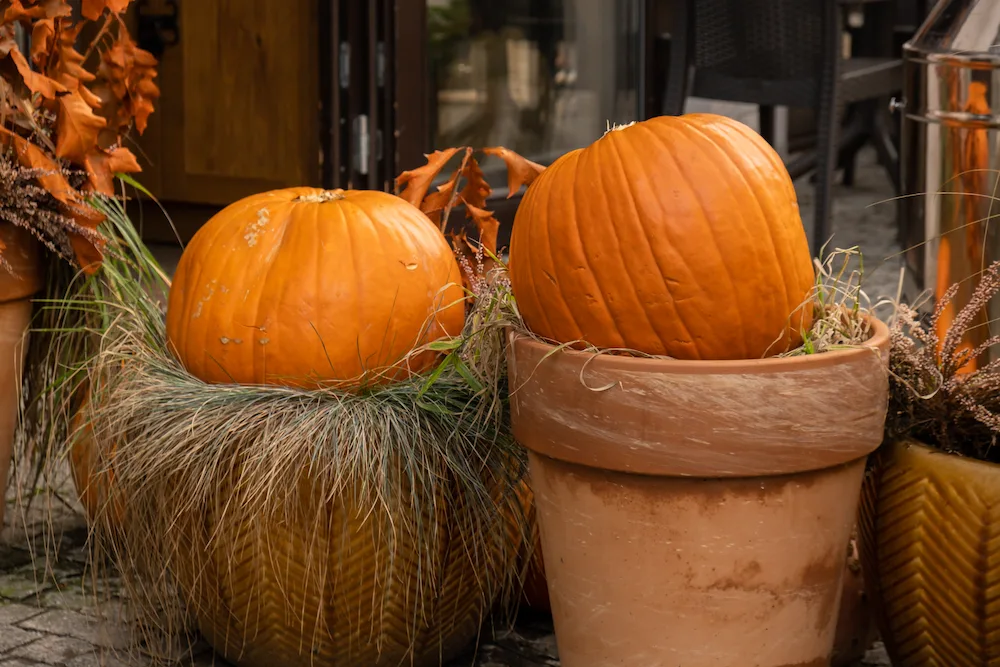
Placement does more than any trick or spray. Keep pumpkins, gourds, and hay a few feet from the front door and the foundation when you can, so whatever they attract isn’t parked right at an entry point. Setting pumpkins on a paver, an upside-down planter saucer, or a small wooden crate keeps the bottoms off damp concrete and soil, which is usually where rot starts. Hay bales do better on a pallet or a few bricks, too, since bales sitting on bare soil soak up moisture from below.
A few habits at setup can help protect pumpkins from pests for longer:
- Wash whole pumpkins with mild soap and water, then dry them completely before they go out.
- Hold off on carving until a few days before Halloween, since an uncarved pumpkin lasts much longer.
- Carry pumpkins from the bottom, not the stem, because a snapped stem leaves an open wound.
- Pick a spot with afternoon shade instead of full western sun.
- Use artificial pumpkins for the spots right beside the door.
Lighting deserves a thought as well. Porch lights pull in moths and other night-flying insects, and those insects bring spiders that will happily string a web across your wreath or between the corn stalks. Yellow bug bulbs are less attractive to many insects than bright white ones, and turning the light off when nobody needs it may cut down on the nightly buffet.
Stretchy fake cobwebs are a Halloween classic, but they make it hard to tell decoration from the real thing. If you use them, keep them to one area. That way a fresh web anywhere else on the porch stands out right away.
Bringing a few pieces inside for the table? Look them over on the porch first. Gourds, mini pumpkins, and dried corn from a patch or farm stand can carry earwigs, ants, or small beetles tucked into crevices, and an indoor centerpiece that starts to soften will draw fruit flies to the kitchen within a day or two.
A Quick Daily Check Through Halloween
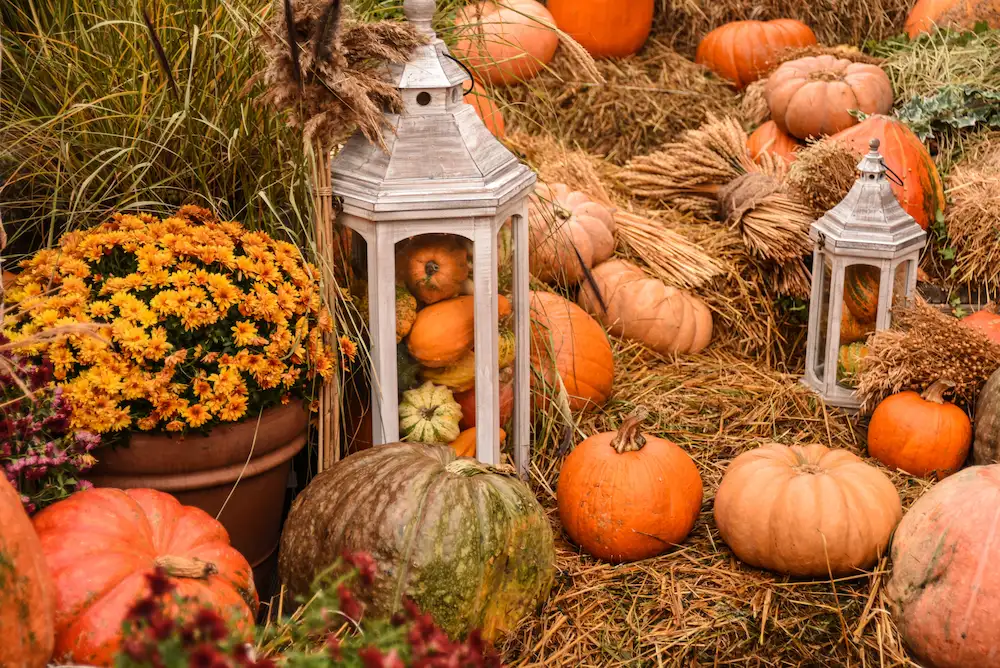
Pests move fast when the weather stays warm, so a short look each day catches trouble while it’s still small. This one habit does more to protect pumpkins from pests than anything you can buy. It takes about as long as walking out to get the mail.
What to Look For on Pumpkins and Gourds
Press gently around the base and near the stem. Soft spots, white or gray mold, dark wet patches, or a sour smell mean that pumpkin is on its way out, and at that stage it is feeding pests more than it is decorating. Small flies hovering around a carved face, ants running up the step, or fresh chew marks on the rim are your cue to remove it now instead of hoping it lasts another week.
Clear Cobwebs as Soon as They Show Up
Knock down real webs with a broom or long duster every day or two, paying attention to porch ceiling corners, light fixtures, and the gaps inside stacked decor. Regular clearing won’t remove every spider, but it can make the spot less appealing and keeps egg sacs from building up where your kids reach for candy.
It’s the same idea behind the cobweb and wasp nest removal that Romney technicians handle within reach as part of regular home pest control service, alongside checks of the exterior, the yard, and entry points like doors and windows. Between visits, your daily sweep keeps the porch from getting ahead of you.
Get Rid of Spent Decor the Right Way
When a pumpkin goes soft, bag it and drop it in a trash can with a tight lid, or carry it to a compost pile well away from the house. A collapsing pumpkin left in a flower bed by the foundation gives ants and roaches a feeding station right next to your walls. Rinse the spot where it sat so the sticky residue doesn’t keep calling them back. Tossing old pumpkins into a back corner of the yard tends to invite squirrels and rats to stick around, so skip that shortcut.
Pack it Away Clean
Once the season wraps up, inspect wreaths, fabric pieces, and faux pumpkins before they go into storage. Shake them out outside, wipe them down, and pack them in plastic bins with snug lids rather than cardboard boxes, which give roaches and silverfish both cover and something to chew. Garages and attics in Cibolo and Schertz stay warm well into fall, and next year, wear gloves when you pull those bins down, since black widows like quiet, undisturbed storage areas.
Keep the Porch Festive Around San Antonio
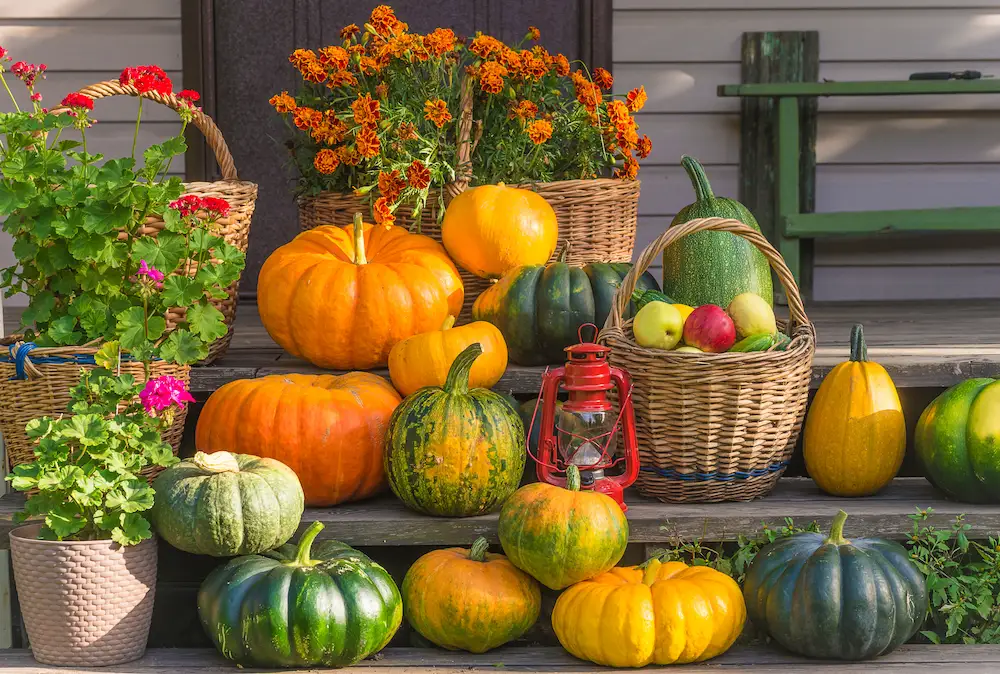
A good-looking fall display mostly comes down to timing and attention. Keep pumpkins off damp surfaces and away from the door, carve late, check everything daily, knock down webs as they appear, and toss anything soft before it becomes a pest buffet. Sealed bins at the end of the season keep the problem from following you into next year.
If ants, spiders, or roaches have already made the jump from the porch to the kitchen, it may be time for a closer look. Homeowners near the Hill Country can reach out to the Romney team offering pest control in Helotes for an inspection of the exterior and entry points, with webs and nests within reach cleared along the way, so the house is in better shape before the holiday guests arrive.
Contact us for a free quote on our year-round pest control services today!
Citations
Checking fall decorations for pests. (2025, October 9). Terminix. Retrieved October 8, 2026, from https://www.terminix.com/blog/home-garden/pests-hiding-fall-decor/