
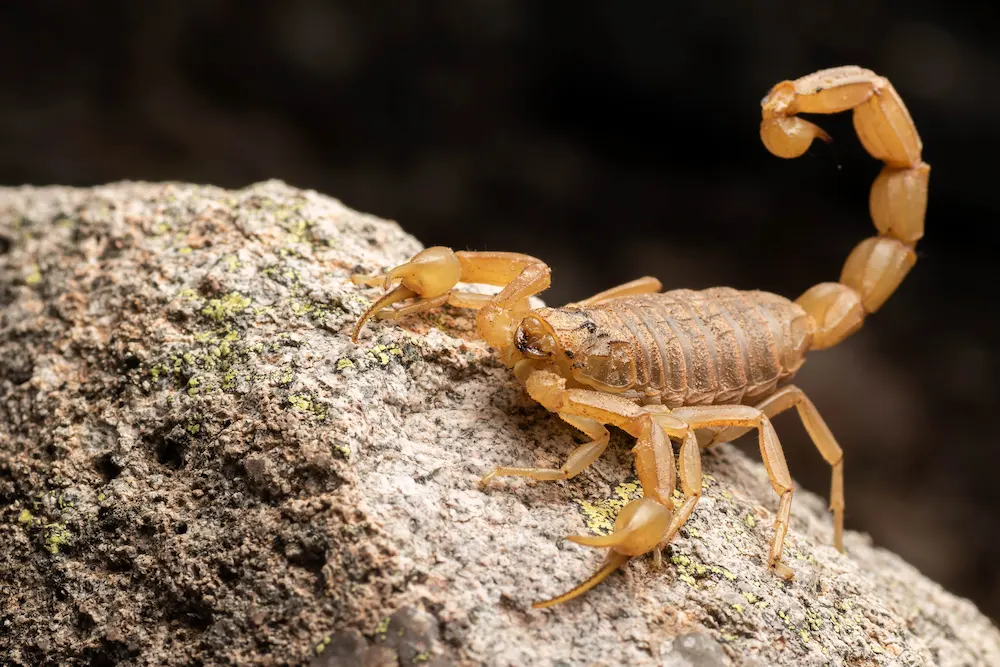
Summary: Cooler fall nights make scorpions more active hunters, and cluttered yards give them plenty of cover close to the house. This guide explains why scorpions love your yard in the fall and how to make your property less appealing to them.
Scorpions are often thought of as a peak summer problem, but homeowners around San Antonio and the surrounding Hill Country frequently notice a fresh wave of activity once fall arrives. Cooler nights change how scorpions move and hunt, and a yard that offered plenty of scattered cover all summer suddenly looks even more appealing as temperatures start to drop.
Here is why scorpions love your yard in the fall, and what tends to draw them closer to the house as the season changes.
This shift catches a lot of homeowners off guard, since most people associate scorpions with the hottest stretch of summer and assume activity naturally tapers off once temperatures start to cool. In practice, fall is often when a yard sees some of its most consistent scorpion activity of the entire year, right as many households start to let their guard down.
Cooler Nights Mean More Active Hunting
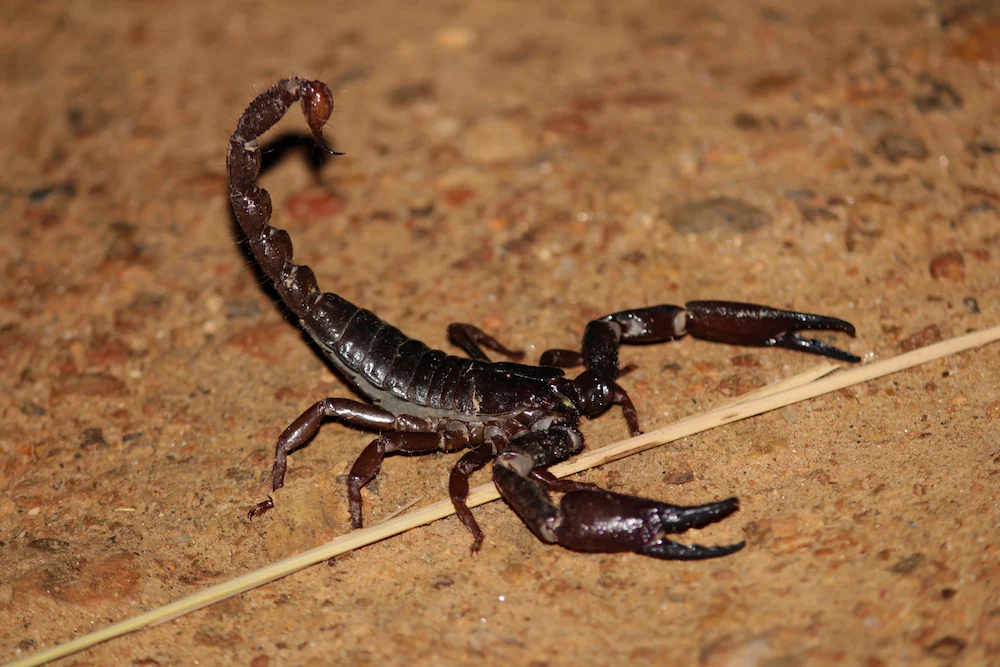
Scorpions are nocturnal and most active when nighttime temperatures sit in a comfortable range rather than the extreme heat of peak summer. As fall nights cool down without dropping too far, scorpions often become more active hunters, covering more ground in search of the insects and spiders that make up their diet. That increased movement is a big part of why homeowners tend to spot more scorpions in the fall than they expect, even in yards that seemed quiet all summer.
During the hottest stretch of summer, many scorpions retreat deeper underground or further under cover during the day and limit their above ground activity to only the coolest overnight hours. Fall’s more moderate nighttime temperatures widen that window considerably, giving scorpions more total hours of comfortable hunting conditions across a given week than they had through most of July and August.
As outdoor conditions shift, many of the insects and spiders scorpions rely on for food start moving toward shelter, often gathering closer to structures where warmth and moisture are more consistent. Scorpions follow that same prey, which naturally brings them nearer to homes, patios, and garages than they were during the height of summer, often without homeowners noticing the shift happening gradually.
Cluttered Yards Are the Biggest Draw
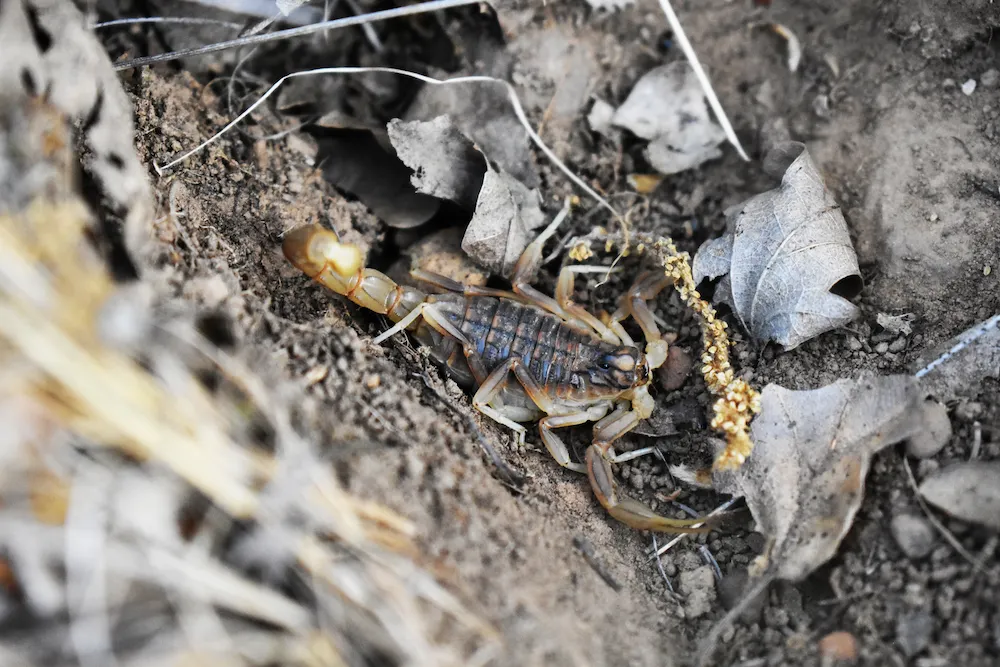
Scorpions rely heavily on cover during the day, retreating under rocks, wood, and debris to stay hidden and cool until nightfall. A cluttered yard with plenty of scattered material gives scorpions far more places to hide than a yard that is kept clear and well maintained, which is one of the most direct factors homeowners can control themselves.
- Under woodpiles, rocks, and landscaping timbers.
- Inside cracks in patios, walkways, and foundations.
- Beneath debris piles or unused outdoor equipment.
- Inside dark garages and storage sheds.
Checking these spots with a flashlight in the evening, rather than during the day, gives a more accurate picture of actual activity, since scorpions are far more likely to be out and visible after dark than tucked completely out of sight during daylight hours, when most yard inspections happen instead.
Removing unnecessary debris, keeping woodpiles elevated and away from the house, and trimming back dense ground cover all reduce the daytime hiding spots scorpions depend on, which matters most in yards with a lot of natural rock landscaping common around San Antonio properties and the surrounding Hill Country.
Scorpions are also drawn to structures for the same cover a natural rock formation would provide, which means detached sheds, unused doghouses, and stacked patio furniture all function as scorpion habitat just as effectively as a woodpile does. Checking underneath and behind these items periodically, not just the more obvious landscaping features, rounds out a thorough yard check.
Pool areas deserve a specific mention as well, since equipment closets, pump housings, and stacked pool furniture combine dark, sheltered spaces with a reliable source of nearby insects. A backyard with a pool often has more of these small, overlooked hiding spots than a yard without one, particularly once furniture and toys start getting stored away for the season.
Fall Rain and Sealing the Path Indoors
Parts of Texas see a secondary rainy period in the fall, and the moisture that follows can drive both scorpions and their prey toward higher, drier ground, which sometimes means your yard or the foundation of your house. Standing water or persistently damp mulch beds near the house can make a yard even more attractive during this period, especially compared to a yard that drains well and dries out quickly after rain.
Even a modest amount of fall rain can noticeably increase insect activity in a yard within a day or two, and scorpions respond to that increase almost as quickly. A yard that seemed quiet before a rain event can show a real uptick in scorpion sightings shortly after, simply because their food supply just became more abundant and active almost overnight.
Scorpions can fit through remarkably small gaps, which means a yard with a growing scorpion population often leads to indoor sightings if entry points are not addressed. Checking weatherstripping, sealing gaps around utility lines, and keeping vegetation trimmed away from exterior walls all reduce the odds of a scorpion making the jump from yard to house, particularly along the side of the home closest to the most cluttered part of the yard.
Keep Scorpions Where They Belong: Outside
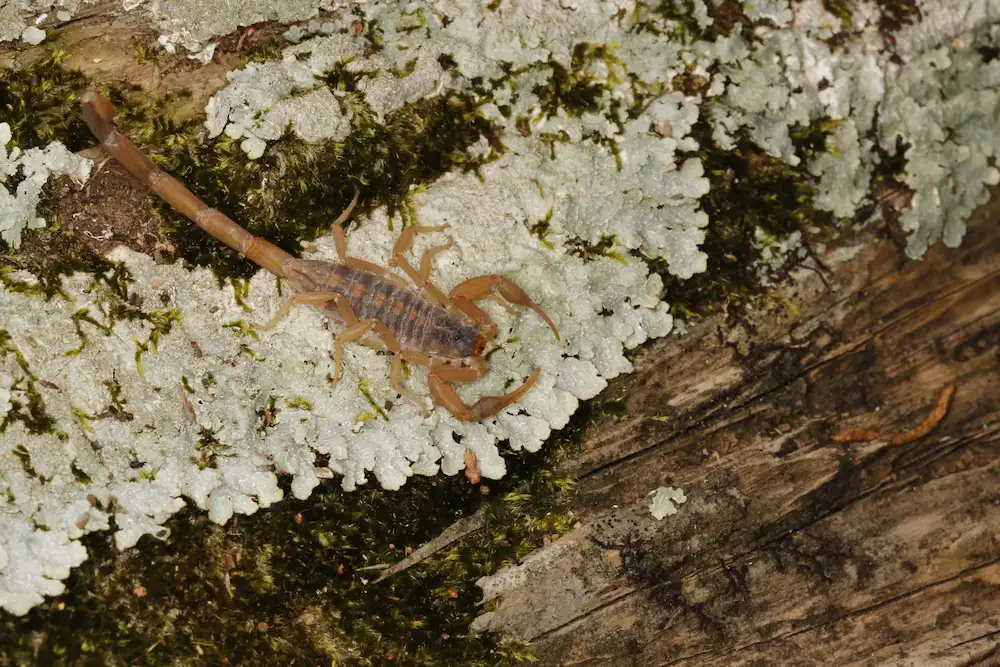
A yard that stays cluttered through the fall is doing a lot of the work for scorpions, giving them cover, prey, and a short trip to the house all in one place. Clearing debris and sealing entry points addresses both halves of the problem at once.
Fall is also a reasonable time to reassess landscaping choices made earlier in the year, since rock beds, wood borders, and dense ground cover that looked fine in spring may have quietly turned into ideal scorpion habitat by the time cooler weather rolls around and hunting activity picks back up.
If scorpion activity around your San Antonio area property has picked up this fall, find your local Romney Pest Control team to address both the yard conditions drawing them in and any entry points into the home itself. For ongoing coverage, our home pest control services keep scorpions and other seasonal pests from becoming a recurring problem.
Scorpions Love Your Yard in the Fall, But Romney is Ready
Addressing a fall scorpion increase now, while the population is still concentrated in the yard, tends to be far more manageable than waiting until sightings have already moved indoors. A yard focused approach is usually enough to bring activity back down to the occasional sighting most Texas households expect this time of year, without needing an ongoing indoor treatment on top of it.
For a free quote on our targeted scorpion services, contact us today!
Citations
Creepy creatures: What you need to know about scorpions. (2021, September 30). Plunkett’s. Retrieved September 21, 2026, from https://plunketts.net/blog/what-you-need-to-know-about-scorpions