
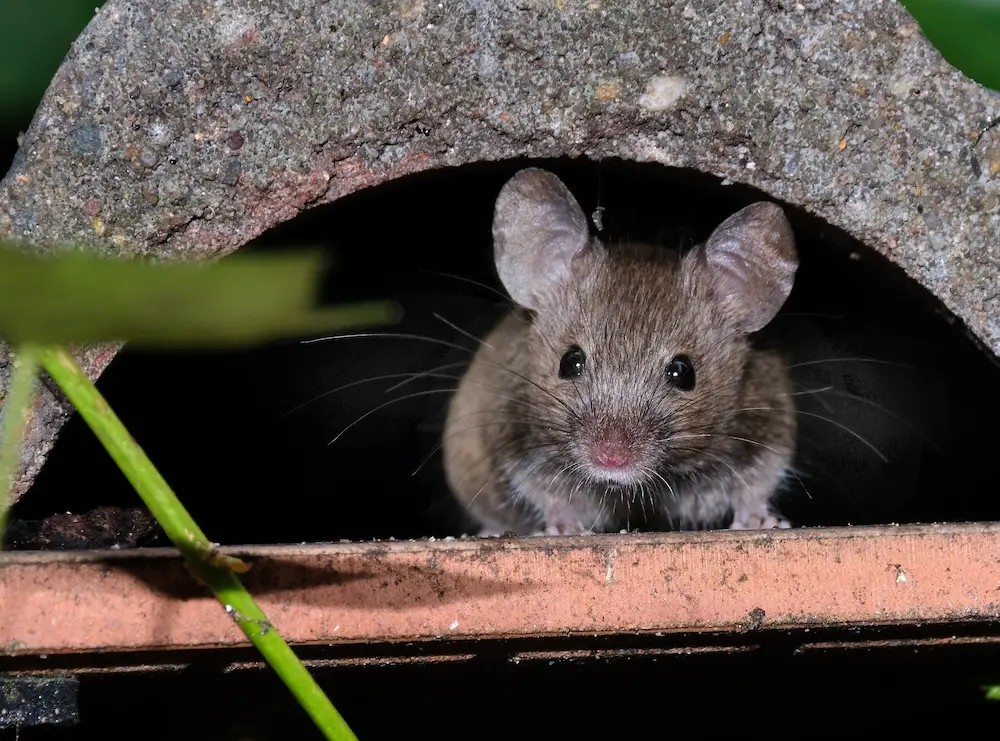
Summary: Rats and mice become more active around Texas homes as temperatures drop because cold fronts and scarce outdoor food push them toward warm shelter. This guide explains which rodents move in, the entry points they use in DFW homes, and what homeowners can do before winter.
The first real norther of the season blows through Dallas-Fort Worth, the temperature falls hard by evening, and a few nights later something starts scratching above the bedroom ceiling. That timing is no coincidence. Rodents in cold weather go looking for warm, protected shelter, and in North Texas the closest warm spot is usually your attic, garage, or wall voids.
Texas winters are milder than most, but they swing fast, and those swings are what push rats and mice toward houses. This guide explains why rodent activity picks up around homes in late fall, which rodents are behind it, the spots they target first, and what you can do now to keep them outside before the coldest weeks arrive.
Cold Fronts, Not Snow, Push Texas Rodents Indoors
People up north picture rodents moving in once snow covers the ground. Around Plano, Frisco, and Fort Worth it works differently. A sunny 75-degree afternoon can give way to a cold, windy night once a strong front arrives, and those sudden drops are often what send rats and mice looking for something better than a fence line or a woodpile.
Rats and mice don’t hibernate. They stay active all winter, which means they need to eat more and stay warm at the same time. A small mouse loses body heat quickly, so a sheltered spot next to a water heater or under attic insulation is worth a lot to it. Once a rodent finds warmth, food, and water in one place, it has little reason to leave.
Outdoor Food Gets Harder to Find
Late fall also changes the menu outside. Gardens are done, many insects are gone or hiding, and the pecans and acorns that dropped in October get picked over by squirrels, birds, and other wildlife. Meanwhile, the house offers pet food in the garage, birdseed in a bag, and pantry crumbs, all available every single day.
That combination of colder nights and thinner pickings outdoors is why so many homeowners first notice rodents in late fall. The animals didn’t suddenly appear. Many were already living along the property in hedges, sheds, and brush piles, and the weather simply gave them a reason to move a few feet closer.
Shelter Means a Place to Breed
A warm attic is more than a place to wait out the cold. Mice and rats that settle into a protected spot can keep breeding through the winter instead of slowing down outdoors. That’s why a problem that starts with a few sounds in November can feel much bigger by February if nobody steps in.
The Rodents Most Likely to Move In
Not every rodent behaves the same way, and knowing which one you’re dealing with tells you where to look. Romney’s plans cover both rats and mice, and three species account for most of what North Texas homeowners run into.
Roof Rats Head Up
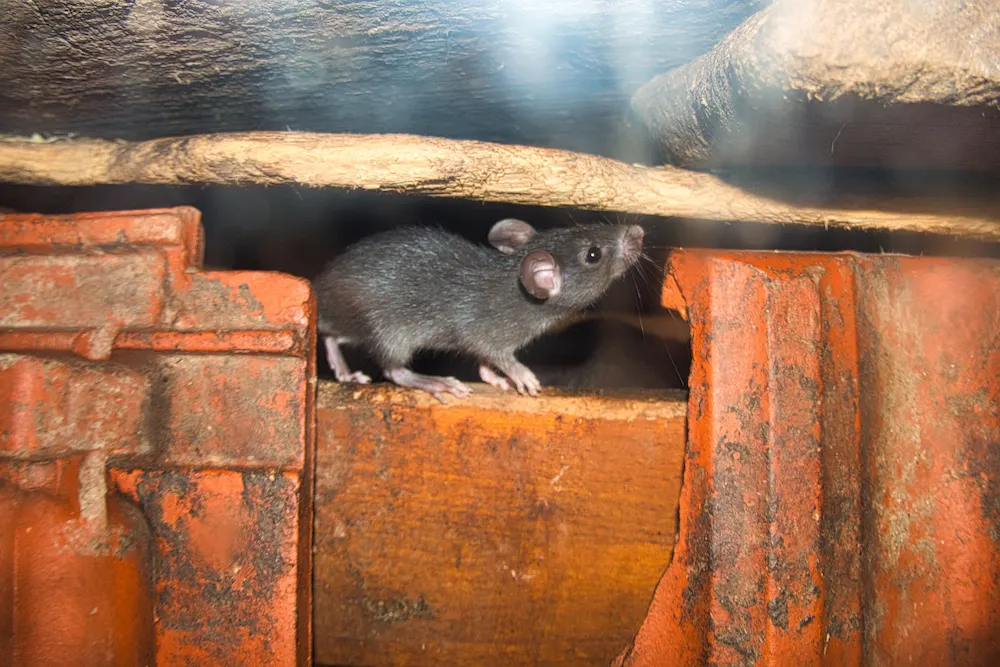
Roof rats are slender, agile climbers with tails longer than their bodies. They travel along fence tops, tree limbs, and utility lines, then slip into the house through gaps at the roofline, soffits, and vents. Once inside, they usually stay up high, so the classic sign is scurrying or scratching in the attic after dark.
Overhanging branches are a highway for them. A live oak or pecan limb resting on the roof in Southlake or Colleyville gives a roof rat a direct route past every sealed door and window on the ground floor.
Norway Rats Stay Low
Norway rats are heavier, stockier, and prefer to burrow. You’ll find their holes along foundations, under slabs of concrete, beneath sheds, and in thick ground cover. When they get inside, it’s usually at ground level through garages, gaps under doors, or openings where pipes and lines enter the house.
House Mice Squeeze Through Almost Anything
A house mouse can fit through a gap roughly the width of a pencil, so it doesn’t need a big opening. Mice often find their way into wall voids, behind kitchen appliances, and into the cabinet under the sink, and they’re perfectly happy living their whole lives indoors once they get there. Droppings in a drawer or along the back of a pantry shelf are often the first thing people notice.
Where Rodents in Cold Weather Get Into DFW Homes
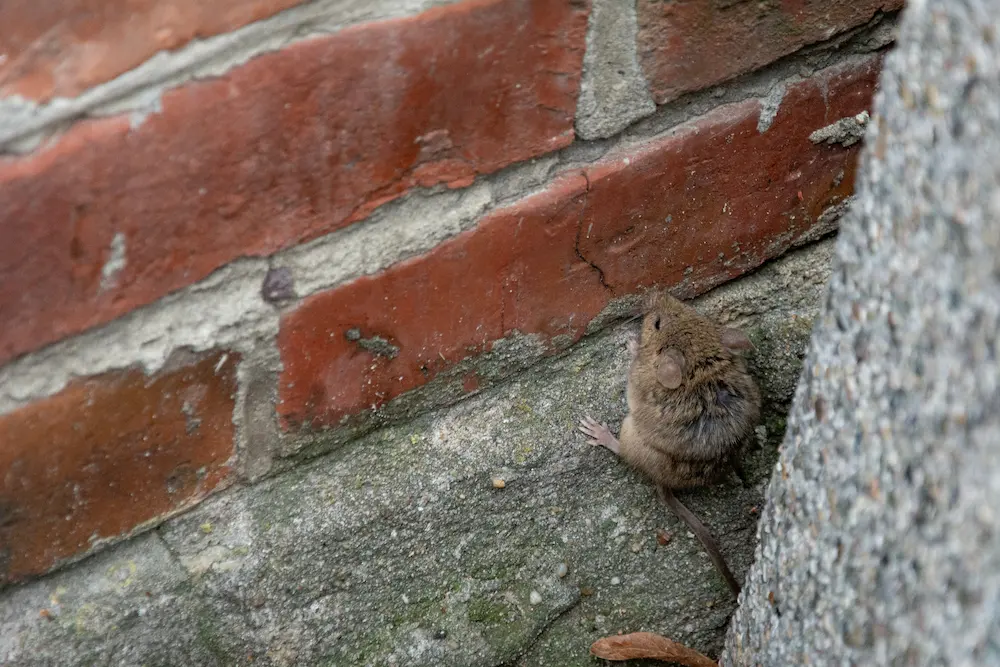
Most homes in Dallas-Fort Worth suburbs are brick veneer over a slab, and that construction has a few predictable soft spots. Shifting clay soil can open small cracks around foundations over time, and the gaps that develop in an older house in Garland look a lot like the ones in a newer build in McKinney or Prosper.
Garages and the Door Seal
The garage is the most common first stop. Worn weatherstripping along the bottom of the garage door, a gap at the corners where the door meets the frame, and the door left open for an afternoon of yard work all give rodents an easy way in. Cardboard boxes, bags of grass seed, and stored pet food then give them reasons to stay.
Attics, Rooflines, and Vents
Roof rats and mice both use the roofline. Gaps where two rooflines meet, damaged soffit panels, loose vent screens, and openings around plumbing vents and cable lines can all lead straight into attic space. Pulled-up insulation, droppings near the attic hatch, or a strong musty smell are signs worth checking for when you go up for holiday decorations this month.
Weep Holes, Pipes, and Utility Lines
Brick homes have weep holes near the base of the walls to let moisture escape, and mice will sometimes use them as doorways. Gaps around AC refrigerant lines, dryer vents, hose bibs, and the spots where gas or water lines pass through an exterior wall deserve a look too. If a pencil fits through it, a mouse may be able to as well.
Holiday Storage Gives Them a Head Start
November is when a lot of DFW families climb into the attic or dig through the garage for lights, wreaths, and artificial trees. Those boxes have often sat untouched since January, which makes them ideal nesting spots. Shredded paper, chewed cords on light strings, and droppings at the bottom of a bin are all clues that something spent part of the year in there.
Open storage boxes in the driveway or garage rather than in the living room, and wear gloves while you do it. Rodent droppings and urine can carry germs, so avoid sweeping or vacuuming dry droppings, which can stir up dust. Lightly wet the area with a disinfectant first, then wipe it up and throw the paper towels away in a sealed bag.
What to Do Before the Next Cold Snap
The best time to deal with rodents is before the coldest weeks, while they’re still testing the outside of the house. A slow walk around the property on a dry afternoon can tell you a lot.
Cut Off the Easy Routes
Start with the openings you can fix yourself. These steps can help reduce the chances of rats and mice getting in:
- Replace worn garage door weatherstripping and check the bottom seal for chewed corners
- Trim tree limbs and shrubs back several feet from the roof and siding
- Fill small gaps around pipes and lines with steel wool and sealant, since rodents can chew through foam alone
- Repair torn vent screens and loose soffit panels
- Store firewood off the ground and away from the exterior walls
Weep holes need a different approach because they have a job to do. Blocking them completely can trap moisture inside the wall, so use covers made for weep holes rather than stuffing them with mortar or foam.
Take Away Food and Nesting Material
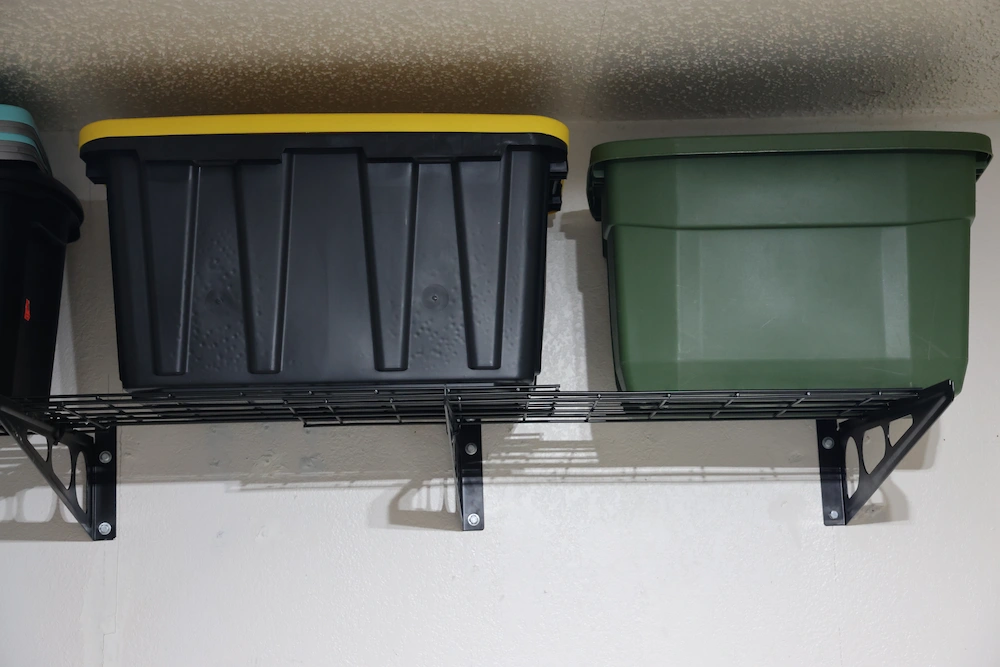
Move pet food and birdseed into metal or heavy plastic containers with tight lids, especially if they live in the garage. Swap cardboard storage for sealed plastic bins, and keep boxes off the floor where you can. Indoors, a quick wipe of counters at night and a look behind the stove or fridge for crumbs makes the kitchen much less rewarding.
Signs to Watch Over the Next Few Weeks
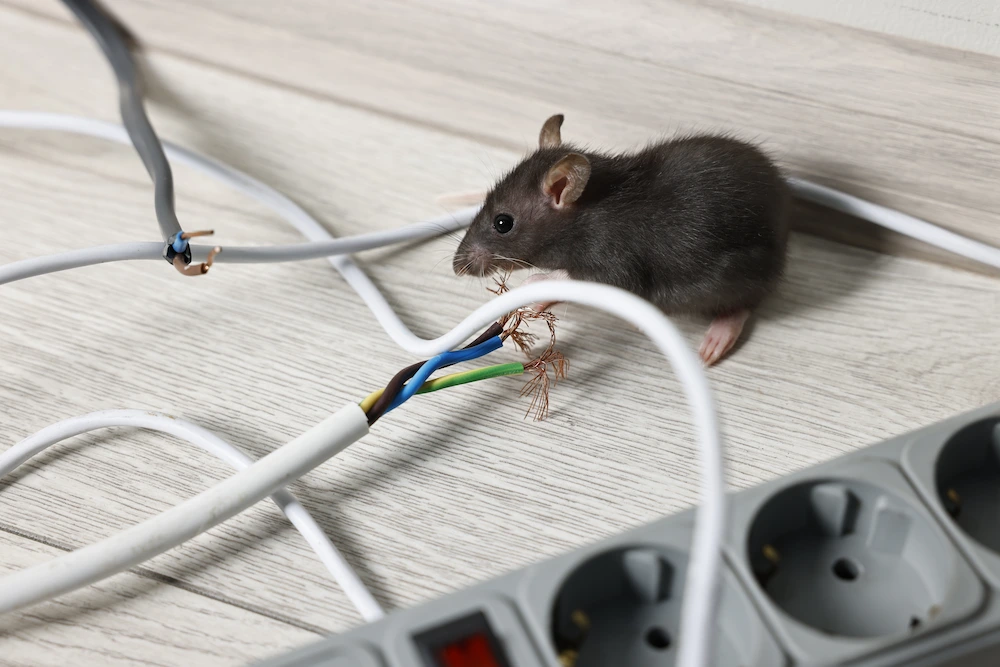
Pay attention to what you hear and see as nights get colder. Scratching at night, droppings, gnaw marks on boxes or wiring, and dark grease smudges along walls where rodents travel all point to activity. Chewed wiring in an attic can create a fire risk, so don’t ignore it.
Pets can tip you off as well. A dog that stares at one spot on the wall or a cat that keeps camping out by the dryer may be hearing movement you can’t. Either way, note where and when you notice it, because that detail helps a technician narrow down the entry point.
Why Trapping Alone Often Falls Short
Setting a couple of snap traps can catch a mouse or two, but it rarely fixes the bigger picture if openings are still there. New rodents keep finding the same way in, and roof rats in particular are known for being wary of new objects in their path. Stopping the problem usually takes inspection, sealing, and follow-up together.
Rodent Help Before Winter Settles Over Dallas-Fort Worth

Rats and mice get busier around Texas homes as temperatures drop because they need steady warmth, food, and a safe place to breed through the winter. Cold fronts in North Texas push them toward attics, garages, and wall voids, and the gaps that let them in are often small and easy to miss.
If you’re already hearing scratching overhead or finding droppings in the garage, it’s worth having someone take a closer look. Romney’s Pest Advantage and Pest Complete bundles include interior and exterior rodent control as part of their home pest control services, along with quarterly visits, and the team providing pest control in Dallas serves Fort Worth, Plano, Frisco, McKinney, Lewisville, Arlington, and many surrounding communities. An inspection inside and out is a good first step toward finding where they’re getting in.
For a free quote on our thorough rodent control services, contact us today!
Citations
When are rats and mice the most active?. (n.d.). Terminix. Retrieved November 9, 2026, from https://www.terminix.com/rodents/season/