
Summary: A homeowner guide covering five pests that thrive in humidity, including mosquitoes, cockroaches, termites, ants, and silverfish, plus moisture-control tips.
Hot, humid weather does more than make your home feel uncomfortable. It can also create ideal conditions for some of the most common household pests. Moisture provides insects with water, supports breeding sites, and creates damp hiding places where pests can survive and reproduce.
If pest activity seems to increase when humidity rises, there is usually a reason. Mosquitoes, cockroaches, termites, ants, and silverfish all benefit from moist environments in different ways. Understanding which pests thrive in humidity can help you find problem areas around your property before they turn into infestations.
Why Does Humidity Attract Pests?
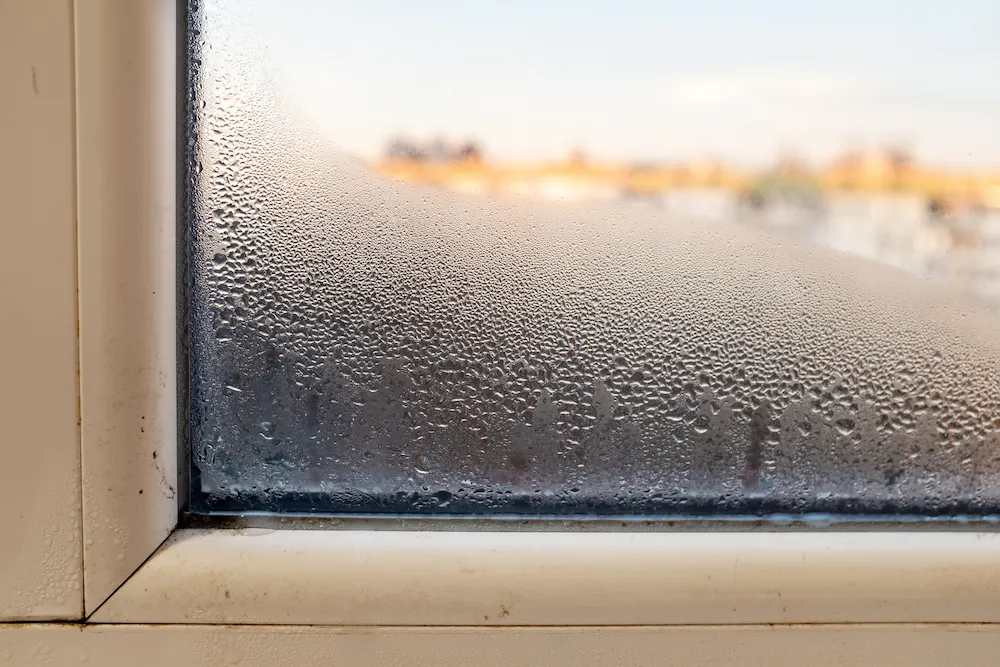
Pests need water just like other living organisms. High humidity helps many insects retain moisture, while damp soil, condensation, leaks, and standing water provide direct sources of hydration.
Humidity can also change the environment around your home. Damp wood may become more attractive to termites, standing water can support mosquito development, and moist areas beneath sinks or around plumbing can provide shelter for cockroaches and silverfish.
Moisture Can Create Hidden Pest Hotspots
Not every moisture problem is obvious. A dripping pipe inside a cabinet, condensation around an air conditioning system, or poor ventilation in a bathroom can create a humid pocket where pests have access to water and shelter.
Outdoors, clogged gutters, overwatered landscaping, thick mulch, and poor drainage can create similar conditions. Keeping these areas dry is an important part of preventing moisture-loving pests.
1. Mosquitoes
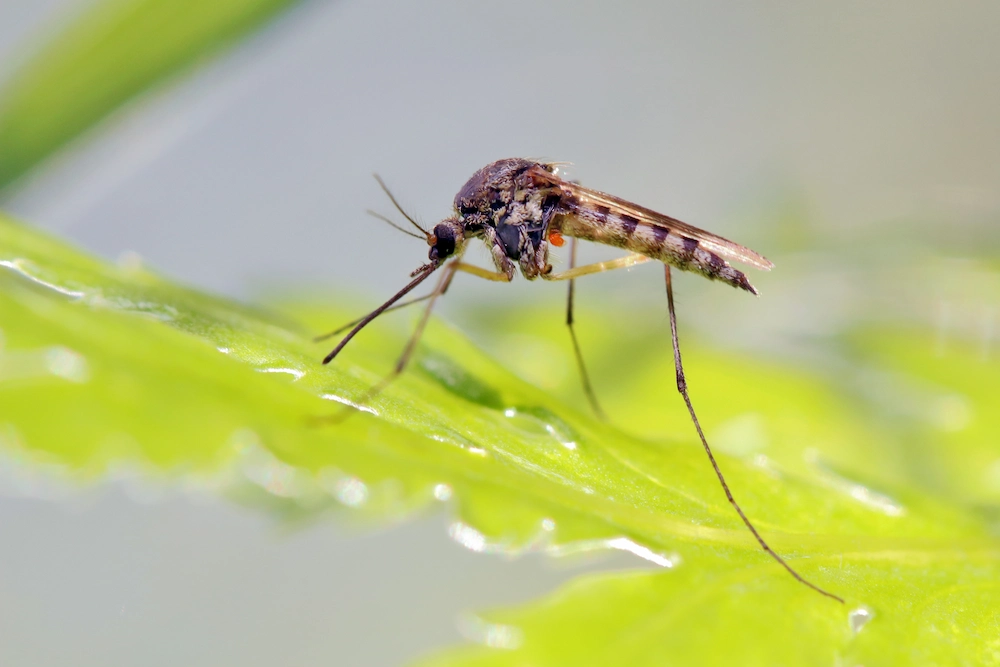
Mosquitoes are closely associated with wet, humid conditions because many species lay their eggs in or near water. After summer storms or heavy watering, containers and low areas around the yard can collect enough water to support mosquito development.
Humidity also helps mosquitoes remain active without losing moisture as quickly. Shaded, damp vegetation can provide comfortable resting areas during the hottest parts of the day.
Watch for Mosquito Breeding Sites
A large pond is not necessary for mosquitoes to become a problem. Smaller water sources around a property can be enough.
Check places such as:
- Buckets, toys, and unused containers
- Clogged gutters and drains
- Plant saucers and birdbaths
- Pool covers and other items that collect rainwater
Emptying unnecessary standing water regularly can interrupt mosquito breeding and make the yard less inviting.
2. Cockroaches
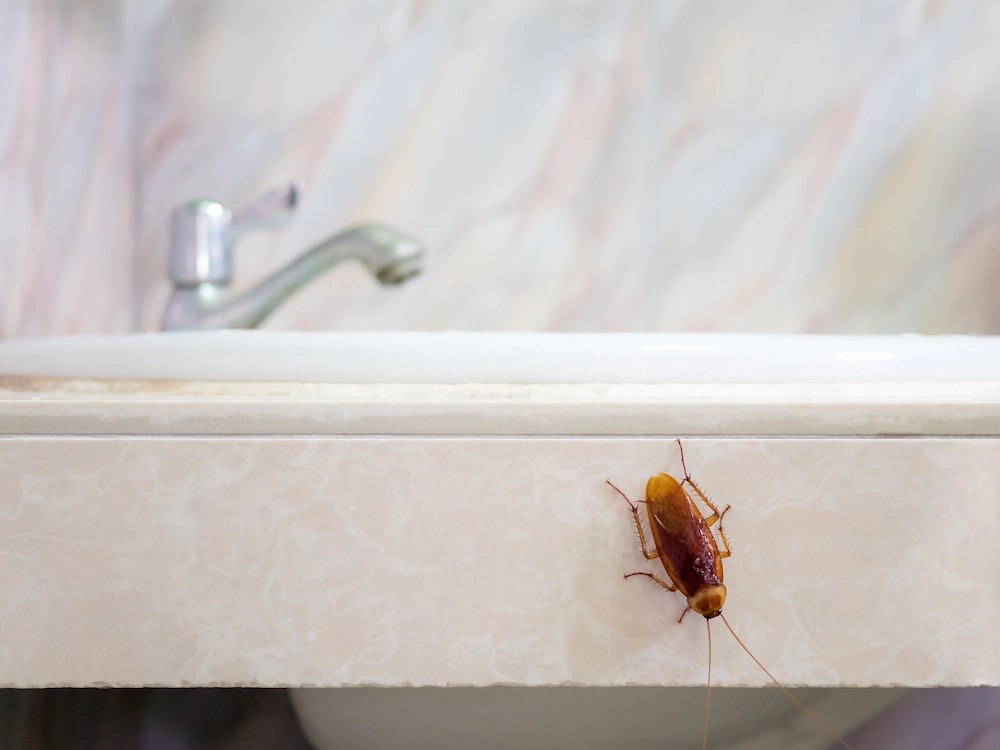
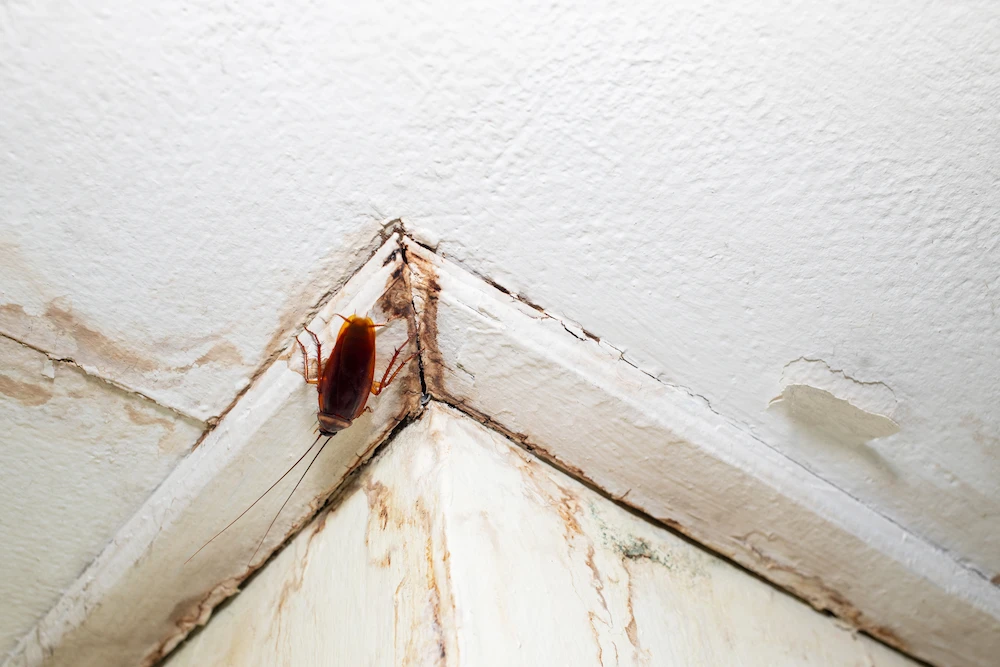
Cockroaches are another pest that does particularly well around moisture. Depending on the species, they may be found near plumbing, drains, kitchens, bathrooms, crawl spaces, or damp areas outdoors.
Water is especially important to cockroach survival. A home with plumbing leaks, condensation, or consistently humid hiding places may give roaches the resources they need even when homeowners keep food stored properly.
Humidity Gives Roaches More Places to Hide
Warmth and moisture can make summer especially favorable for cockroach activity. Dark areas beneath sinks, behind appliances, and around utility lines can provide both shelter and access to water.
Fixing leaks, improving ventilation, and drying damp areas help make these locations less attractive.
3. Termites
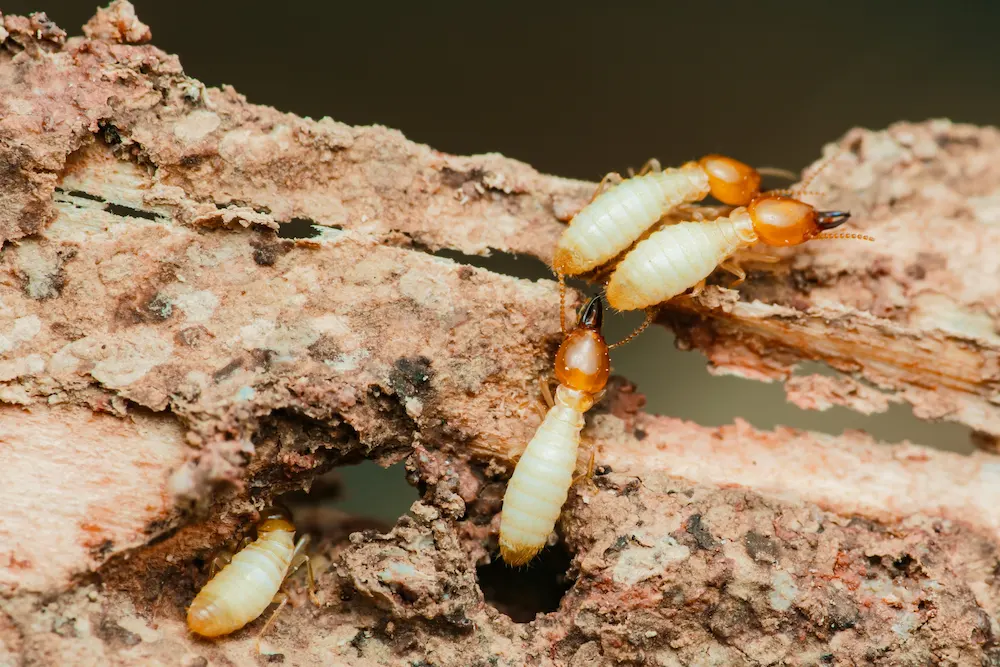
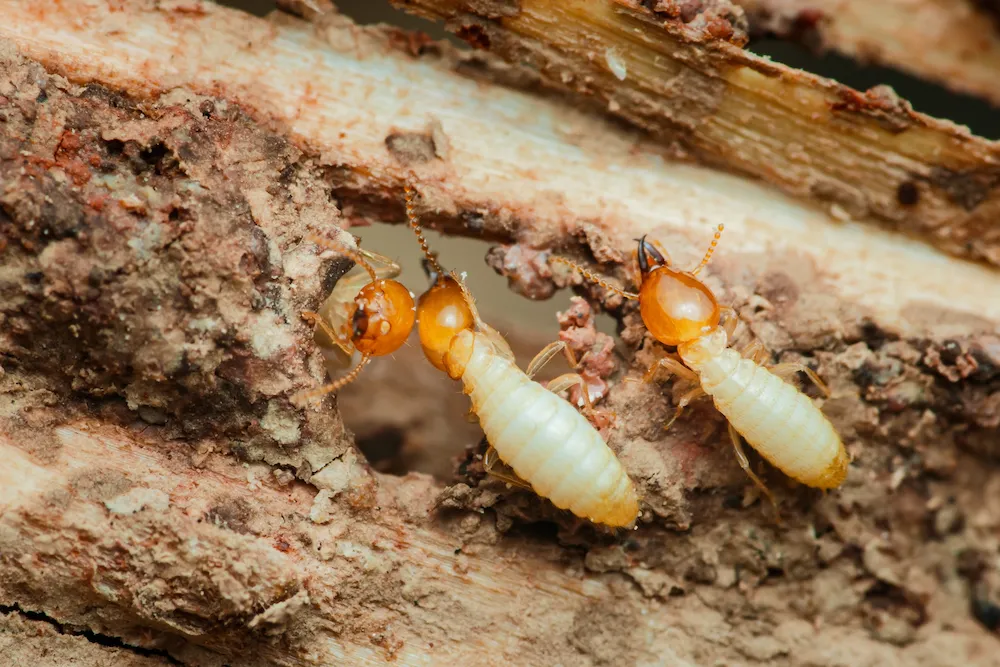
Termites are another major concern when moisture accumulates around a property. Subterranean termites live in soil and require moist conditions to avoid drying out as they travel between their colony and food sources.
Moist or damaged wood around a home can also contribute to favorable termite conditions. Leaking pipes, poor drainage, and water collecting near the foundation deserve attention, particularly when the moisture problem persists.
Damp Wood Can Increase Termite Risk
Homeowners should watch for areas where wood and moisture meet. Damaged fascia, leaking plumbing, damp crawl spaces, and wood touching soil can create conditions that support termite activity.
Correcting moisture problems does not eliminate an existing colony, but it can remove conditions that make a property more favorable to termites.
4. Ants
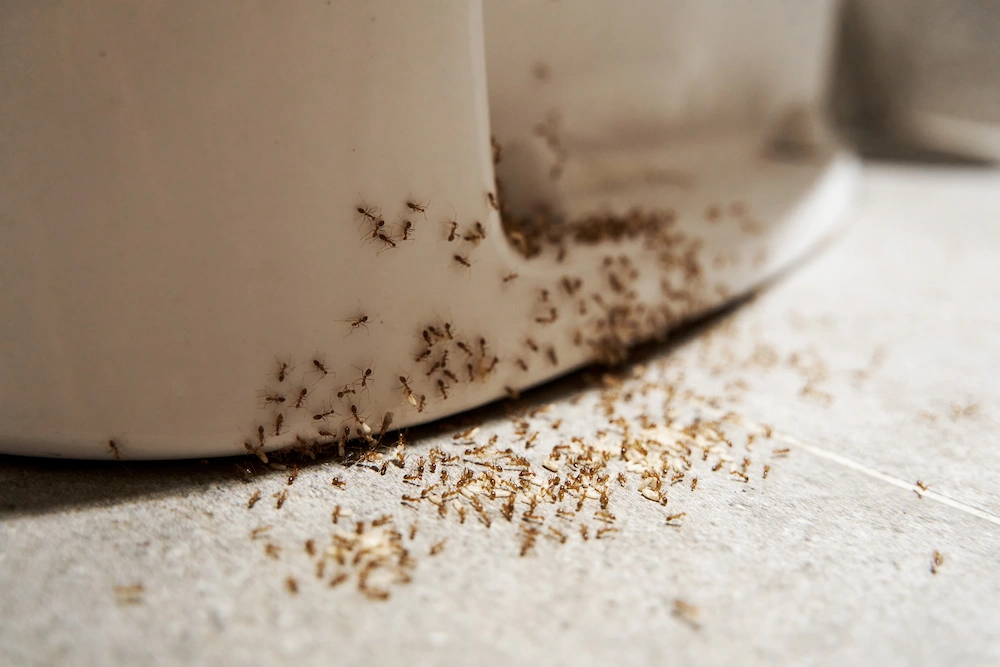
Ants need dependable sources of water, and humid conditions can make residential properties attractive to several species. Kitchens, bathrooms, landscaping, and areas around plumbing can all provide moisture along with convenient food sources.
Heavy rain can also disrupt outdoor nests or saturate the soil. When that happens, ants may move toward protected areas or become more noticeable around structures while searching for suitable shelter and resources.
Ant Trails Can Point to an Attractant
If ants repeatedly appear around a sink, window, or another specific area, investigate what is drawing them there. Moisture may be part of the problem, especially when activity is concentrated around plumbing or damp building materials.
Cleaning food residue is important, but homeowners should also repair leaks and address persistent moisture when trying to discourage ants.
5. Silverfish
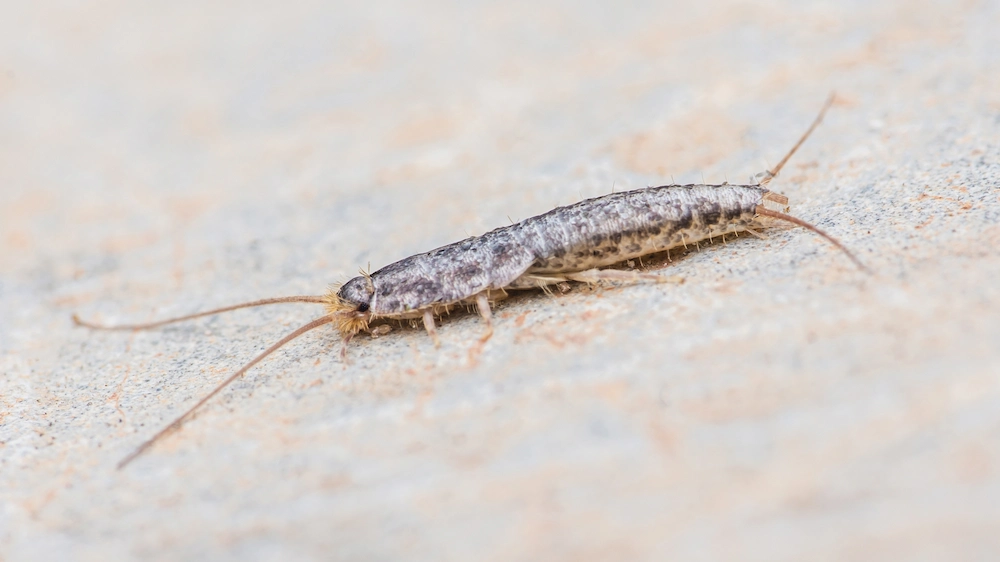
Silverfish are strongly associated with humid environments. These small, wingless insects prefer dark and damp areas, which is why they may turn up in bathrooms, basements, laundry rooms, closets, or other poorly ventilated spaces.
They feed on materials containing starches and carbohydrates, including paper products, adhesives, and some fabrics. A humid storage area can therefore provide both favorable shelter and potential food.
Indoor Humidity Can Keep Silverfish Comfortable
Finding silverfish indoors may be a clue that an area has excessive moisture. Improving airflow, repairing leaks, and using appropriate humidity control can make the environment less suitable for them.
Cardboard boxes, paper clutter, and stored materials should also be kept away from persistently damp locations.
How to Make Your Home Less Attractive to Pests that Thrive in Humidity
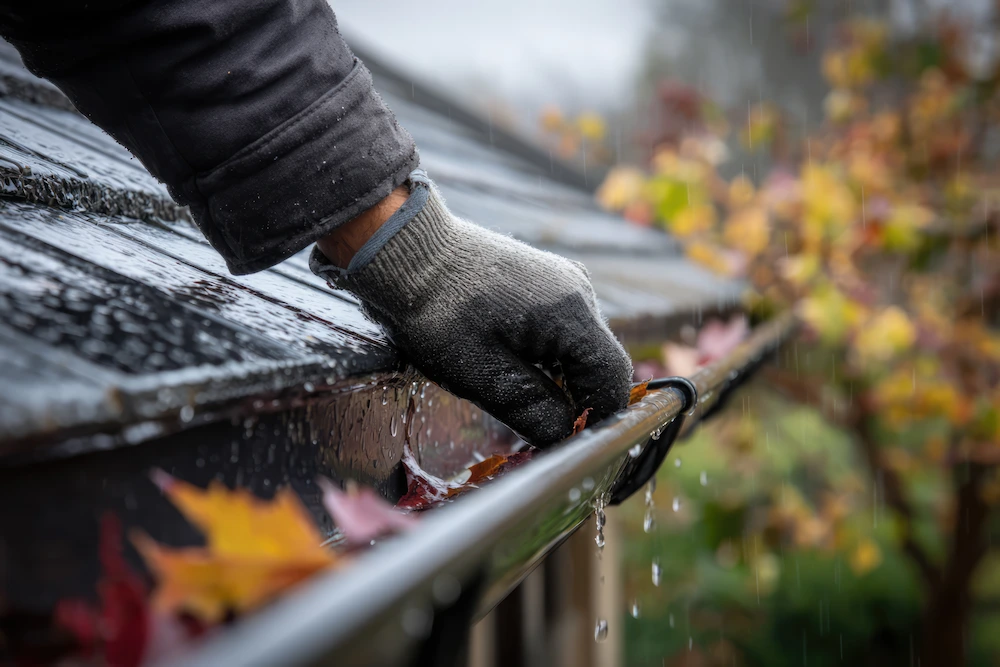
Moisture control is an important part of pest prevention because it removes a resource shared by many different pests. Start indoors by checking bathrooms, kitchens, laundry rooms, crawl spaces, and plumbing for leaks or persistent dampness.
Outside, pay attention to drainage and areas where rainwater collects. Gutters should drain properly, landscaping should not remain constantly saturated, and unnecessary containers should not be allowed to hold water.
A few practical steps can help:
- Repair plumbing and irrigation leaks promptly.
- Eliminate unnecessary standing water.
- Keep gutters and downspouts clear.
- Improve ventilation in humid indoor areas.
- Avoid overwatering landscaping near the foundation.
These steps cannot guarantee a pest-free property, but they can remove many of the conditions that allow moisture-loving pests to thrive.
When Humidity Turns Into a Pest Problem
Seeing an occasional insect does not necessarily mean you have an infestation. Repeated sightings, growing populations, pest droppings, termite mud tubes, or unexplained damage are stronger reasons to investigate.
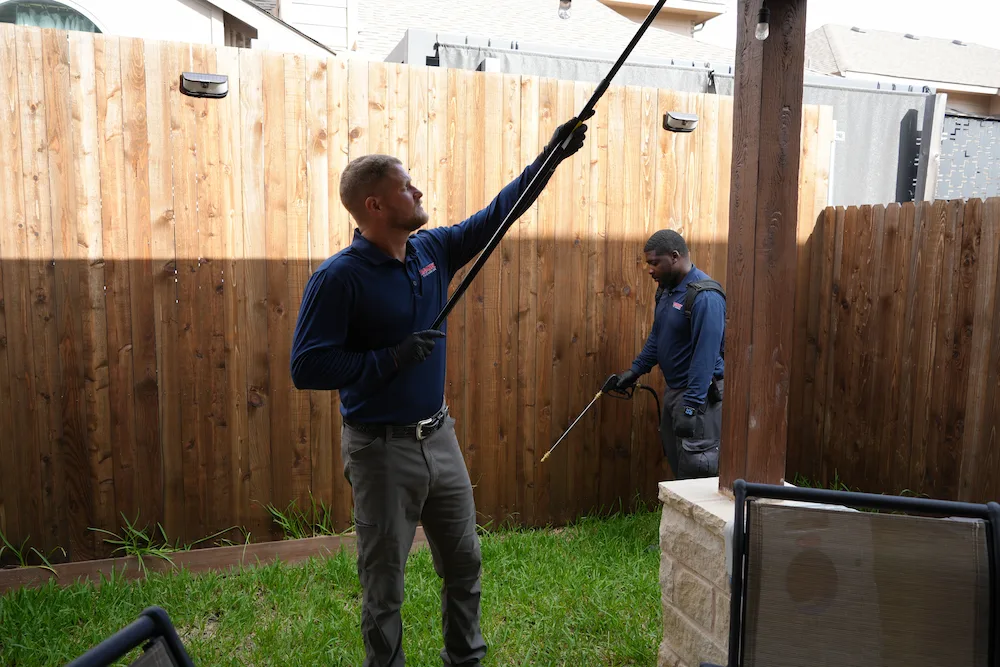
Professional pest control can help determine what species is present, where it is coming from, and whether excess moisture is contributing to the problem. Addressing both the pest and the conditions attracting it provides a more complete approach than simply treating the insects you can see.
Final Thoughts
Mosquitoes, cockroaches, termites, ants, and silverfish are five pests that can benefit from humid conditions. Although their lifestyles are different, moisture gives each of them something they need, whether that is a breeding site, drinking water, shelter, or protection from drying out.
Reducing standing water, repairing leaks, improving drainage, and controlling indoor humidity can make your property less inviting. When humid weather arrives, keeping moisture under control is one of the simplest ways to stay ahead of pest problems. When you want efficient solutions to your moisture-loving pest problems, contact us for a free quote!
Citations
Knox, T. (2024, December 6). Pests and humidity: Are insects attracted to moisture?. Terminix. Available at https://www.trustterminix.com/pests-and-humidity-are-insects-attracted-to-moisture/ (Accessed on August 12, 2026).