
Summary: A practical guide on how to prevent pests during rainy season, focusing on eliminating standing water, reducing moisture, and controlling mosquito breeding.
Rainy weather brings cooler temperatures and much needed moisture, but it also creates ideal conditions for pest activity. Increased humidity, standing water, and damp environments make it easier for insects and other pests to survive and reproduce. That is why many homeowners notice a spike in infestations during wet months.
Learning how to prevent pests during rainy season starts with understanding what attracts them. Moisture is one of the biggest drivers of pest activity, and even small amounts of standing water or damp areas can quickly become problem spots around your home.
Why Rainy Season Pest Control Matters
Effective rainy season pest control is important because many pests rely on water to complete their life cycle. Mosquitoes, for example, need standing water to lay eggs, while cockroaches and ants thrive in humid environments.
Rain also forces pests to seek shelter. As outdoor conditions become saturated, insects and rodents may move indoors to find dry, protected spaces. This shift increases the likelihood of infestations inside homes.
Without proper prevention, pest populations can grow quickly during rainy periods, making early action essential.
Eliminate Standing Water to Reduce Pest Activity
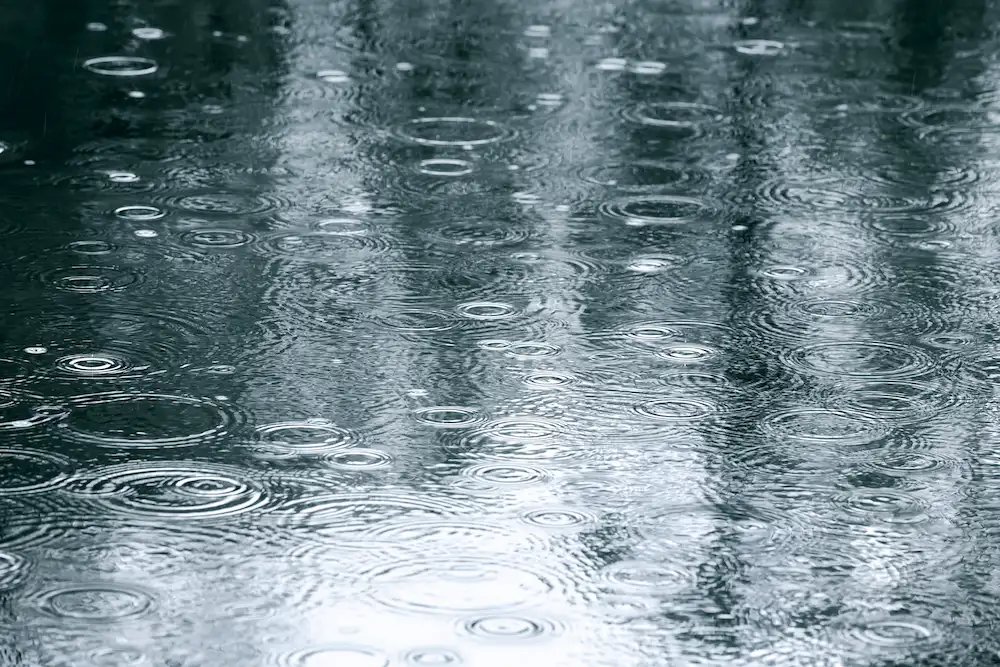
One of the most effective ways to eliminate standing water pests is to remove water sources around your property. Standing water provides breeding grounds for insects, especially mosquitoes.
Even small amounts of water can attract pests. Items like clogged gutters, plant saucers, and low spots in the yard can hold enough water for insects to reproduce.
Focus on areas where water tends to collect after rainfall. Regularly inspecting your property can help you identify and fix these issues before they become larger problems.
Prevent Mosquito Breeding Around Your Home
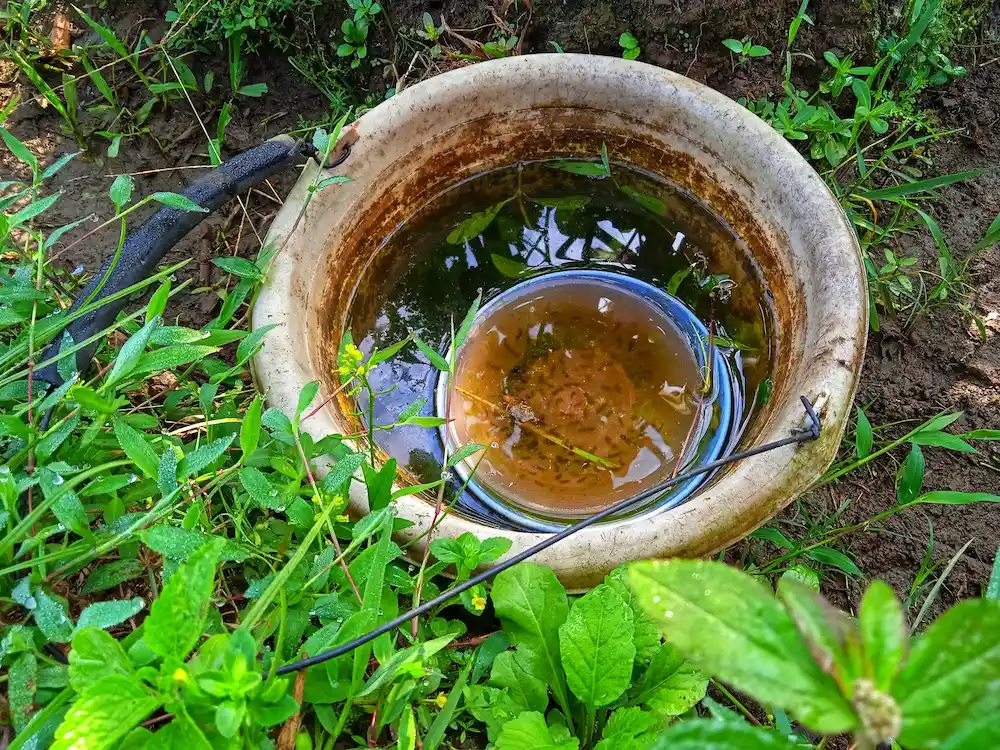
A major goal during wet months is to prevent mosquito breeding. Mosquitoes lay their eggs in stagnant water, and those eggs can develop quickly in warm, humid conditions.
Common breeding sites include buckets, birdbaths, clogged drains, and outdoor containers. If water is allowed to sit for several days, it can support mosquito larvae.
To reduce mosquito populations, empty and clean containers regularly. Improving drainage and ensuring water flows away from your home can also help limit breeding opportunities.
Moisture Pest Prevention Inside the Home
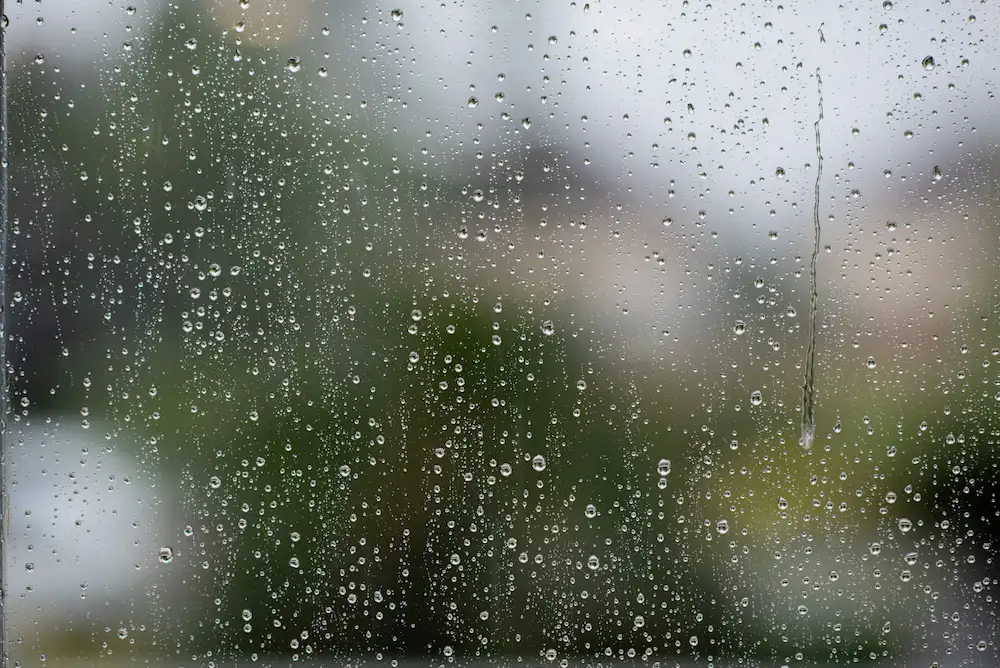
While outdoor conditions play a big role, moisture pest prevention inside the home is just as important. Excess humidity can attract pests like cockroaches, ants, and termites.
Leaks, poor ventilation, and damp basements or crawl spaces create ideal environments for these pests. Over time, these conditions can lead to hidden infestations.
Keeping indoor areas dry helps reduce the chances of pests settling inside. Using proper ventilation and addressing moisture issues quickly can make a significant difference.
Common Rainy Season Pests to Watch For
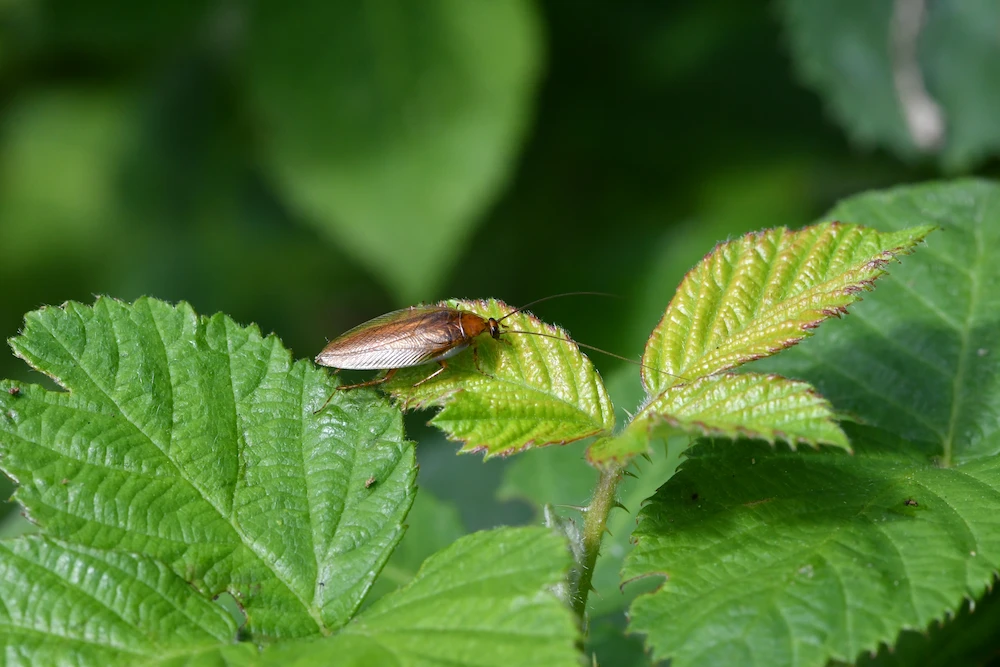
During the rainy season, several pests become more active. Knowing what to look for can help you respond quickly if activity increases.
Some common pests during wet weather include:
- Mosquitoes breeding in standing water
- Ants entering homes in search of dry shelter
- Cockroaches thriving in damp environments
- Termites attracted to moisture and soft wood
These pests take advantage of wet conditions, making prevention efforts especially important during this time.
Practical Tips to Keep Pests Away
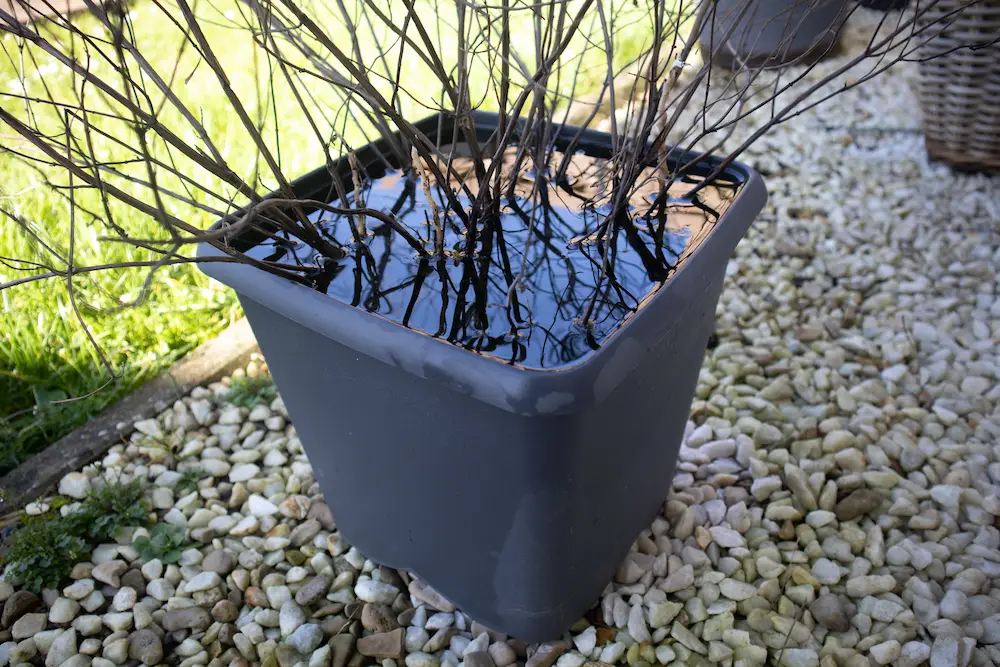
Taking simple steps can go a long way in helping you prevent pests during rainy season. Consistent maintenance around your property can reduce the conditions that attract insects.
Here are a few practical tips to follow:
- Clear gutters and ensure proper drainage
- Remove standing water from containers and yard areas
- Fix leaks and reduce indoor humidity
- Seal cracks and entry points around the home
These actions help limit both moisture and access, making your home less appealing to pests.
For additional protection, professional pest control services can identify high risk areas and apply treatments designed for seasonal pest activity. Learn more here.
Final Thoughts
Rainy weather creates the perfect environment for many pests to thrive, but proactive steps can help reduce the risk. By focusing on rainy season pest control and addressing moisture issues early, homeowners can avoid many common infestations.
Understanding how to eliminate standing water pests, improve drainage, and maintain a dry environment inside the home will make a big difference. With the right approach, it is possible to enjoy the rainy season without dealing with unwanted pests. Contact us for a free quote on our professional services today!
Citations
How pests survive the rain. (2025, September 29). Pointe Pest Control. Retrieved April 14, 2026, from https://pointepest.com/how-pests-survive-the-rain/