

Summary: Texas homes offer mice easy access through small construction gaps, vents, and utility penetrations. This guide explains how mice get inside, where to look first, warning signs to watch for, and the best exclusion and sanitation steps to stop repeat infestations—with help from Romney Pest Control.
If you’ve ever wondered how mice get inside spotless homes, you’re not alone. These tiny acrobats only need a gap the size of a dime to squeeze indoors, then they follow wall voids and utility runs like highways. The result? Late‑night scratching, missing pet food, and gnawed packaging that seems to appear out of nowhere.
In this guide, we’ll explain how mice get inside, the spots most homeowners overlook, and the smart fixes that keep them out for good. Along the way, we’ll point you toward professional options if you’re ready to stop the cycle for good.
Why Mice Target Our Houses

Mice constantly explore for three things: food, water, and shelter. Texas weather can swing from sweltering to stormy, and our homes offer stable temperatures, easy calories, and safe nesting spots. Once a mouse finds a reliable route in, it marks the path with scent and others follow, which is why a “one‑off” sighting can turn into activity in multiple rooms within days.
Understanding how mice get inside houses (the routes and the reasons) is step one—then you can close the gaps and remove the incentives that keep drawing them back.
The Most Overlooked Ways Mice Get Inside
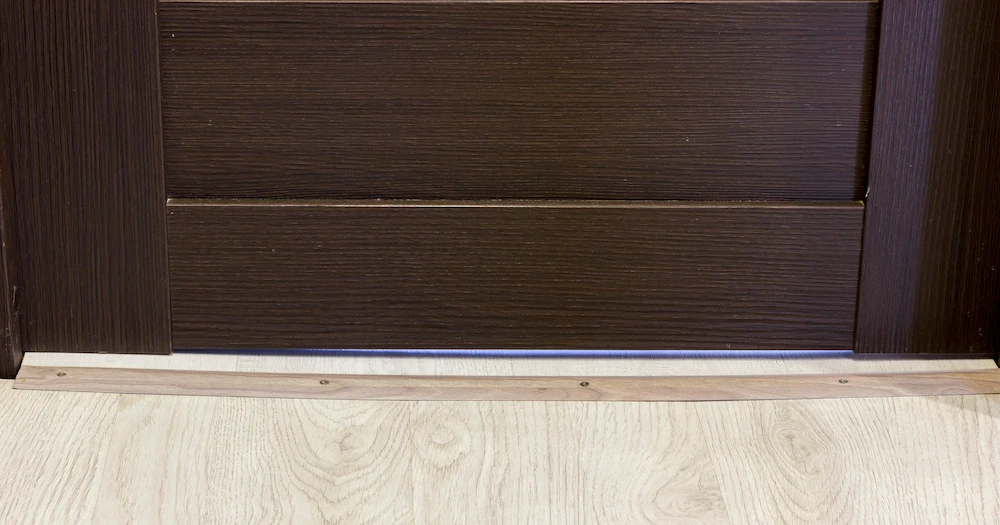
Mice don’t wait for doors to be left open. They exploit construction gaps and utility penetrations you rarely see. Here are the common mouse entry points homeowners in Texas should check first:
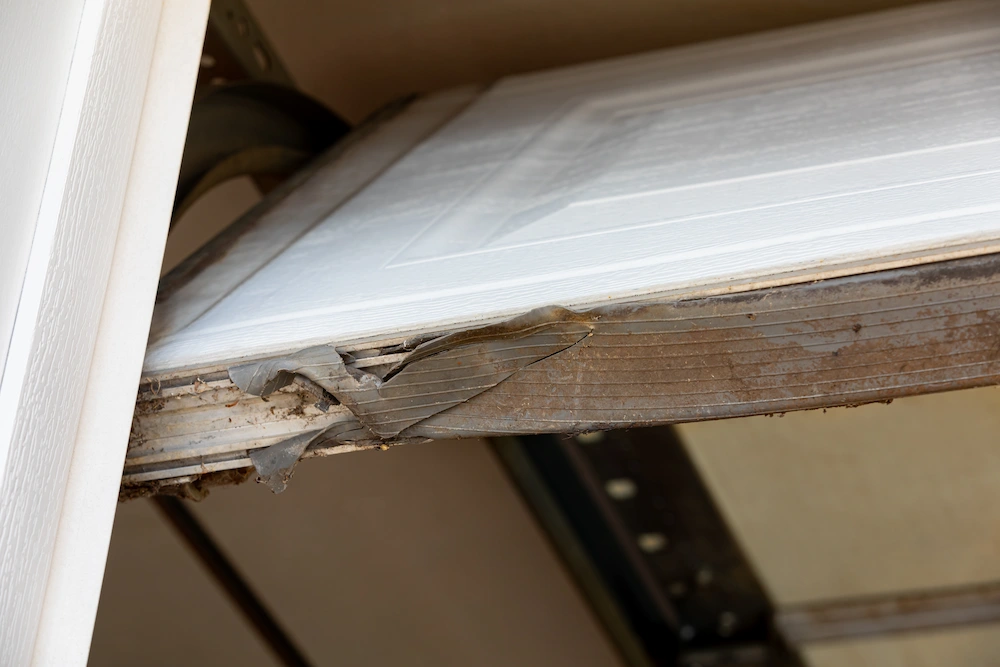
- Garage doors that don’t sit flush with the slab (worn bottom seals).
- Gaps around AC lines, gas lines, and hose bibs that pass through siding or brick.
- Weep holes and mortar gaps along brick façades (especially near vegetation).
- Unscreened or damaged attic, roof, and soffit vents; torn gable screens.
- Door thresholds and weatherstripping that’s cracked, loose, or missing.
- Utility chases behind appliances and cabinets, plus openings under sinks.
Remember: if you can slide a pencil into a gap, a juvenile mouse can likely use it, too. Mice get inside through whatever means necessary. Expansion and settling can widen hairline cracks seasonally, so re‑check problem areas after big temperature or humidity shifts.
Telltale Clues You Have Mice (Even If You Never See One)
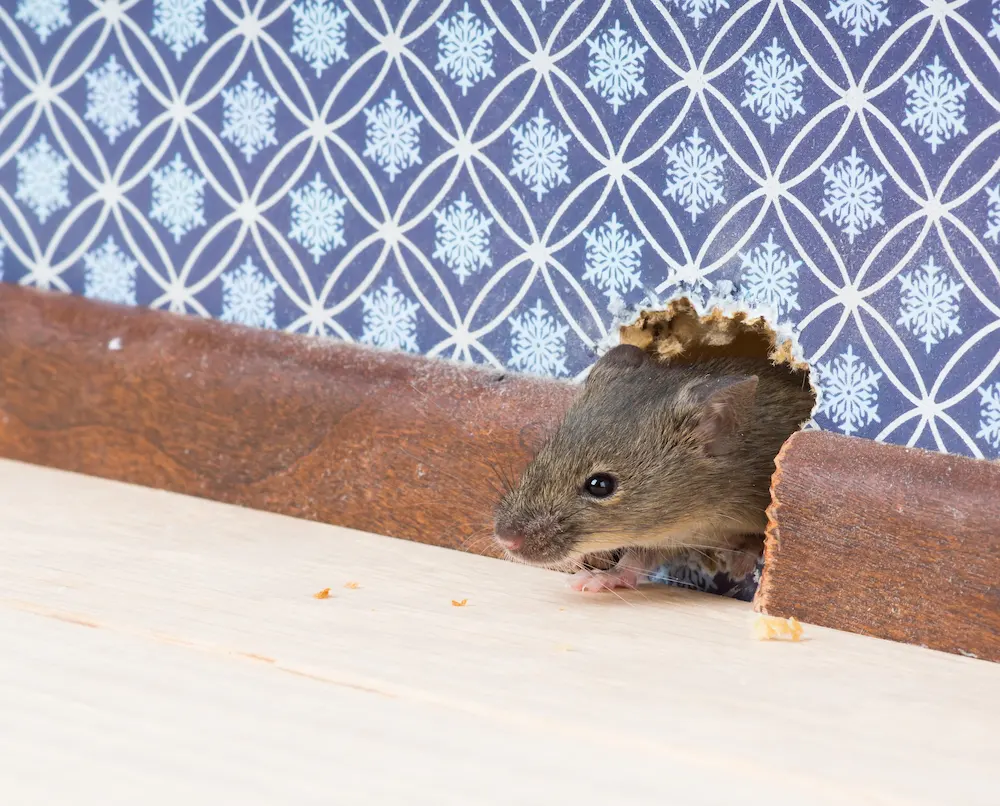
Mice are nocturnal and shy, so sightings are rare at first. Look for smudged rub marks along baseboards, pepper‑like droppings (1/8–1/4 inch), gnawing on packaged foods, and trails of shredded paper or insulation. You may also notice pet agitation at night around appliances or the pantry if mice get inside these tight spaces.
Pay special attention to signs of mice in walls: light scratching after dark, a faint musty or urine‑like odor near wall voids, and pin‑sized openings at baseboards or under sinks where plumbing passes through. If activity increases rapidly, you may have found a nesting site nearby.
How Mice Move Through Your Home

Once inside, mice hug vertical surfaces for cover, moving along baseboards and behind appliances. They cruise through wall cavities using plumbing and electrical runs, pop out at gaps around pipes, and take advantage of cluttered garages, attics, and pantries. Even small voids behind kick plates and cabinet backs become safe, warm corridors.
Because they explore the same pathways nightly, sealing those paths—and placing traps along them—dramatically improves control results.
Seal First, Then Sanitize: Your Prevention Checklist
Hard truth: you can’t out‑bait an open house. Focus on exclusion and sanitation to start preventing mouse infestations the right way:
- Seal exterior gaps 1/4″ and larger with steel wool + exterior‑grade caulk or mortar.
- Replace worn door sweeps and garage‑door bottom seals; adjust tracks to close daylight.
- Screen attic, roof, and dryer vents with 1/4″ hardware cloth (never fine window screen).
- Trim vegetation 12–18 inches from the foundation; elevate and tidy stored firewood.
- Store pantry staples and pet food in gasketed, rodent‑proof containers.
- Fix moisture issues (leaky hose bibs, AC condensate, standing water) that draw pests.
For trapping, place devices perpendicular to walls with the trigger end touching the baseboard—right on those runway edges and near fresh droppings or gnaw marks. Check and reset daily until activity stops.
When DIY Isn’t Enough, Bring In Backup
If you’re still hearing activity after a week of diligent sealing and trapping—or you suspect rodents in attic insulation or difficult rooflines—it’s time to get help. Romney delivers targeted inspections, professional‑grade exclusion, and safe, effective treatments designed for Texas homes. Our service plans even include interior and exterior rodent protection.
Learn more about our interior and exterior rodent control options.
Need fast help in Dallas–Fort Worth? Explore our local services.
Ready to shut the door on mice for good? Schedule an inspection today and reclaim your peace of mind. Our local technicians will assess your home, close entry points, and build a plan that keeps rodents out—season after season.
Citations
Andriatsitohaina, H. (2025, October 4). 5 ways mice sneak into homes as weather cools – and how to stop them. The Spruce. Available at https://www.thespruce.com/how-mice-get-inside-and-how-to-keep-them-out-11802841 (Accessed on October 22, 2025).