
Summary: An educational guide explaining how stinging insects gather food, what they eat, and how their foraging behavior leads them into residential areas.
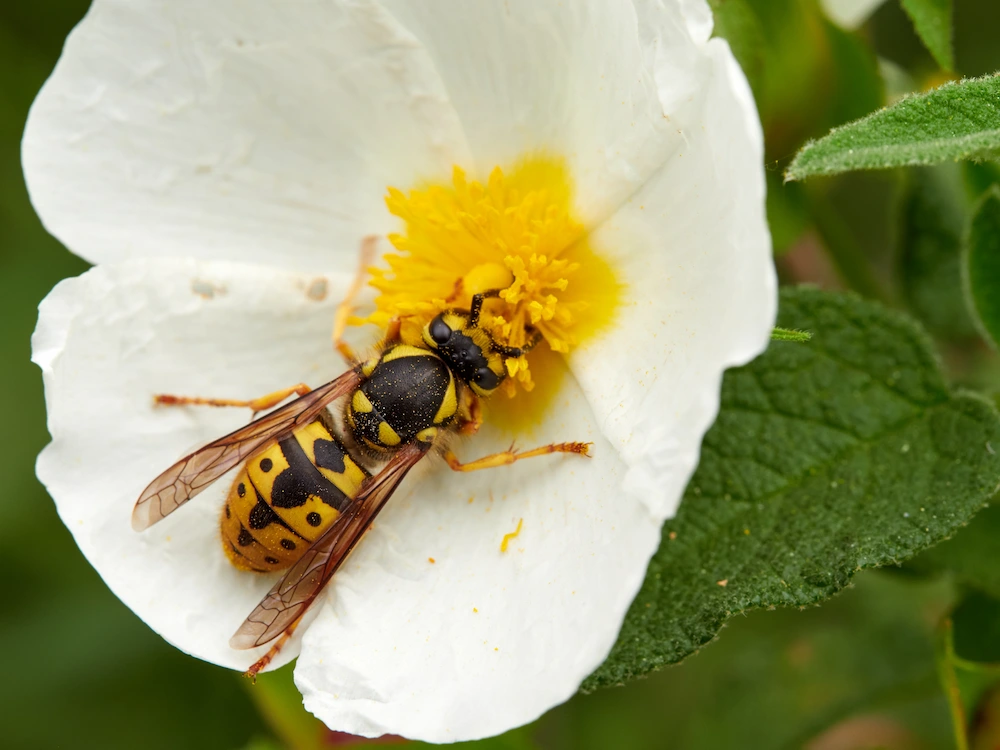
Stinging insects like bees, wasps, and hornets play an important role in ecosystems, but they can also become a concern around homes. One of the main reasons these insects are so active is their constant need to find food. Understanding how stinging insects gather food helps explain why they are often seen around gardens, outdoor meals, and trash areas.
These insects rely on efficient foraging systems to locate and transport food back to their colonies. Whether they are collecting nectar, hunting prey, or scavenging, their behavior is highly organized and driven by the needs of the colony.
What Do Stinging Insects Eat?
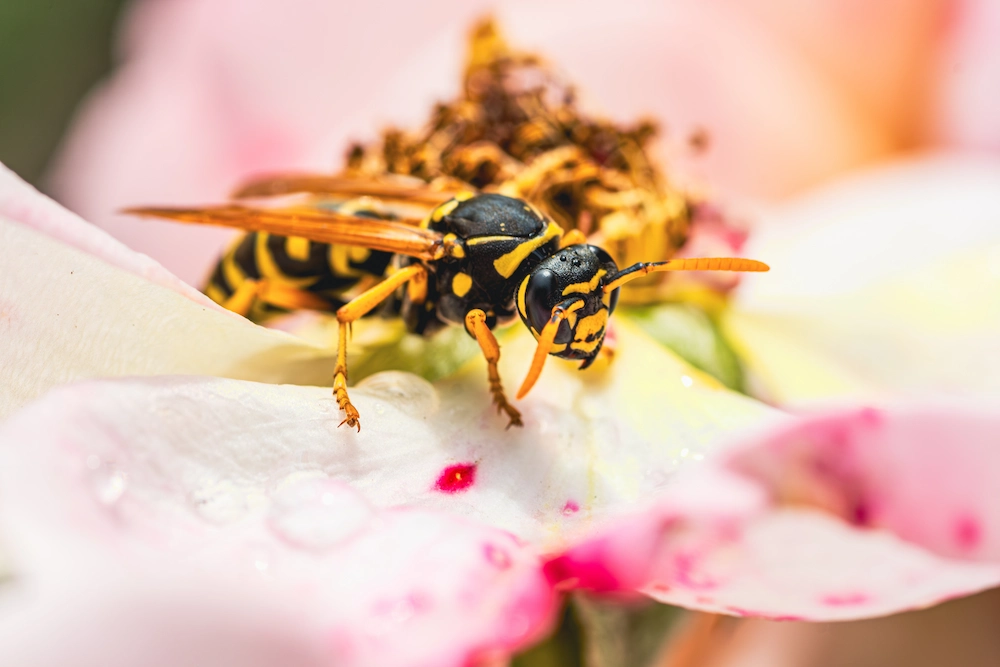
To understand what do stinging insects eat, it helps to look at the different roles within a colony. Adult insects and larvae often have different dietary needs, which influences how food is collected and shared.
Most adult stinging insects prefer sugary substances such as nectar, fruit juices, or other sweet liquids. These foods provide the energy needed for flying and foraging. In contrast, larvae require protein to grow, which is why many species hunt other insects or gather protein rich food sources.
This balance between sugar and protein shapes how colonies search for and prioritize food sources throughout the day.
Bees and Wasps Diet: Key Differences
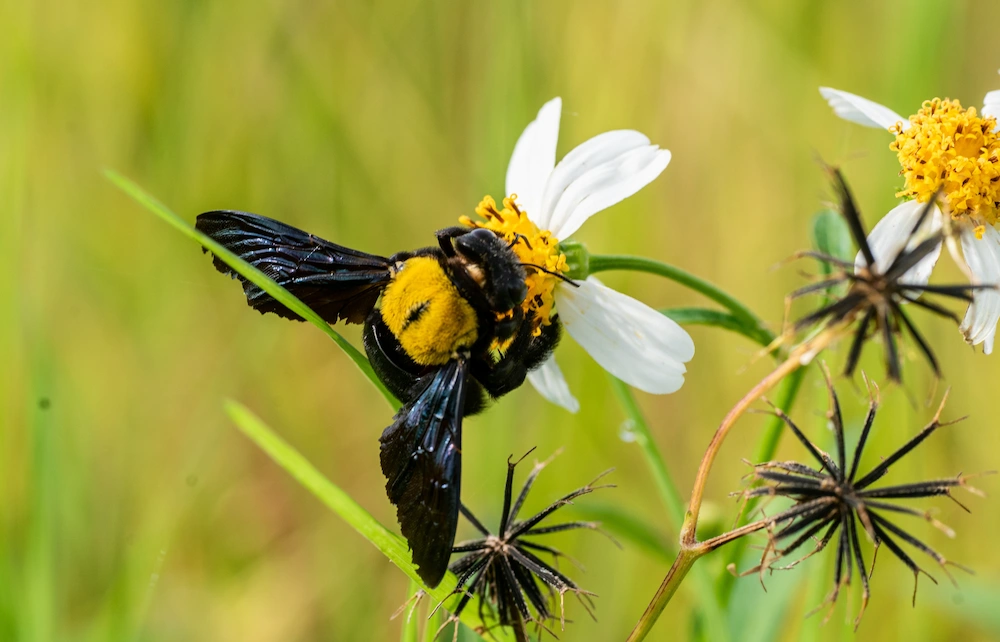
Looking at the bees and wasps diet reveals some important differences in feeding habits. Bees primarily rely on plant based foods, especially nectar and pollen. Nectar provides carbohydrates, while pollen supplies essential nutrients like protein and fats.
Wasps, on the other hand, have a more varied diet. While adult wasps also consume sugary foods, they are active hunters and often capture other insects to feed their young. This makes them both scavengers and predators.
Because of these differences, bees are more commonly found around flowers, while wasps may be seen around food sources like garbage, outdoor meals, or areas with high insect activity.
Nectar and Pollen Collection
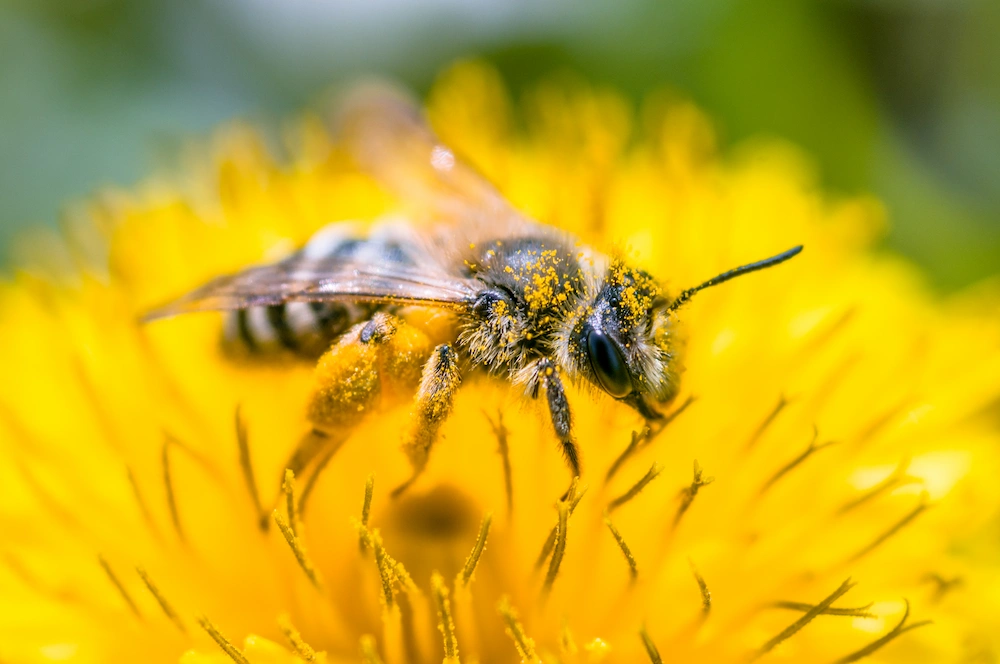
Nectar and pollen collection is a critical part of how many stinging insects survive. Bees are especially efficient at gathering these resources, using specialized body structures to carry pollen from one plant to another.
When collecting nectar, bees use their long mouthparts to extract liquid from flowers. The nectar is stored in a special organ and transported back to the hive, where it is processed into honey. Pollen sticks to the bee’s body and is brushed into storage areas on their legs.
This process not only feeds the colony but also supports plant pollination, making bees essential to many ecosystems and agricultural systems.
Insect Foraging Behavior Explained
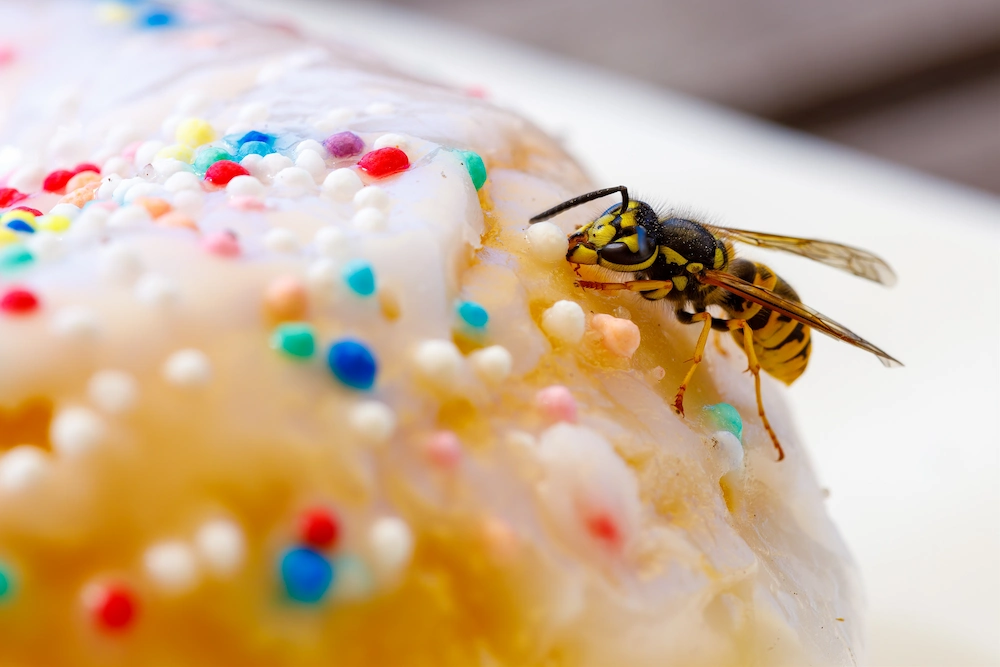
Insect foraging behavior is highly organized and often involves communication between members of the colony. Many stinging insects use chemical signals or movement patterns to guide others to food sources.
Bees, for example, perform specific movements to indicate the location of food. Wasps rely more on scent trails and visual cues to locate prey or sugary substances. Once a reliable food source is found, workers will repeatedly return and bring others with them.
This coordinated approach allows colonies to gather large amounts of food efficiently and respond quickly to changes in their environment.
Why Stinging Insects Come Near Homes
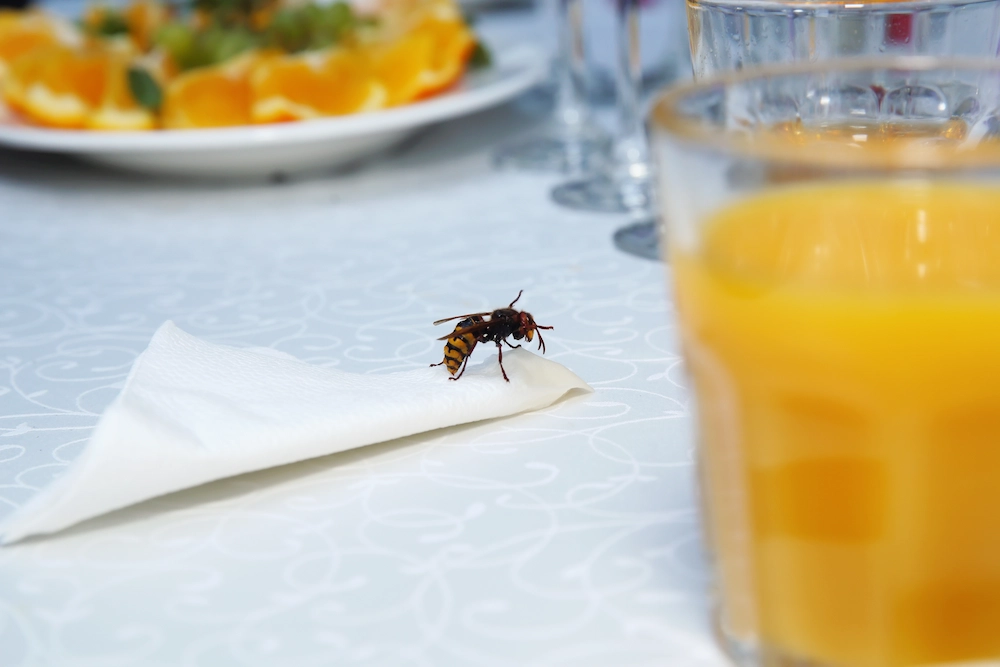
Stinging insects are often attracted to residential areas because homes provide easy access to food. Outdoor dining areas, garbage bins, gardens, and even pet food can all serve as food sources.
Sweet drinks, fruit, and sugary residues are especially attractive to bees and wasps. At the same time, the presence of other insects can draw predatory species like wasps that are searching for protein.
Because these food sources are often readily available, stinging insects may repeatedly visit the same areas, increasing the chances of encounters with people.
Reducing Food Attractants Around Your Property

Understanding how stinging insects gather food makes it easier to reduce their presence around your home. Limiting access to food sources can discourage foraging activity and reduce the likelihood of nests forming nearby.
Simple prevention steps include:
- Cleaning up food and drink spills promptly
- Keeping garbage containers tightly sealed
- Avoiding leaving pet food outdoors
- Managing gardens and fallen fruit
These measures can help make your property less appealing to foraging insects.
For long term protection, professional pest control services can identify nesting areas and provide targeted treatments. Learn more about effective solutions here.
Final Thoughts
Understanding how stinging insects gather food provides insight into why they are so active and persistent. Their need for both sugar and protein drives them to explore a wide range of environments, including residential spaces.
By learning about what do stinging insects eat and how insect foraging behavior works, homeowners can take practical steps to reduce attractants and minimize encounters. When activity becomes excessive, professional support can help manage the problem safely and effectively. Contact us for a free quote on our efficient stinging pest control services today!
Citations
Here’s the buzz: What attracts stinging insects – and how to avoid them. (2025, March 28). Pest Management Systems, Inc. Retrieved April 13, 2026, from https://pestmgt.com/blog/heres-the-buzz-what-attracts-stinging-insects-and-how-to-avoid-them/