
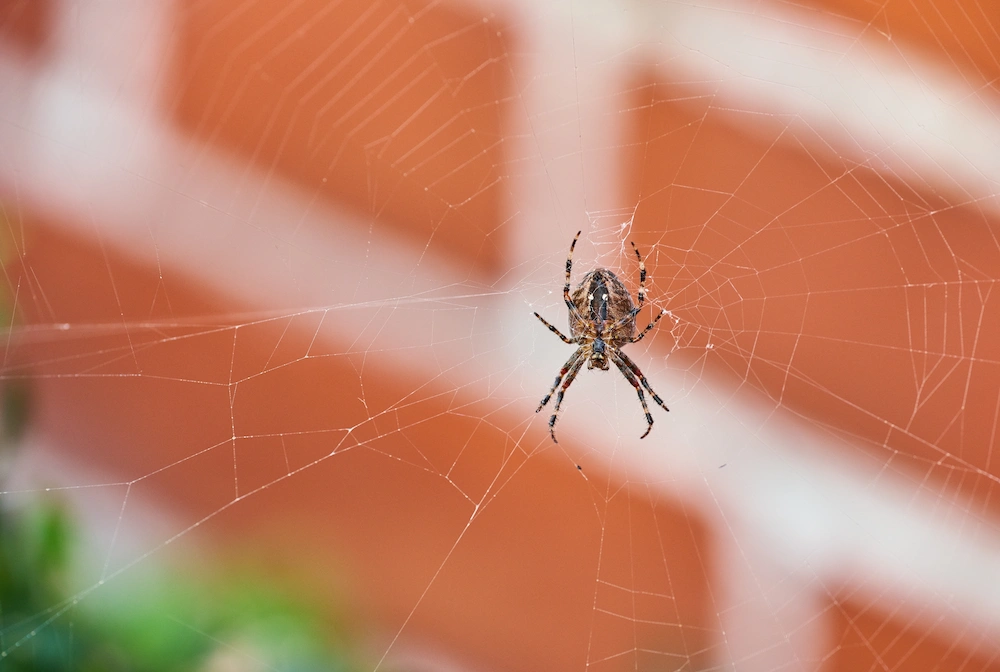
Summary: Shifting temperatures between summer and winter confuse pest behavior and often trigger a temporary spike in activity. This guide explains how to prevent pests during transitional months across Texas, from sealing gaps to watching for rodents and stinging insects.
The stretch between summer and winter is one of the trickiest times of year for Texas pest activity. Temperatures swing between still warm afternoons and noticeably cooler nights, and pests around Dallas, Lewisville, and Houston respond to that instability by moving, searching, and adjusting their behavior in ways that catch a lot of homeowners off guard.
A few targeted habits make pest prevention during transitional months far more manageable, even as conditions keep shifting week to week.
Why Transitional Weather Confuses Pest Behavior

Insects and rodents rely on temperature and daylight changes to know when to slow down, swarm, or seek shelter. During transitional months, warm days can trigger continued outdoor activity while cooler nights push the same pests toward a house in search of stable warmth, creating a pattern of activity that does not match the steadier behavior seen in peak summer or deep winter.
This inconsistency is really the whole story here. A pest that would normally settle into a predictable seasonal pattern instead keeps adjusting week to week, which is why prevention during this stretch benefits from more frequent, smaller checks rather than a single seasonal effort the way homeowners might approach deep summer or deep winter.
This is part of why homeowners sometimes see a temporary spike in ant trails, spider sightings, or rodent activity specifically during this shoulder season, even when nothing else around the house has changed. Transitional months often bring a change in rainfall patterns across Texas too, and standing water around a foundation or in a yard becomes more attractive to pests as outdoor conditions elsewhere start to dry out or cool down.
Seal Gaps and Watch Moisture Together
Ants, spiders, and rodents are all looking for the same thing once nights start cooling consistently: a reliable way inside. Checking common entry points now, while the weather is still mild enough for outdoor work, is far more comfortable than doing it during a cold snap later in the season.
- Seal gaps around utility line penetrations and foundation cracks.
- Repair torn window screens and worn weatherstripping.
- Add mesh covering to attic and foundation vents.
- Check garage door seals for gaps along the bottom edge.
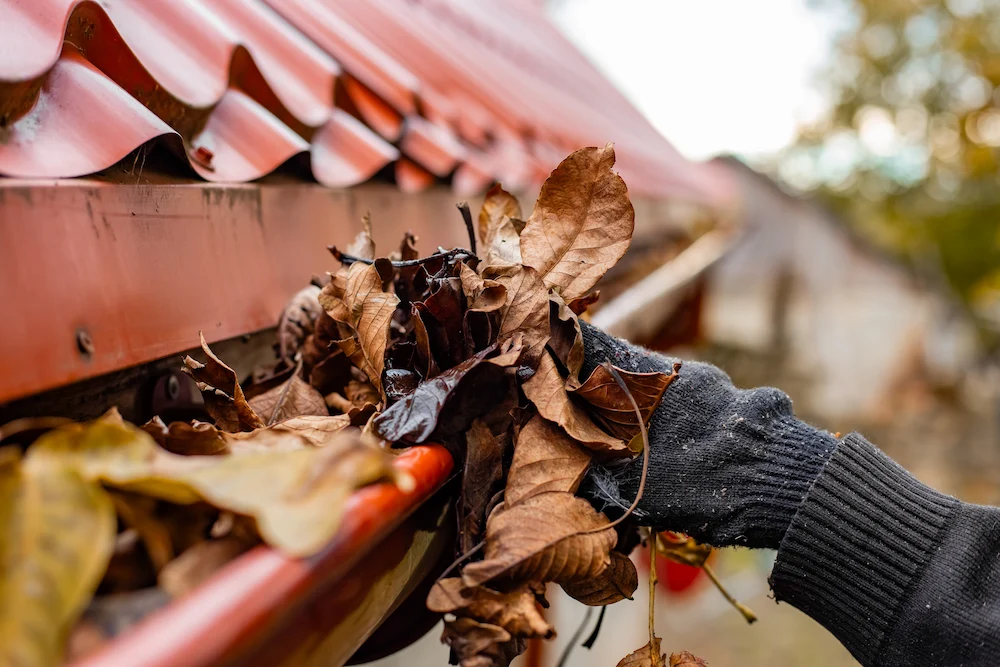
- Clear gutters and fix drainage issues that create standing water.
Working through a list like this in shorter, more frequent sessions fits the unpredictable nature of transitional weather better than a single big push. Checking a few items one weekend and the rest a couple weeks later still gets the job done without requiring an entire day set aside at once, which matters when the weather itself is inconsistent enough to disrupt outdoor plans on short notice.
Clearing gutters, fixing drainage issues, and checking for leaks under sinks all reduce the moisture that draws pests toward a home during this stretch, on top of closing the physical gaps pests use to get inside in the first place.
Watch for Rodents and Stinging Insects Specifically
Rodents become noticeably more active during transitional months as they search for both food and shelter ahead of colder weather. Signs like droppings near the pantry, gnaw marks on stored packaging, or scratching sounds in walls or attics are worth acting on quickly, since rodent populations can grow fast once they find a reliable food and shelter source that goes unaddressed.
A single mouse or rat can squeeze through a gap smaller than a quarter, which means the sealing work done during a transitional month check needs to cover gaps that seem far too small to matter. Utility line penetrations, gaps under garage doors, and cracks near the foundation are all worth a closer look than a quick glance would suggest.
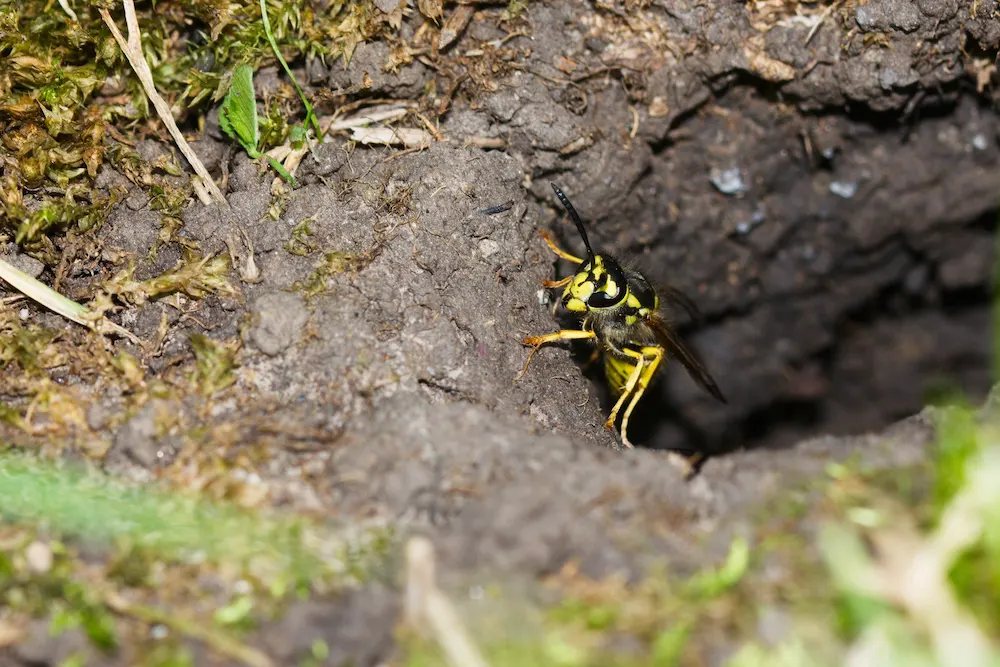
Wasps and other stinging insects often become more aggressive during this same period as colonies reach their largest size of the year and outdoor food sources start to thin out. Checking eaves, sheds, and fence lines for new nest activity, and avoiding sudden movements near any suspected nest, reduces the risk of an unexpected sting. A year-round pest control plan helps address this kind of seasonal shift before it turns into a bigger indoor problem.
Underground yellowjacket nests deserve particular caution during any yard work in a transitional month, since mowing over a hidden entrance or brushing too close while gardening can trigger a defensive response from dozens of workers at once rather than just one or two, especially given how large a colony can grow by this point in the season.
A Realistic Approach to a Shifting Season
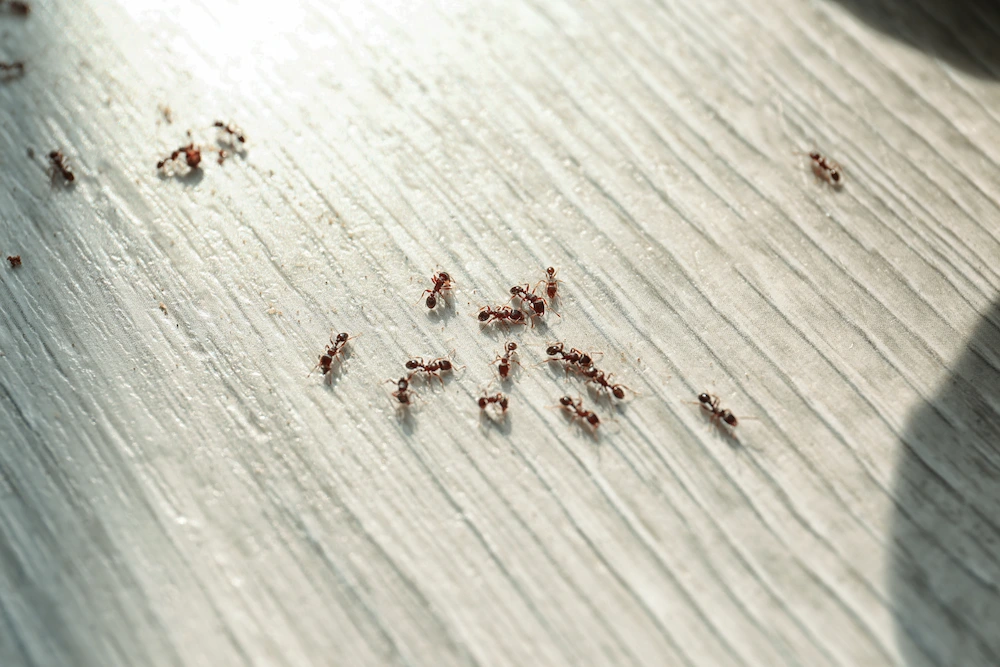
Transitional months do not require a completely different prevention routine than the rest of the year, but they do reward paying closer attention. Small changes, like more ants near a specific window or a rodent dropping that was not there last week, are often the first sign that pests are adjusting their behavior for the season ahead.
This pattern plays out a little differently depending on where you are in the state, since a home near Houston’s humidity deals with different moisture pressure than one further north around Lewisville or Dallas, but the underlying prevention habits stay the same.
Keeping a simple record of what shows up and when, even a quick note after noticing new activity, helps identify a pattern from one year to the next. A household that notices ants trending upward around the same week each September can start sealing gaps a little earlier the following year rather than reacting after the trail has already reached the kitchen.
Prevent Pests During Transitional Months by Staying Ahead of the Shift!
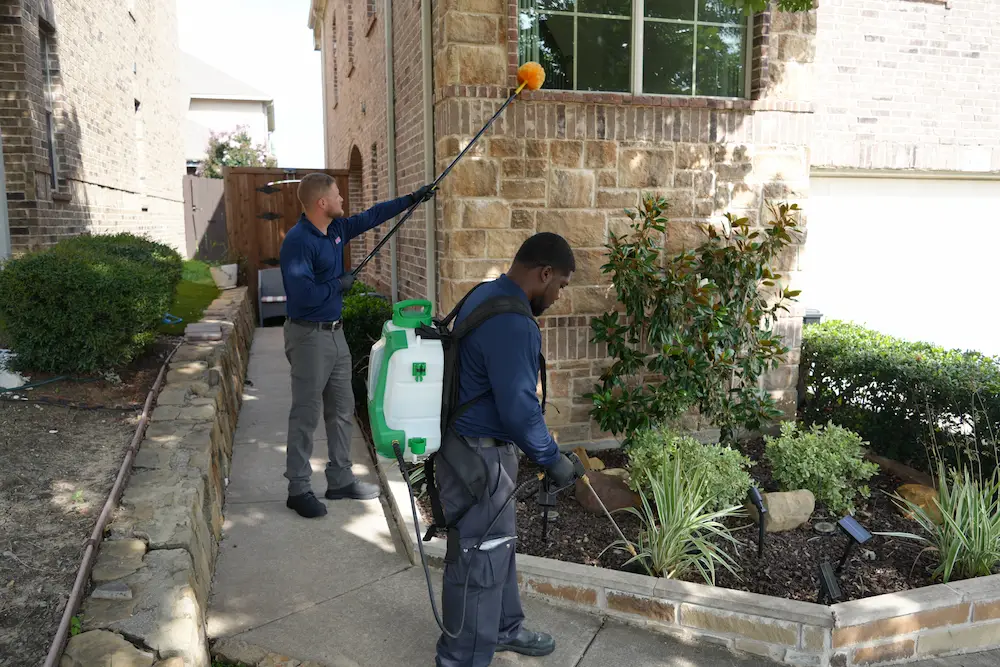
The homes that handle transitional months best are usually the ones that treat this stretch as its own season rather than an extension of summer. A few extra checks now prevent a much bigger cleanup once winter settles in.
This is also a good time to review anything that changed on the property over the summer, like new landscaping, a stored grill, or an unused corner of the yard that started collecting clutter. Any of these can quietly shift what a yard offers pests just as much as the weather itself does, so a fresh look at the whole property is worth more than assuming nothing has changed since spring.
If you are noticing new pest activity as the weather shifts, find your local Romney Pest Control team to help identify what you are seeing and address it before it settles in for the winter.
A visit timed for this transitional stretch tends to catch problems while they are still small and easy to manage, rather than waiting until a more obvious infestation forces the issue once winter has already set in and outdoor access becomes less convenient across the region. Contact us for a free quote on our effective treatments and set up your home for a pest-free fall!
Citations
The importance of end-of-summer pest prevention. (n.d.). Pest Nation. Retrieved September 14, 2026, from https://www.pestnation.com/blog/the-importance-of-end-of-summer-pest-prevention