
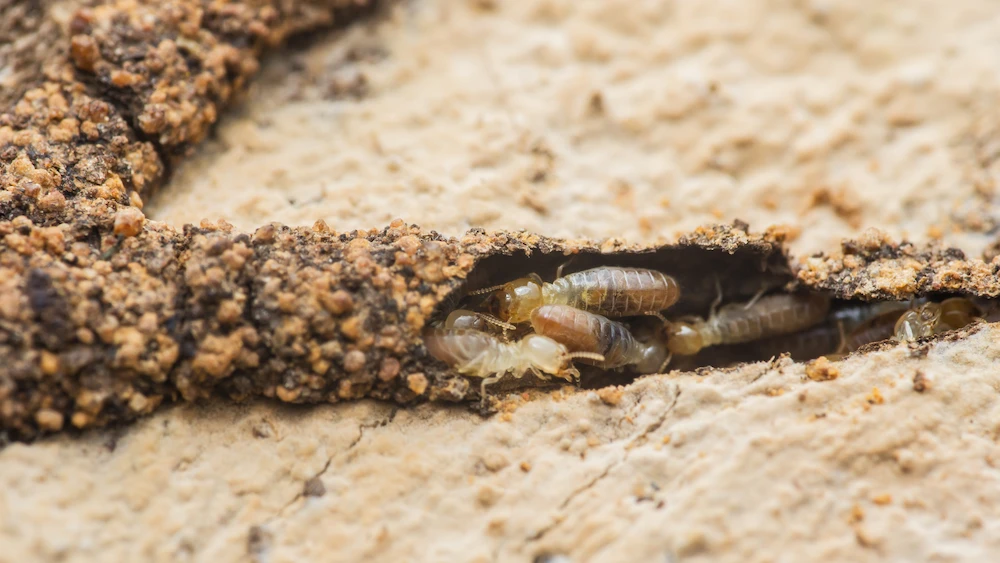
Summary: Formosan termites form much larger colonies and can nest above ground, while Eastern subterranean termites are more dependent on soil contact. This guide compares Formosan vs Eastern subterranean termites and explains why identifying which one is present matters for Texas homeowners.
Texas homeowners dealing with termites are often surprised to learn there is more than one species to worry about. Formosan termites and Eastern subterranean termites both cause real damage across Dallas, Lewisville, and the surrounding areas, but they behave differently enough that knowing which one you are dealing with changes how seriously, and how quickly, you need to respond.
Here is how Formosan termites and Eastern subterranean termites differ, and why Formosan colonies in particular tend to cause faster, more extensive damage.
Colony Size Is the Biggest Difference
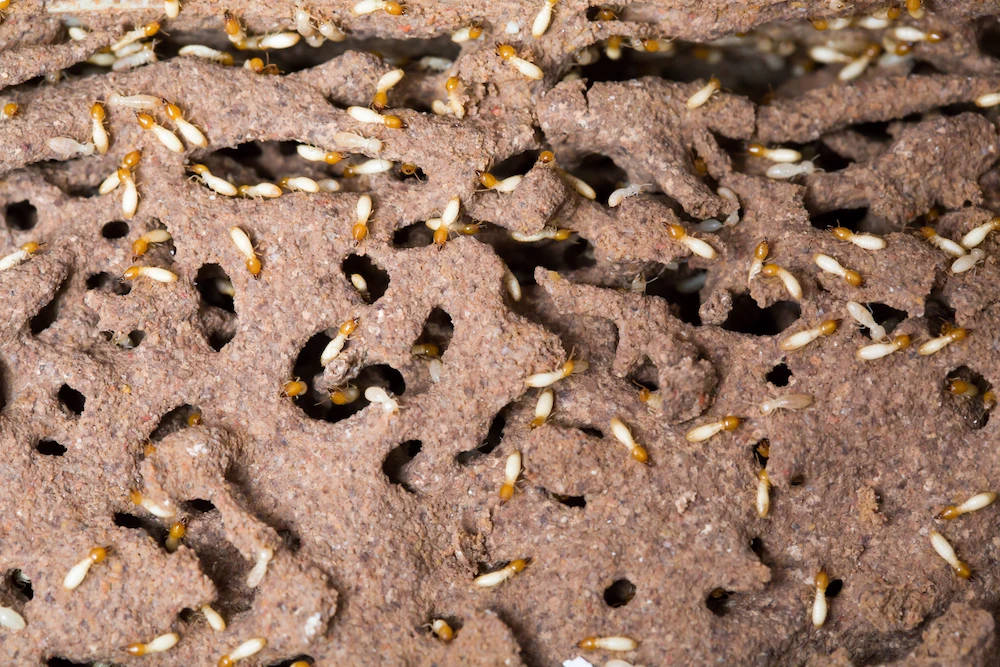
Eastern subterranean termite colonies typically number in the tens of thousands to a few hundred thousand members. Formosan colonies, by comparison, can reach several million termites in a single, mature colony, which is part of why Formosan infestations often cause damage far faster once they take hold. A larger colony means more workers actively feeding at once, so structural damage from Formosan termites can become severe in a much shorter window than damage from an Eastern subterranean colony of similar age.
A mature Formosan colony can consume a pound or more of wood in a single day, a pace that lets it work through structural framing far faster than most homeowners expect. This is part of why a Formosan infestation that goes unnoticed for even a single season can already involve meaningful structural damage by the time it is discovered.
- Formosan swarmers are slightly larger and more uniformly yellowish brown.
- Formosan swarmer wings have fine hairs; Eastern subterranean wings do not.
- Formosan soldiers have oval, teardrop shaped heads; Eastern subterranean soldiers have rectangular heads.
- Formosan swarms tend to occur at night around lights; Eastern subterranean swarms are more common during the day.
How and Where Each Species Builds
Formosan termites
Both species build the mud tubes typical of subterranean termites, but Formosan termites are more likely to construct carton nests, made from a mix of soil, saliva, and wood fiber, entirely above ground inside a wall void or other enclosed space. This means a Formosan colony can sometimes sustain itself without needing continuous contact with soil moisture, unlike a typical Eastern subterranean colony. That ability to establish a nest independent of soil contact is part of what makes Formosan termites harder to fully eliminate once they are established in a structure.
A carton nest can retain enough moisture on its own to keep a colony active even if the connection back to the soil is disrupted, which is part of why simply treating the soil around a foundation is not always enough to fully resolve a Formosan infestation once a nest has become established above ground.
Eastern subterranean termites
Eastern subterranean termites are native to Texas and much of the southeastern United States, making them the more common species overall. Formosan termites are an invasive species originally introduced through international shipping, but they have established strong populations across parts of Texas, particularly around Houston and other areas with warm, humid conditions similar to their native range. Both species thrive in the moisture and warmth Texas summers provide, which is why termite pressure across the state stays high for much of the year rather than dropping off seasonally the way it does farther north.
Formosan populations have continued spreading further inland from their original coastal points of entry over the past several decades, which means areas that saw little Formosan activity a generation ago, including parts of North Texas, are seeing more of it today. This spread is worth keeping in mind even for homeowners who assume Formosan termites are strictly a Gulf Coast concern.
Signs of Either Species and Why It Matters
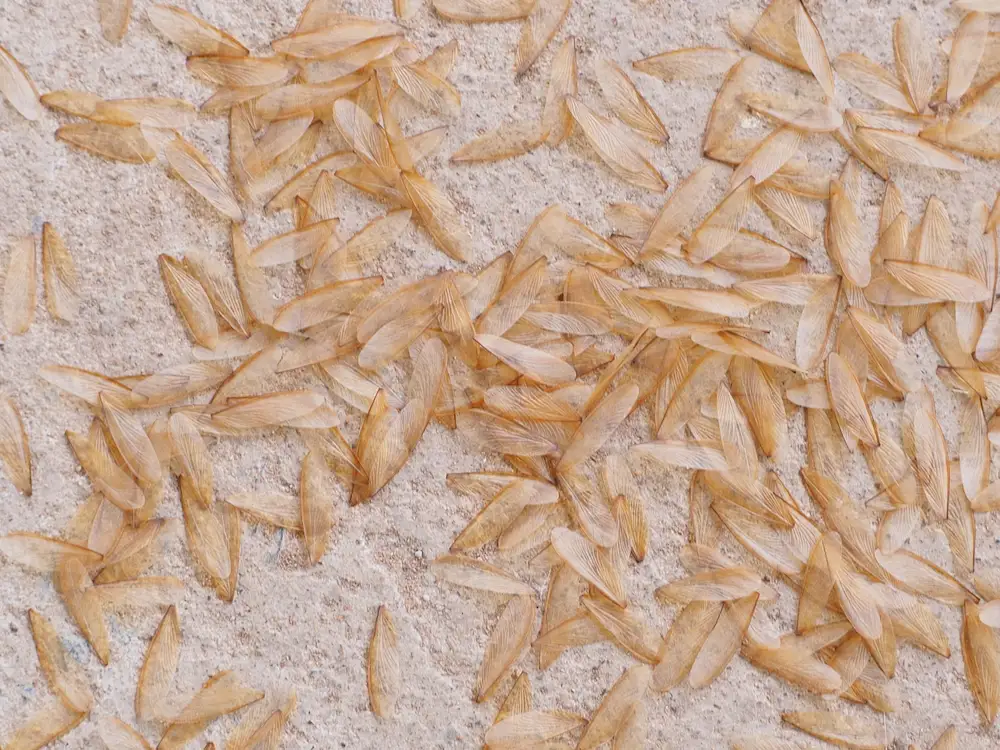
Regardless of species, the warning signs homeowners should watch for are largely the same: mud tubes along foundation walls, discarded swarmer wings near windows and doors, wood that sounds hollow when tapped, and paint that appears to be bubbling or sagging. A termite control services inspection can identify which species is present, since treatment approaches sometimes differ based on how a colony is nesting and feeding.
Because Formosan colonies can grow so much larger and may nest above ground, a treatment plan built around typical subterranean termite behavior will not always address a Formosan infestation fully. Knowing which species is active helps determine whether soil treatment alone is sufficient or whether additional above ground treatment is needed, which is why species identification is worth doing before deciding on a treatment approach rather than after.
Protecting Your Home From Both Species
Reducing wood to soil contact around the foundation, fixing moisture issues promptly, and keeping mulch away from exterior walls all help limit conditions both species rely on. Given how much damage either species can cause before becoming visible, a proactive inspection is far less costly than dealing with an established colony later.
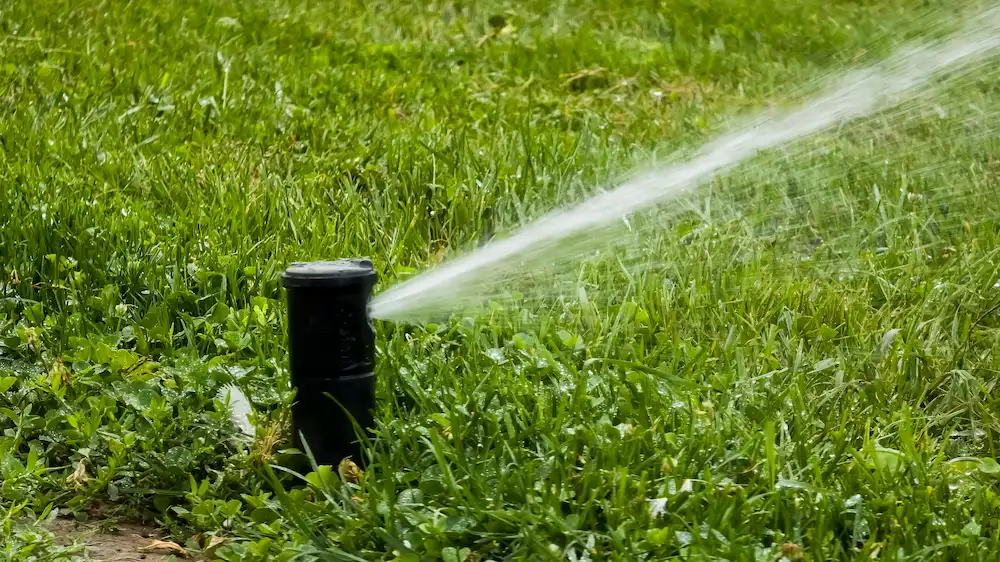
Irrigation and sprinkler systems deserve a specific check as well, since a system that regularly wets the foundation or nearby mulch beds creates exactly the kind of consistent soil moisture subterranean termites of either species rely on to travel and feed. Adjusting sprinkler heads that spray directly against the house removes one of the more overlooked contributors to termite pressure and is often a quick fix once identified.
This is true whether your property sits closer to San Antonio, Lewisville, or anywhere else we serve across Texas, since both species are established broadly enough across the state that no area is entirely safe from either one.
Know What You Are Dealing With Before It Spreads
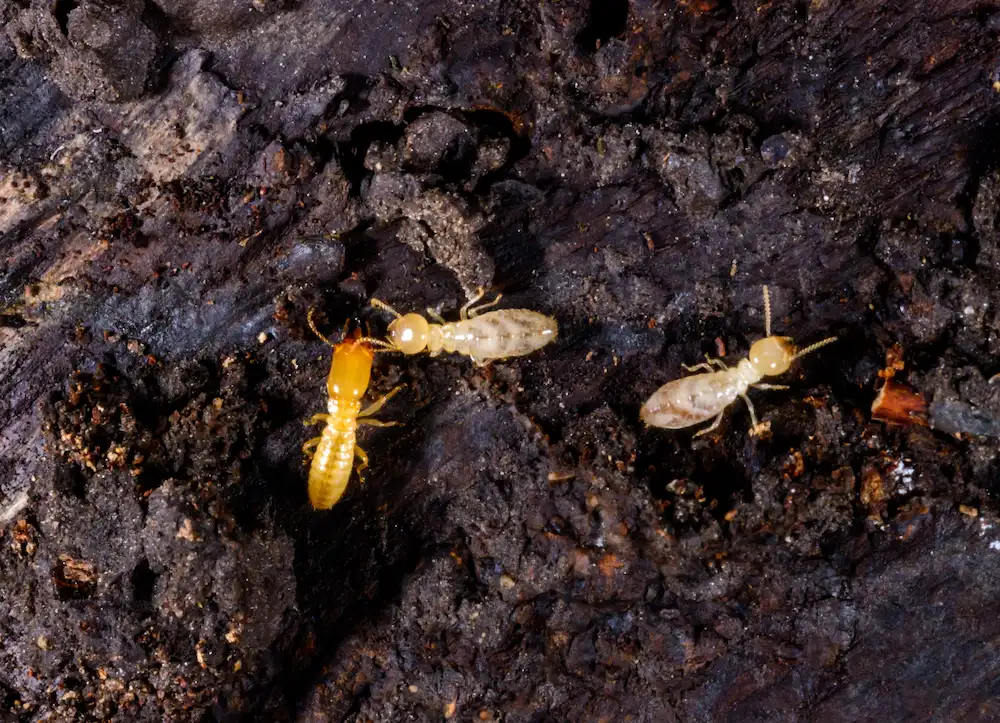
A termite colony rarely announces itself until damage has already started, and Formosan colonies in particular can grow large enough to cause serious structural issues before most homeowners notice anything wrong. Getting the species identified early changes how the problem gets treated and how urgently it needs attention.
Homeowners who have not had a termite inspection in several years are at the greatest risk simply because there has been more time for a colony, of either species, to establish itself without detection. A fall inspection is a reasonable point to fold this into an existing seasonal routine rather than treating it as a separate task that keeps getting pushed back.
If you suspect termite activity on your property, find your local Romney Pest Control team to determine what you are dealing with and what needs to happen next.
Formosan vs Eastern Subterranean Termites: Still No Match for Romney!
Getting an accurate species identification up front saves time and money in the long run, since it avoids the back and forth of trying one treatment approach, seeing it fail to fully resolve the issue, and then having to start over with a different plan months later, all while the colony continues feeding in the meantime. For a free quote on our professional termite services, contact us today!
Citations
Formosan termites vs subterranean termites: Identification guide. (n.d.). Hoffer Pest Solutions. Retrieved September 11, 2026, from https://www.hofferpest.com/blog/2025/february/formosan-termites-vs-subterranean-termites-ident/