
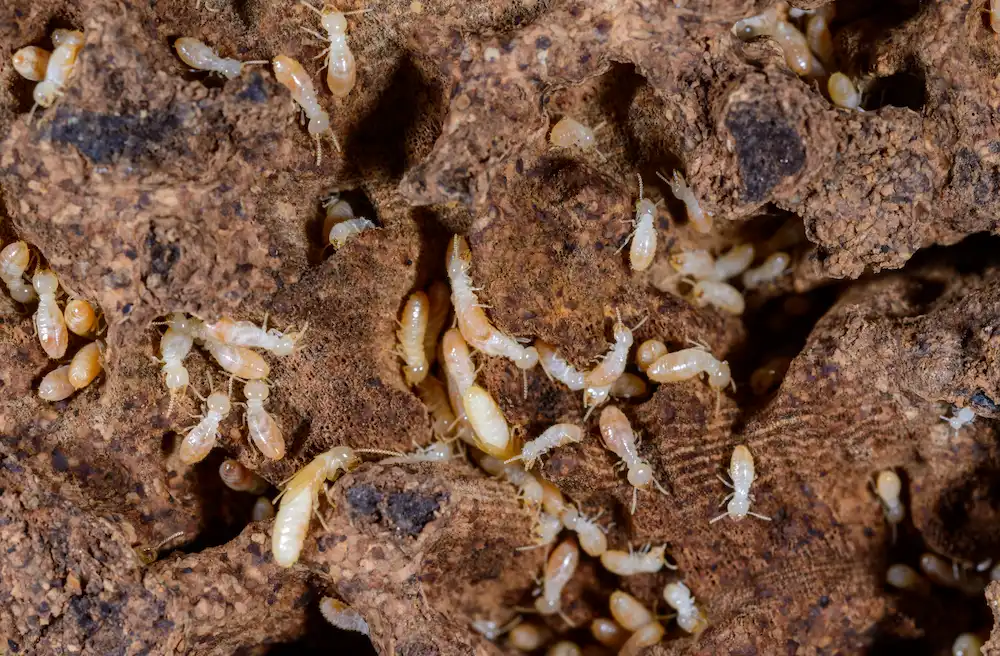
Summary: An educational guide explaining how termites form colonies and build nests in soil and wood, plus practical steps homeowners can take to reduce risk.
Termites do not just wander into a house and start chewing at random. They build homes. The “home” might be hidden underground, tucked inside a wall stud, or both at once, but it is always designed to protect the colony and feed it 24/7.
If you have ever wondered how termites build their nests, the short answer is that they use moisture, shelter, and teamwork to turn soil or wood into a protected highway system. Knowing how those nests form makes it easier to spot risk factors around your property before damage gets expensive.
Termites are Builders First, Pests Second
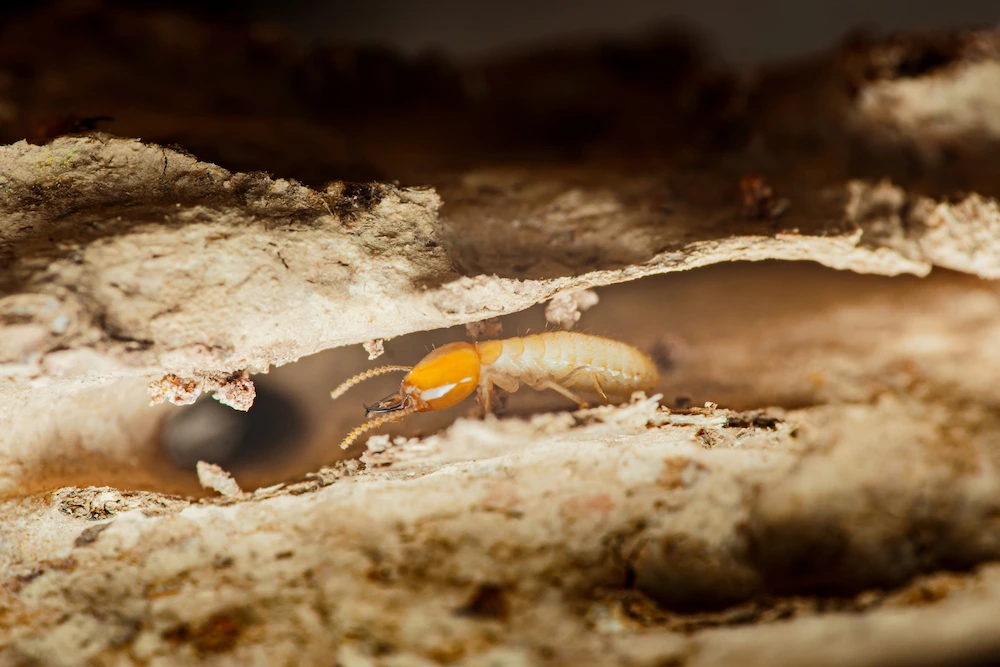
A termite colony is basically a construction crew with a single goal: protect the queen and keep food flowing. Workers do most of the building, soldiers guard the passages, and reproductives handle expansion when conditions are right. That division of labor is why termite activity can seem quiet until it suddenly is not.
The building material depends on the species and the environment. In Texas, subterranean termites are a common concern, so a lot of the action happens below ground and along the foundation. But termites can also establish themselves inside structural wood, especially when moisture is involved, which is why homeowners sometimes miss the early stages.
How Termite Colonies Form
Most infestations begin with a swarm. Reproductive termites leave an existing colony, land, and look for a damp, protected spot. If they find it, they shed their wings, pair up, and start a new family. That first stage is small and easy to overlook, which is exactly why routine inspections matter.
As the colony grows, the first infrastructure is simple: tiny chambers for the queen and eggs, plus small tunnels to reach food. Over time, the tunnels branch out like a subway map. This is when you start seeing the bigger signs, like mud tubes, hollow-sounding wood, or areas that feel soft behind paint.
Termite Nests in Soil: The Underground Headquarters
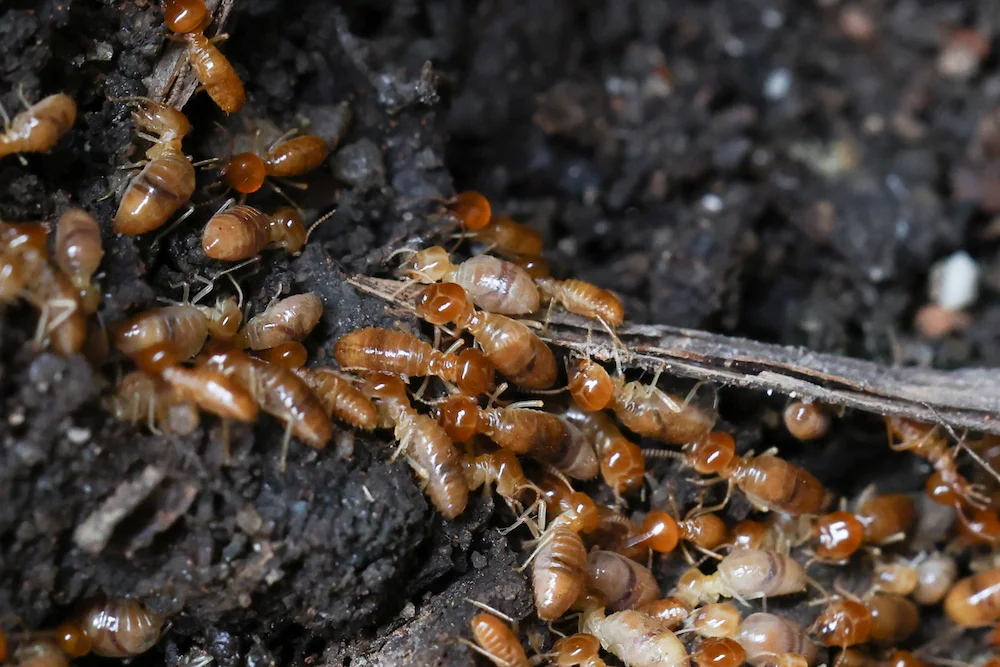
When people picture a termite nest, they often imagine a big mound. That can happen in some parts of the world, but termite nests in soil around homes are usually more like an underground network. The colony lives below the surface where humidity stays stable, predators are limited, and temperatures are less extreme.
The colony uses soil, saliva, and droppings to create smooth, protected passageways. These tunnels help termites move without drying out. Subterranean termites need moisture to survive, so the soil nest is a safe base that keeps them from being exposed to open air for long.
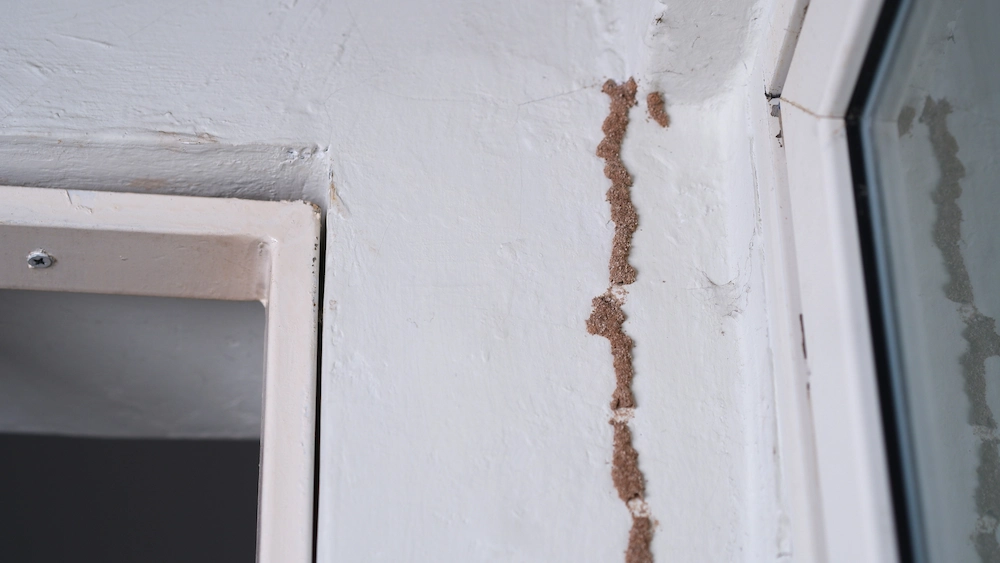
Once the underground system is established, termites often create mud tubes to travel above ground. These tubes can run up a slab edge, along a pier, or behind siding. They might look like small dirt veins, but they are actually protective highways that connect the soil nest to the wood they want to eat.
Here are a few common reasons soil nests get established near homes:
- Consistent moisture around the foundation from drainage issues or irrigation
- Wood-to-soil contact, like fence posts, siding, or landscaping timbers touching dirt
- Hidden food sources such as old stumps, mulch piles, or buried wood scraps
If you are in a high-risk area, the safest move is to schedule a professional inspection and consider a long-term plan like Romney’s termite control services.
Termites Living in Wood: When the Nest is Inside the Structure
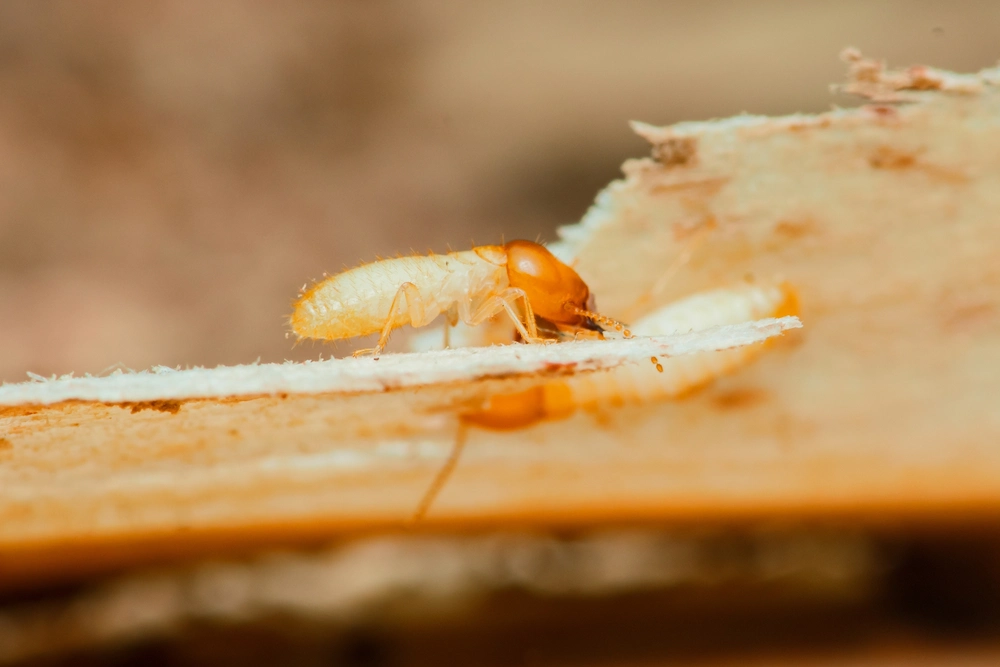
Subterranean termites typically return to the soil for moisture, but they can still spend a lot of time inside wood once they have a protected route. In addition, some termite types are better adapted to drier conditions, which is one reason termites living in wood are such a headache for homeowners.
Inside the structure, termites prefer areas that stay dark, quiet, and slightly damp. That is why they show up around bathrooms, kitchens, laundry rooms, and any place with a leak that has gone unnoticed. Even small moisture problems can soften wood fibers, making them easier to consume and easier to tunnel through.
As they feed, termites carve galleries that follow the grain. From the outside, wood can look normal until it is thin like cardboard on the surface. You might notice paint that bubbles, trim that crumbles when pressed, or doors that suddenly stick because the wood frame is warping.
What Nests in Wood Actually Look Like
Termites do not build a nest in wood the same way a bird builds a nest. Think of it as a connected living space: chambers for raising young, storage areas, and travel routes that keep workers moving between food and moisture. Their nesting behavior is all about efficiency and protection, not comfort.
In some situations, termites can establish secondary nests above ground if there is enough moisture available. That can happen in wall voids with plumbing leaks or in areas with persistent condensation. When that occurs, the infestation can spread faster because the termites do not have to travel back to the soil as often.
Habitat and Nesting Behavior: Why Termites Choose Certain Homes
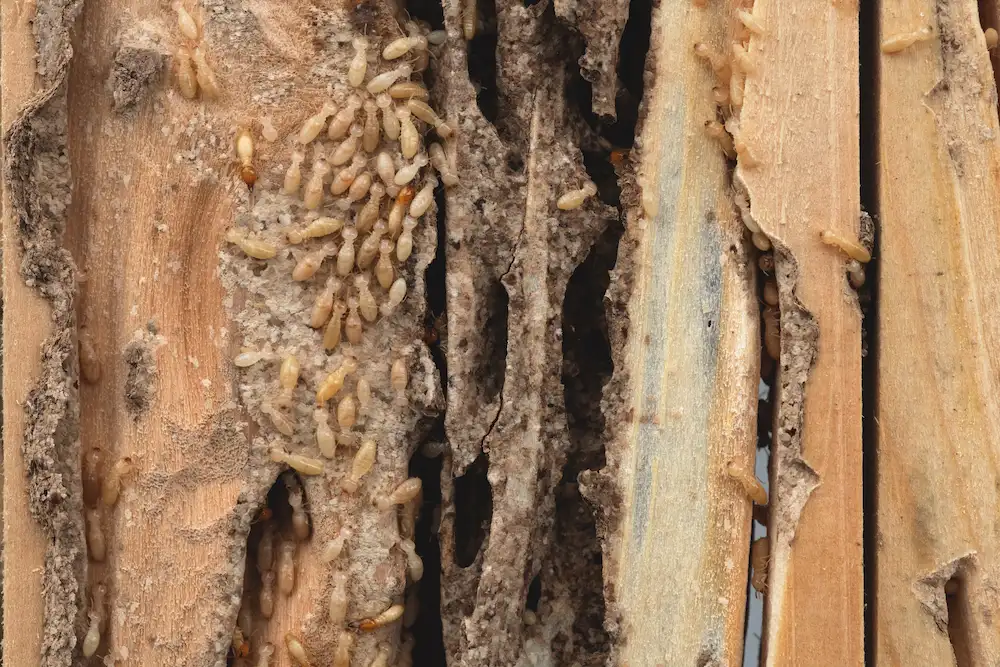
Understanding termite habitat and nesting behavior starts with one key fact: termites are driven by moisture and cellulose. Cellulose is the main component of wood, cardboard, and many plant materials. Moisture keeps termites from drying out and helps them process food.
That is why certain property conditions increase risk. Poor drainage, thick mulch against the foundation, and wood debris in the yard can all create the perfect staging area. Even a well-maintained home can be vulnerable if it has hidden moisture or untreated entry points.
A practical example is a neighborhood with lots of irrigation and shaded landscaping. The soil stays damp, the temperature stays moderate, and termites can travel more comfortably. If you want a local, property-specific plan, it helps to work with a team that understands Texas conditions, whether you are in DFW, Houston, or the San Antonio and Austin area.
Preventing Termite Infestations in Homes Starts with Moisture and Access
The goal of preventing termite infestations in homes is not to outsmart termites. It is to make the environment less inviting and to catch problems early. You do not need to overhaul your entire property, but you do need consistent habits that reduce moisture and eliminate easy entry points.
Start with the basics, especially if your home has had plumbing issues or you have areas that stay humid. Focus on gutters and drainage first, then move to the structure itself. The sooner you remove the conditions termites like, the harder it is for a colony to grow unnoticed.
A simple prevention checklist looks like this:
- Fix leaks quickly and keep crawl spaces and attics properly ventilated
- Keep mulch and soil a few inches below siding and trim
- Store firewood off the ground and away from the house
- Seal cracks where utility lines enter the home and repair damaged caulk
If you want help narrowing down the biggest risk factors for your neighborhood, Romney’s local teams can help. For example, homeowners looking for ongoing protection can learn more about pest control in Lewisville, TX.
When to Call a Professional
DIY prevention is worthwhile, but termites are not the kind of pest you want to wait and see with. Once a colony is established, the damage can build quietly behind walls and under floors. A trained technician knows where to look, how to confirm activity, and what treatment approach fits the home.
If you have seen mud tubes, found discarded wings near windows, or noticed suspicious wood damage, it is time for an inspection. Even if it ends up being a false alarm, you will have peace of mind and a clearer plan for protecting the structure.
Protect Your Home the Smart Way
Termites are impressive builders, but their construction projects do not belong in your house. Understanding nests in soil and nests inside wood helps you spot risk factors early and respond before the colony gets comfortable.
If you suspect activity or want long-term protection, contact Romney Pest Control for an inspection and a treatment plan designed for your property. Enjoy the peace of mind that comes with Romney’s termite prevention!
Citations
Types of termite nests. (n.d.). Orkin. Retrieved February 12, 2026, from https://www.orkin.com/pests/termites/colony/termite-nests