
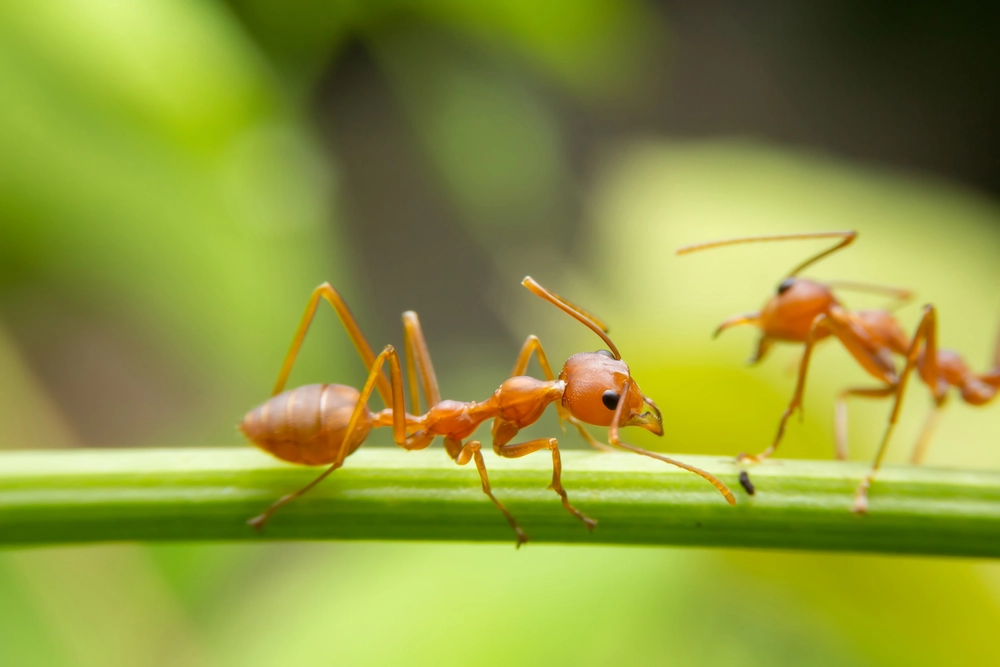
Summary: An educational guide explaining what fire ants eat, why they are omnivores, and how their feeding habits influence infestations around homes.
Fire ants are known for their painful stings and aggressive behavior, but their success as a species comes from something else as well. Their ability to eat a wide variety of foods allows colonies to survive in many environments. This flexibility is one reason they frequently appear around homes, yards, and outdoor spaces.
Many homeowners wonder what do fire ants eat when they notice them gathering near trash bins, pet bowls, or outdoor dining areas. Fire ants are highly adaptable feeders, and their diet can include both plant and animal materials. Because they are opportunistic, they will take advantage of almost any available food source.
Are Fire Ants Omnivores?
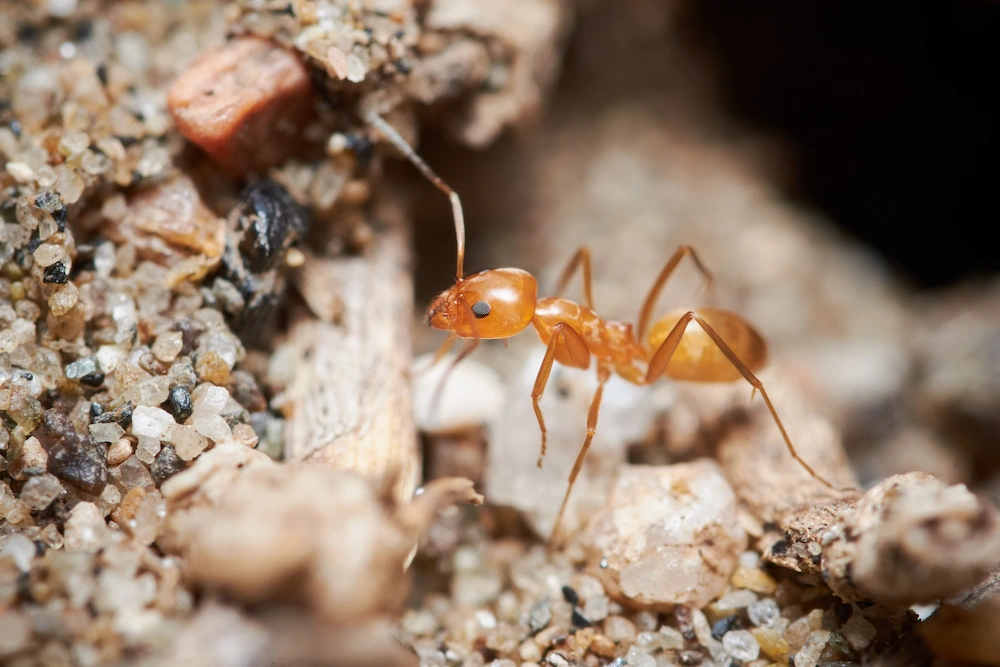
A common question people ask is are fire ants omnivores, and the answer is yes. Fire ants eat both plant based and animal based foods, which helps colonies thrive in a wide range of environments. This omnivorous feeding behavior allows them to quickly adjust to changes in food availability.
Worker ants constantly search for resources and bring food back to the colony. Once they discover a reliable source, they leave scent trails that guide other workers to the same location. This system allows a colony to collect large amounts of food in a short amount of time.
Because their diet is so flexible, fire ants can survive even when conditions change. If one food source becomes scarce, they simply shift their focus to another available option nearby.
Fire Ant Diet: A Wide Range of Foods
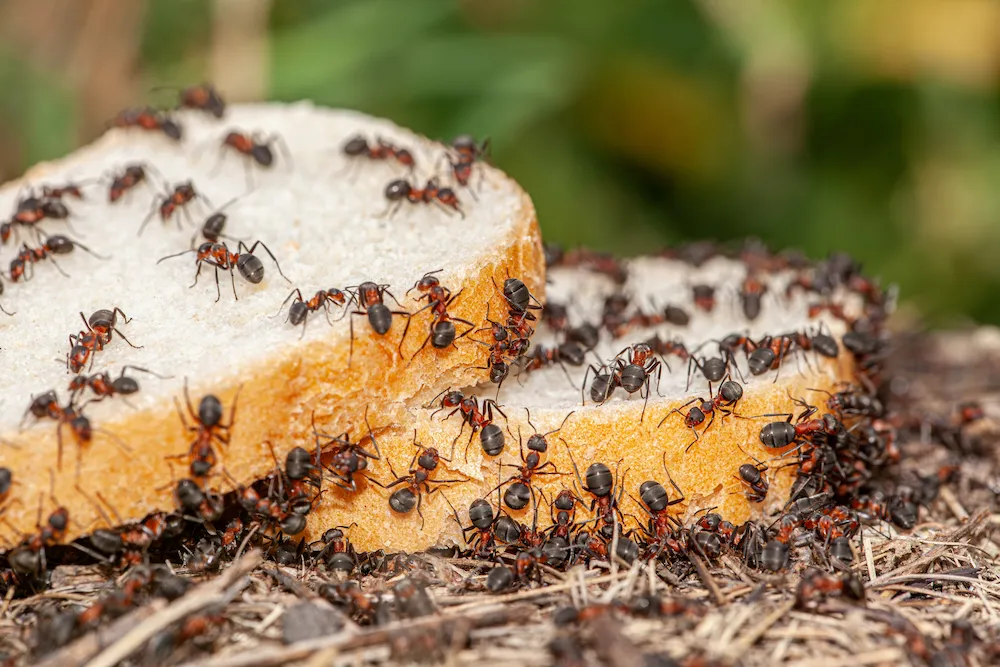
The typical fire ant diet includes carbohydrates, protein, and fats. Adult ants often prefer sugary foods because they provide quick energy for foraging and colony activity. Meanwhile, larvae need protein rich foods to support growth and development.
Fire ants obtain food from both natural environments and human activity. In gardens and yards they may feed on insects, plant material, or seeds. Around homes they may target crumbs, garbage, or pet food left outdoors.
Some of the most common fire ants food sources include:
- Small insects and arthropods
- Seeds and plant material
- Sweet liquids such as nectar or spilled drinks
- Greasy or protein rich human food scraps
Even small amounts of food can attract a large number of worker ants, especially if the colony is nearby.
What Food Attracts Fire Ants Around Homes
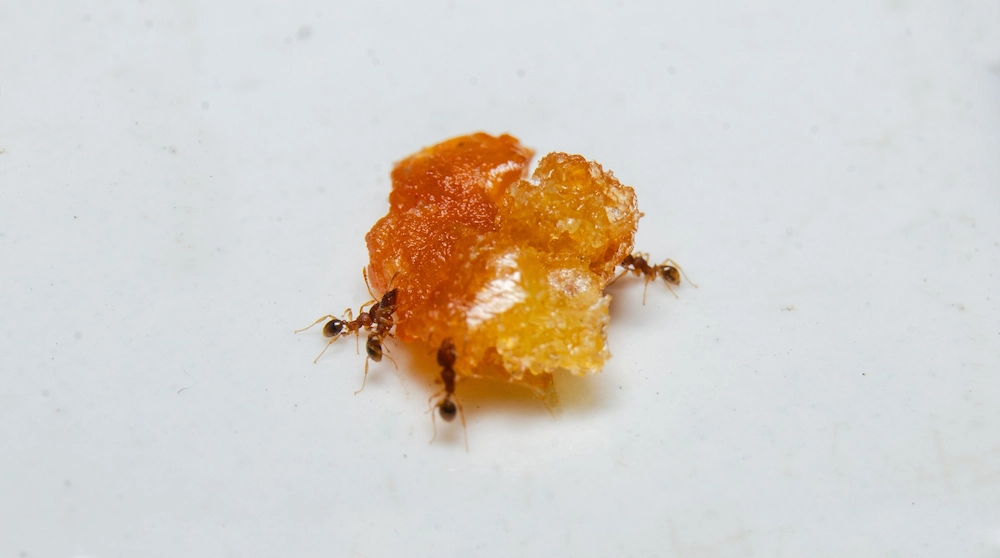
Understanding what food attracts fire ants can help homeowners reduce ant activity around their property. Fire ants are especially drawn to sugary substances because carbohydrates give workers quick energy.
Sweet drinks, fruit residue, and even plant nectar can quickly attract a trail of ants. Once a colony finds a consistent food source, workers will repeatedly return to the same location.
Protein based foods are also important because they support developing larvae. Fire ants frequently collect dead insects, meat scraps, and pet food. Outdoor cooking areas, garbage containers, and feeding bowls can easily become gathering spots for foraging ants.
What Do Fire Ants Feed On in Nature
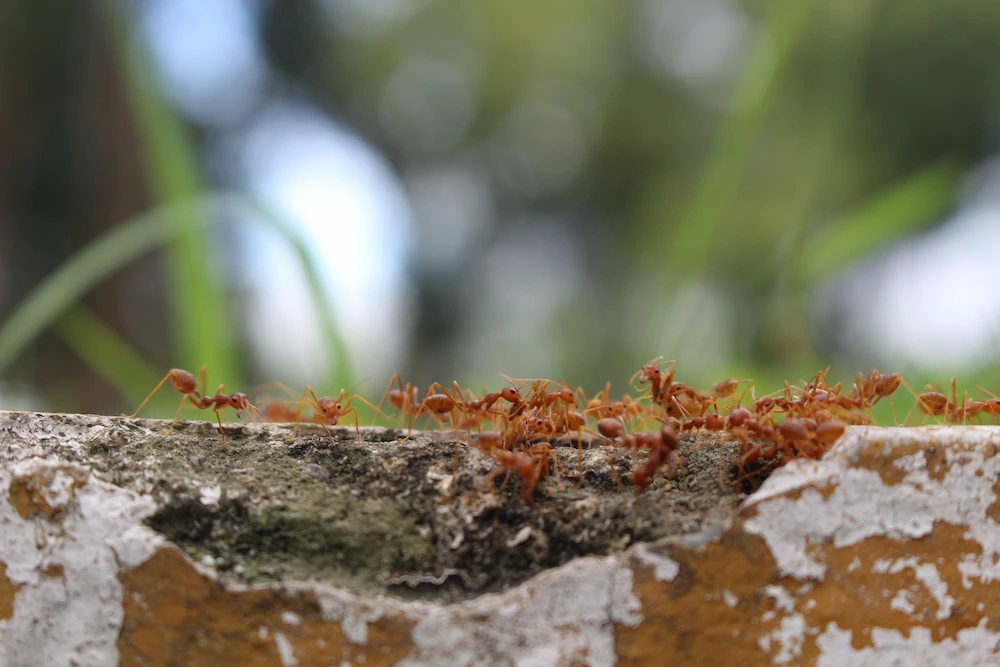
In natural environments, what do fire ants feed on often depends on what is available nearby. Fire ants commonly prey on insects and other small arthropods, which provide essential protein for the colony.
They may also consume seeds, plant sap, and honeydew produced by other insects such as aphids. These sugary substances supply the energy workers need to continue searching for food.
Fire ants are also known to scavenge. They may feed on dead animals or organic debris found in soil or vegetation. This behavior allows them to use many different food sources when resources are limited.
How Food Sources Influence Infestations
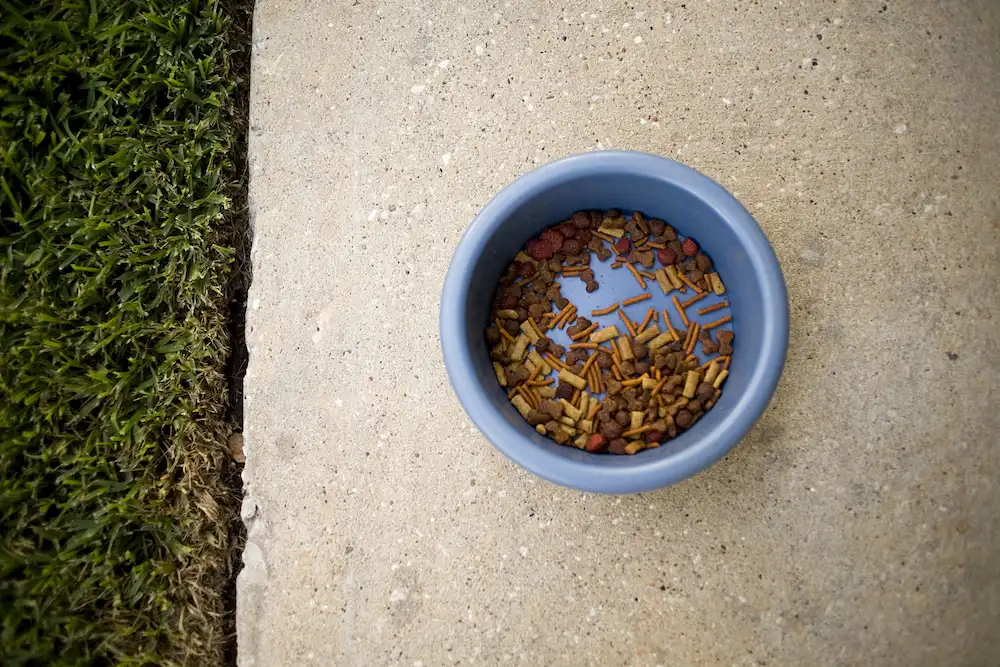
The variety of fire ants food sources is one reason infestations can develop quickly around homes. When food is easily available, colonies may establish nests nearby and send workers out to forage daily.
Landscaping, outdoor trash, and pet feeding areas can all contribute to ongoing ant activity if they are not properly managed. Over time, reliable food sources encourage colonies to remain in the area.
Homeowners who want to reduce ant activity should focus on limiting access to food. Basic sanitation and outdoor maintenance can make a significant difference in discouraging colonies from settling nearby.
A few helpful prevention steps include:
- Cleaning up spilled food and drinks outdoors
- Keeping garbage containers sealed
- Bringing pet food indoors when possible
- Removing fallen fruit or food debris from the yard
These simple habits can make your property less attractive to foraging ants.
When Professional Help Is Needed
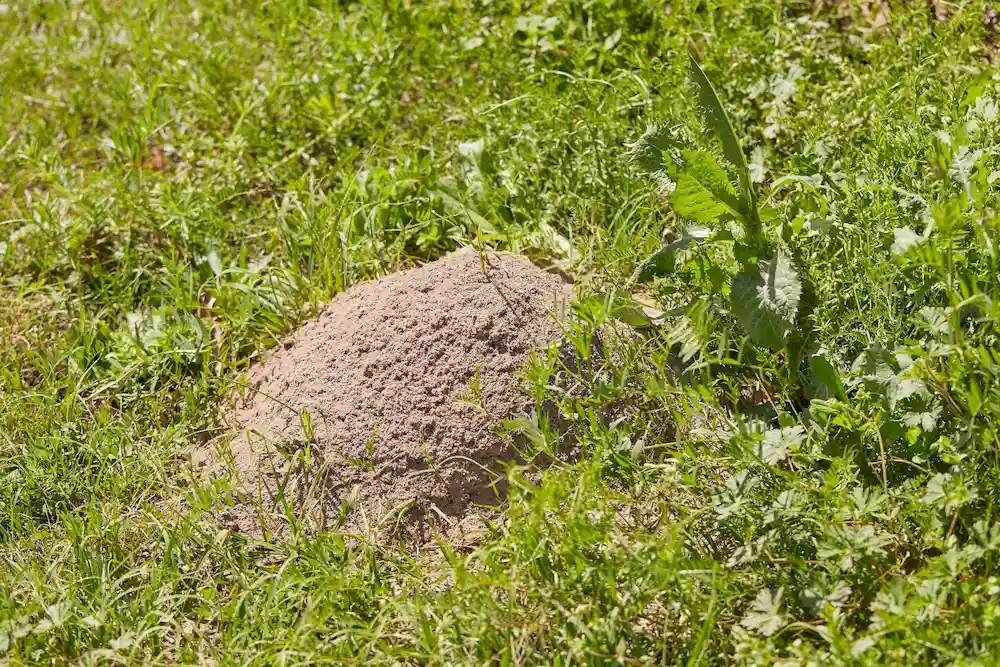
Even when food sources are managed carefully, fire ant colonies may still appear in yards or landscaped areas. Their nests are often hidden underground, protecting the queen and allowing the colony to survive many disturbances.
Professional pest control treatments are designed to target the entire colony instead of just the ants that are visible. This approach helps eliminate the nest and prevents the colony from quickly rebuilding.
If fire ants continue to appear around your property, a professional inspection can identify nests and determine the best treatment plan.
Final Thoughts
Understanding what do fire ants eat helps explain why these pests are so persistent. Their omnivorous feeding habits allow them to survive on a wide variety of foods, from insects and seeds to sugary drinks and human food scraps.
Reducing accessible food sources and maintaining a clean outdoor environment can help discourage fire ant activity. When colonies become established, professional pest control provides the most reliable way to eliminate the problem and protect your property. Contact us for a free quote on our effective ant control services today!
Citations
What do fire ants eat?. (n.d.). Fire Ant Specialists. Retrieved March 13, 2026, from https://fireantspecialists.com/resources/what-do-fire-ants-eat.html