
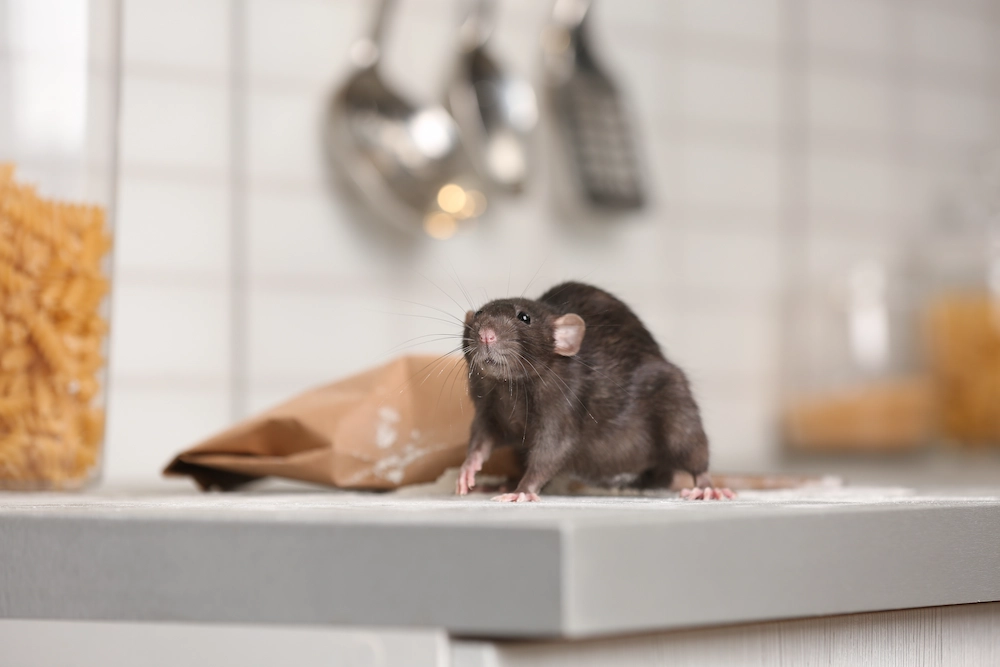
Summary: This article focuses on practical, homeowner-friendly strategies for Texas rodent prevention in local homes. It covers food storage, clutter reduction, exclusion methods, and seasonal habits that reduce rodent pressure year-round while positioning professional support as a next step when DIY efforts fall short.
Rodents do not need an invitation to move in. In Texas, they only need a snack, a hiding spot, and a gap the width of a pencil. If you have ever found chewed packaging in the pantry or heard scratching in the walls at night, you already know how quickly a small issue can turn into a full-blown headache.
This guide breaks down the practical habits that make the biggest difference for Texas rodent prevention, especially in busy homes where kids, pets, and daily life create plenty of opportunities for pests to sneak in.
Why Rodents Keep Showing Up in Texas Homes
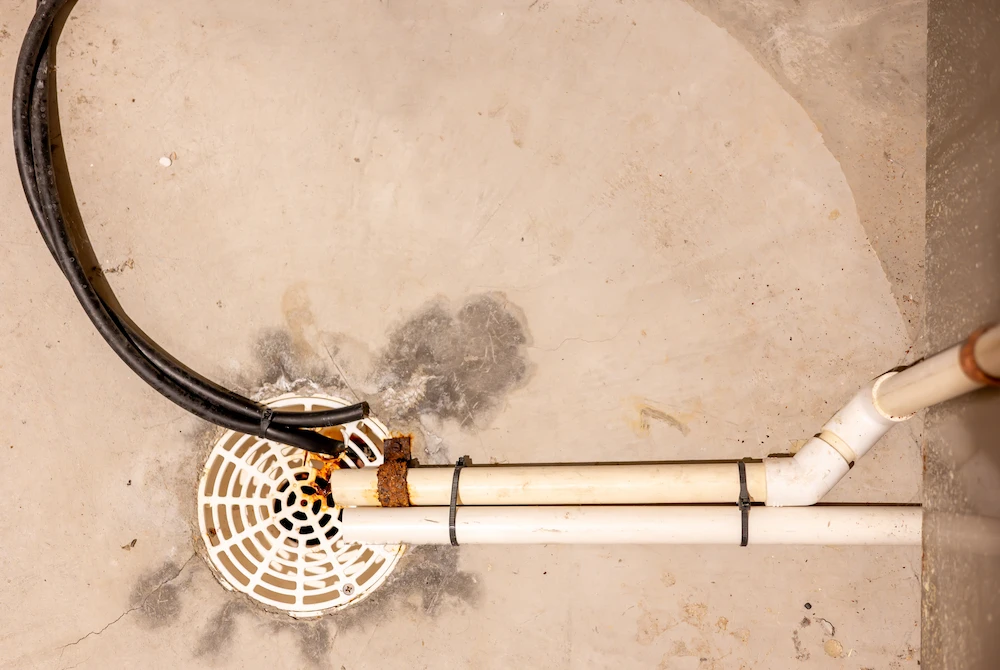
Texas weather pushes rodents to adapt fast. When it is hot and dry outside, they look for reliable water sources like condensation lines, drip pans, and pet bowls. When we get sudden temperature swings or heavy storms, attics, garages, and wall voids become the safest “indoors” they can find.
It also helps to remember what rodents are good at. Rats and mice are strong climbers, fast breeders, and persistent chewers. If a home offers consistent food and shelter, they will keep returning until those two things are harder to find.
Protect Food First: The Fastest Way to Cut Off the Welcome Mat
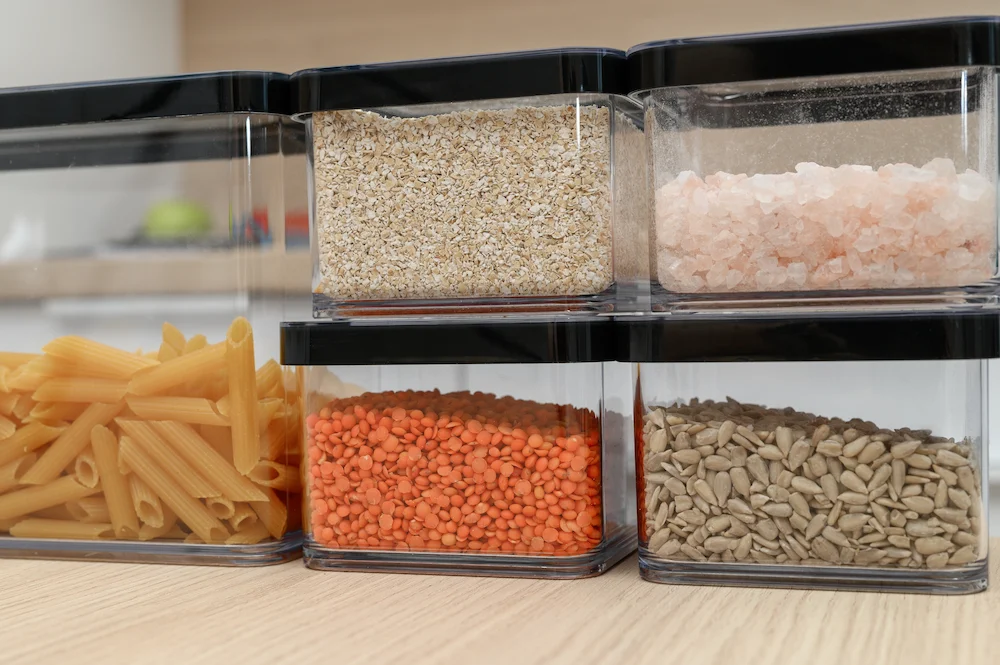
If you want to protect food from rodents, focus on the areas where crumbs and packaging add up without you noticing. Kitchens are obvious, but pantries, garages, utility rooms, and even couch cushions can be problem spots, too. Rodents are not picky, and they can chew through paper and thin plastic to get what they want.
Start by choosing storage that does not give them an easy win. Airtight containers make a bigger difference than most people expect because they remove both the scent and the access. They also make it easier to spot activity, since droppings or chew marks stand out around clean, sealed shelves.
Here are a few food-focused moves that pay off quickly:
- Move dry goods (pet food, cereal, baking supplies) into thick containers with tight lids.
- Clean under appliances and inside the toaster area where crumbs build up.
- Keep trash in a can with a closing lid and take it out regularly.
Reduce Clutter to Stop Rodents From Settling In

Rodents love undisturbed areas because they can build nests without getting bumped. That is why garages, storage closets, and attic corners are so common for activity. If you need to reduce clutter to stop rodents, the goal is not perfection. It is creating visibility and reducing hiding places.
Cardboard is a big offender. It holds warmth, it absorbs odors, and it gives rodents a ready-made nesting material. Swapping boxes for clear plastic bins does two things at once: it removes nesting material and helps you spot droppings or gnaw marks early.
This is also where routine helps. A quick reset once a month is often more effective than a huge clean-out once a year. If you can see the floor, keep items a few inches off the ground, and avoid piles pressed against the wall, you make the space far less comfortable for nesting.
Rodent Proofing Your Home: Seal the Spots They Actually Use
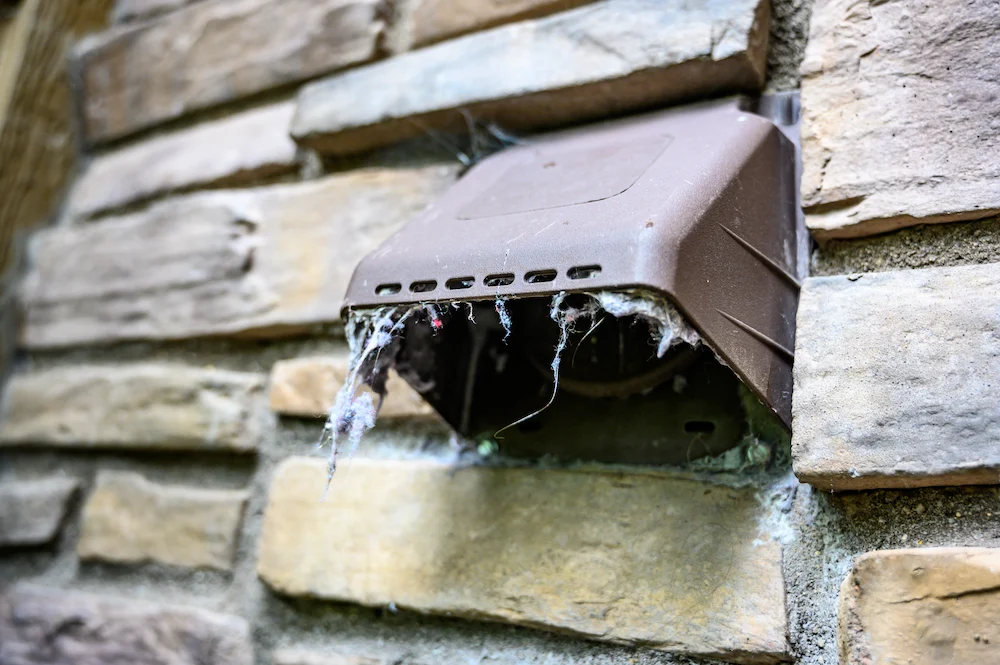
Most homeowners seal the “big” gaps and miss the small ones that matter. For rodent proofing your home, focus on the routes rodents use to stay hidden: along edges, behind appliances, and through utility penetrations. If you can slide a pencil into a gap, a mouse might be able to slide in, too.
Walk the exterior first. Check around hose bibs, AC lines, dryer vents, garage door corners, and the foundation where the siding meets concrete. Then move inside and inspect under sinks, behind the stove, around the water heater, and near the washer and dryer hookups.
A few materials work better than others for long-term results. Use quality sealant for cracks, and use rodent-resistant barriers (like metal mesh) around larger openings. If you are unsure what to use in a specific spot, that is a good time to get a professional inspection, because sealing the wrong way can trap moisture or still leave a chewable edge.
Outdoor Habits That Keep Rodents From Getting Close
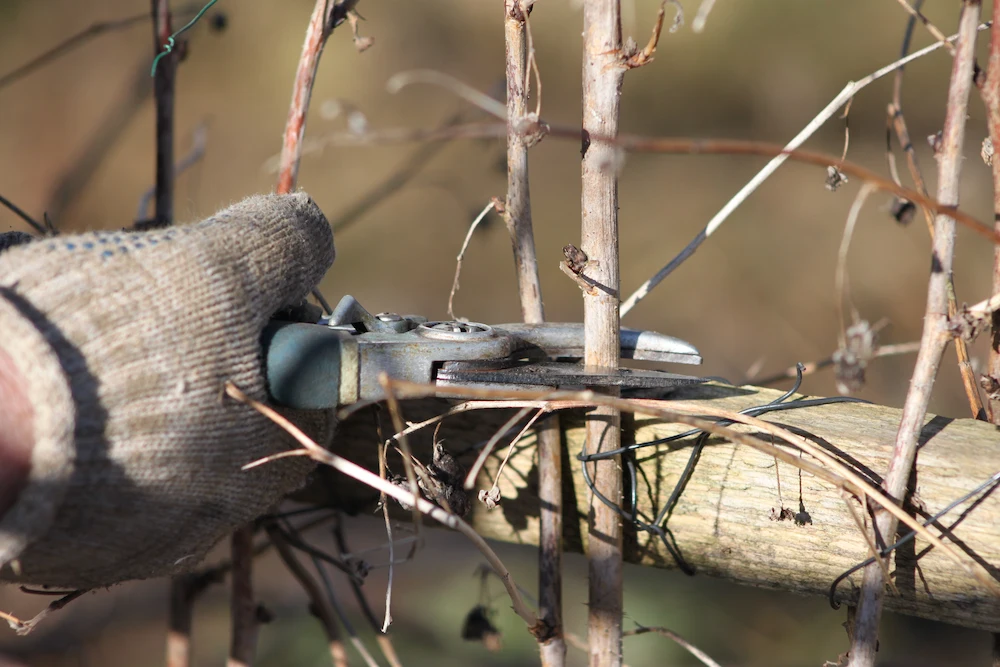
Rodent problems often start outside and move in. That is why “inside only” prevention can feel like it works for a week and then falls apart. If you want to prevent rodents in Texas homes, treat the yard like the first line of defense.
Trim vegetation away from the house and keep branches from touching the roofline. Rodents use these like bridges. Also, avoid storing firewood right against the home. Wood piles offer shelter, and they attract insects, which can become another food source that keeps rodents nearby.
Keep an eye on pet and bird feeding areas, too. Spilled seed, outdoor bowls left overnight, and unsecured compost can all keep rodents coming back. If you want to feed birds or outdoor pets, just be consistent about cleanup and storage.
When DIY Stops Working: What Professional Help Adds
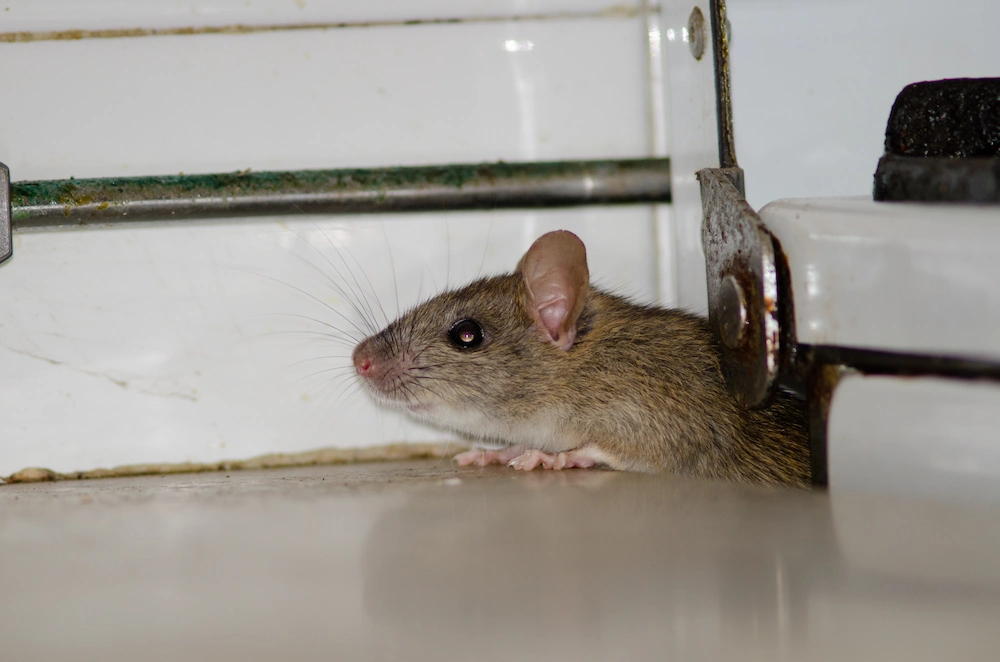
Even strong home habits sometimes are not enough. If activity keeps showing up despite your efforts, it usually means one of two things: there is still an entry point you have not found, or there is already a nest established in a protected void like an attic or wall space.
At that stage, targeted help is the fastest way to get control. A professional plan can combine inspection, exclusion recommendations, and trapping strategies that match the species and the property layout.
Learn more about our rodent control services in Texas if you want an inspection and a plan that fits your home.
If you are not sure whether you are in our coverage zone, take a look at the Texas service areas we support before you schedule.
Simple Texas Rodent Prevention Tips to Stick With Year-Round
The best prevention plan is the one you can maintain. You do not need to overhaul your entire home. You need a few repeatable habits that remove food, reduce shelter, and limit access, especially during seasonal changes when rodents are more likely to test your home.
Here is a simple routine to revisit every season:
- Do a quick pantry check and wipe shelves to remove crumbs and spills.
- Inspect the garage and attic for new clutter piles or torn storage.
- Walk the exterior and reseal any new gaps around vents and utility lines.
If you stay consistent, your home becomes a harder target. And when rodents have to work too hard for food and shelter, they usually move on to somewhere easier. Contact us for a free quote and keep your house a rodent-free zone with Romney Pest Control!
Citations
IPM action plan for rodents. (n.d.). Texas A&M AgriLife Extension: School Integrated Pest Management. Retrieved January 19, 2026, from https://schoolipm.tamu.edu/forms/pest-management-plans/ipm-action-plan-for-rodents/