

Summary: A practical look at cinnamon as a DIY pest repellent, what it can and can’t do, and why professional service is usually the best long-term fix.
If you have a line of ants marching across the counter, it’s tempting to grab whatever’s in the pantry and fight back. Cinnamon is one of the most talked about DIY fixes, and it sounds harmless enough: sprinkle a little powder, and the bugs disappear.
But the real question is: does cinnamon repel pests in a way that actually protects your home long-term? Let’s look at what cinnamon can do, what it can’t, and why professional treatment is usually the difference between a quick pause and a real solution.
Why Cinnamon Gets Labeled a “Natural Repellent”

Cinnamon has a strong, lingering aroma because it contains naturally occurring compounds that can bother certain insects’ senses. In lab settings, concentrated cinnamon oil and its components have shown repellent or insecticidal effects against various pests. That scientific nugget is one reason cinnamon gets recommended so often in home remedy posts.
The catch is that most of those effects come from extracts or essential oils at controlled concentrations, not from the small amount of ground cinnamon you shake from a spice jar. Powder can smell strong to us, but the active compounds are present at much lower levels and disperse quickly in real homes with airflow, cleaning, and foot traffic.
How Cinnamon Affects Pests in the Real World
In a house, cinnamon works best as a short-lived “disruption” tool. For example, ants rely heavily on scent trails. A fresh line of cinnamon across an entry point can interrupt that trail and make the path less appealing for a little while. This is why people sometimes see quick results, especially with light ant activity.
That said, cinnamon rarely solves the underlying problem. If the nest is in a wall void, under a slab, or somewhere in the yard, the colony still exists and will simply scout for a new route. In other words, cinnamon may change the traffic pattern, but it usually won’t end it.
What About Roaches, Spiders, and Rodents?
You’ll see claims that cinnamon drives away everything from cockroaches to mice. In practice, those results are inconsistent. Roaches and rodents are motivated by food, moisture, and safe harborage. A scent deterrent that is not paired with exclusion and removal of resources is easy for them to ignore or work around.
Spiders are similar. If a home has a steady supply of prey insects, spiders will keep showing up. A spice on the baseboards does not address the bigger issue of why the food chain is thriving indoors.
The Most Common Cinnamon Pest Control Myths

A lot of cinnamon hype comes from a real idea that gets stretched too far. Yes, some pests dislike certain strong scents. No, that does not automatically mean the scent is a reliable control method for every species in every home.
This is where natural pest repellents myths tend to spread: a quick fix works once, gets posted online, and then gets repeated as a universal solution. The result is homeowners spending weeks trying one pantry trick after another while the infestation grows behind the scenes.
Limitations of DIY Pest Repellents (Including Cinnamon)
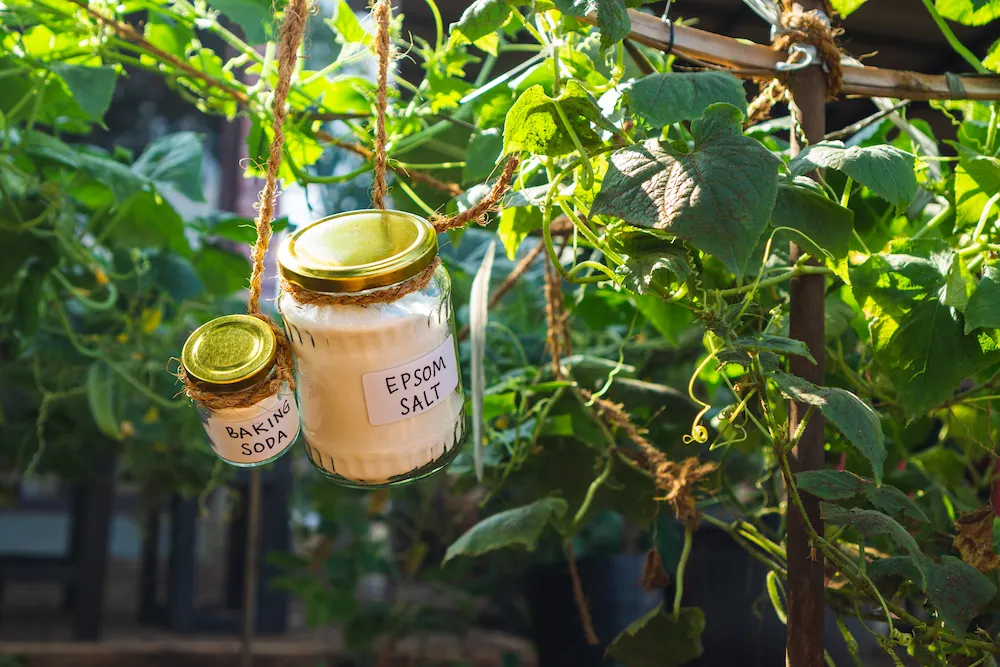
DIY deterrents can have a place, especially for minor nuisance issues. But when you’re dealing with an active infestation, these approaches typically fall short for a few predictable reasons.
Here are the limitations of DIY pest repellents that we see most often in Texas homes:
- Short-term effect: scents fade, get vacuumed up, or stop working once pests find an alternate route.
- No source control: repellents do not remove nests, egg cases, or hidden harborage areas.
- Misidentification: different ant species and roach species behave differently, so the wrong tactic wastes time.
- Partial coverage: treating one visible area ignores the wall voids, attic spaces, plumbing penetrations, and exterior entry points pests actually use.
There’s also a safety angle. Piling powders in corners can create a mess, stain porous surfaces, and become an irritant if it gets airborne during cleaning. Essential oils, while “natural,” can be concentrated and should be used carefully around kids and pets.
So, Does Cinnamon Work for Pest Control?

As a strict “repellent,” cinnamon can sometimes discourage small numbers of ants for a short time, especially when it’s freshly applied at a specific entry point. That can be useful as a temporary measure while you’re cleaning up crumbs, wiping down surfaces, and figuring out where the pests are coming from.
But as a pest control strategy, cinnamon is rarely enough. If pests have already established themselves in your walls, crawl space, attic, or yard, you need a plan that removes the source, blocks entry, and keeps pressure down over time.
Why Professional Pest Control Beats Home Remedies
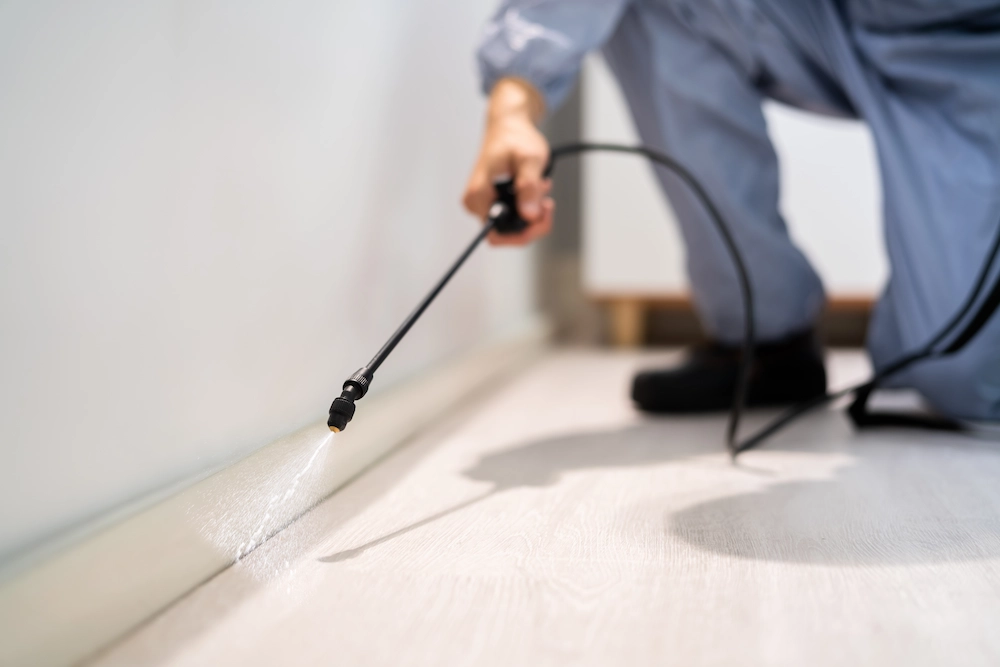
A successful treatment is not just about chasing pests away. It’s about identifying the species, locating activity zones, and using targeted products and methods that reach where pests live, not just where you see them.
That’s the big difference in the professional pest control vs home remedies conversation. Pros bring trained eyes, commercial-grade materials, and a repeatable process that is designed for Texas pest pressure and Texas construction styles.
If you’re ready for a long-term solution, check out Romney’s home pest control services for year-round protection that covers common household pests like ants, roaches, and spiders.
And if you’re dealing with persistent activity in the area, our local team can help with Houston pest control that’s built around what’s actually happening in and around your property, not a one-size-fits-all DIY tip.
What You Can Do Today While You Schedule Service
If you want to take action right now, focus on steps that reduce the things pests need to survive. These are the same fundamentals we recommend alongside any treatment plan.
- Clean up food sources: wipe counters, sweep crumbs, and store pantry items in sealed containers.
- Reduce moisture: fix leaks, dry out damp areas, and keep drains clean.
- Cut off entry: seal obvious gaps around doors, windows, and plumbing penetrations when possible.
If you still want to try cinnamon, keep it in the “temporary deterrent” category. Use a light, easy-to-clean line near a suspected entry point, and treat it as a short stopgap while you address sanitation and get professional support.
Final Takeaway
Cinnamon is not useless, but it’s not a magic shield either. It may disrupt a few pests in the moment, especially ants, but it usually won’t eliminate an infestation or keep pests from returning.
When you want fewer surprises, fewer repeat outbreaks, and a plan that actually fits your home, professional help is the fastest path to relief. Romney Pest Control can pinpoint the source and build a treatment plan that keeps your space pest-free without relying on guesswork. Contact us for a free quote and enjoy the peace of mind that comes with our reliable services!
Citations
Types of termite nests. (n.d.). Orkin. Retrieved February 12, 2026, from https://www.orkin.com/pests/termites/colony/termite-nests