

Summary: A practical guide for Texas homeowners on sealing entry points, reducing moisture, and building routines to prevent winter pest invasions.
When temperatures drop in Texas, pests do not disappear. They pivot. Rodents look for warmth, roaches hunt for water, and spiders follow the bugs into garages, attics, and quiet corners.
If you want to winterize your house against pests, the goal is simple: make your home harder to enter and less rewarding once inside. A few weekend projects now can save you from surprise sightings and late-night traps later.
Why Winter Brings Pests Indoors

Cold weather changes how pests behave. Outdoor food sources shrink, standing water becomes less available, and sheltered spots become more valuable. Your home offers all three, especially around utility penetrations, door thresholds, and attached garages.
This is also the season when small issues get louder. A loose door sweep or a gap under siding might not matter in summer, but it becomes an open invitation when the nights stay cold. That is why cold weather pest prevention is mostly about exclusion and maintenance, not just spraying around the baseboards.
Seal the Spots Pests Use Most
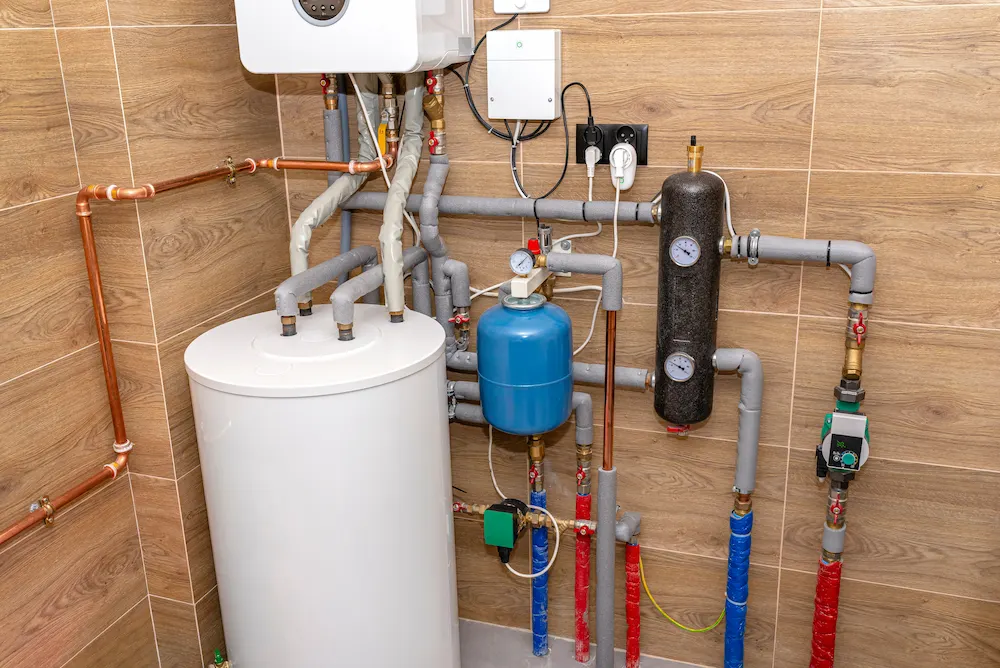
You can do a lot with a flashlight and a slow walk around the exterior. Look at the foundation line, the area where pipes and cables enter, and any place two materials meet like brick to siding or trim to soffit. If you can see daylight, a pest can find its way in.
Focus on durable fixes. Use weatherstripping for doors, replace torn screens, and add door sweeps where the gap is obvious. For cracks and small voids, quality exterior caulk is your friend. In larger gaps, use backer rod before caulking so the seal lasts.
Quick areas to check before the next cold front:
- Gaps around exterior doors, garage doors, and pet doors
- Weep holes, foundation cracks, and expansion joints
- Plumbing and HVAC penetrations, including the water heater closet
- Vents and screens for the attic, dryer, and bathroom exhaust
This is the backbone of seal entry points to prevent pests. Once you close the access points, everything else you do becomes more effective.
Reduce Heat, Water, and Shelter That Attract Winter Pests

Even with solid sealing, pests will keep testing your home if conditions stay inviting. Start with moisture. Roaches and rodents can live on very little, but they love a consistent water source.
Fix small leaks under sinks, in laundry rooms, and near water heaters. If you have a humid garage or a damp utility room, run a dehumidifier and improve airflow. The drier the space, the less attractive it is to pests looking to ride out the winter.
Next is clutter. Cardboard, storage piles, and stacked firewood create the kind of hidden shelter pests prefer. Store items in plastic bins with tight lids, keep shelving a few inches off the wall, and avoid storing things directly on the floor. These are simple ways to keep pests out in winter without turning your home into a construction project.
If you want an expert set of eyes on entry points and activity, our home pest control services include a detailed inspection approach that helps catch problems early.
Build a Winter Routine That Makes Your Home Less Appealing

A one-time seal and clean-up is great, but winter pests are persistent. A short weekly routine keeps you ahead of the problem, especially in high-risk spaces like kitchens, garages, and pantries.
Start by tightening up food storage. Use airtight containers for pantry items, do not leave pet food out overnight, and wipe crumbs in the garage or mudroom where snacks tend to travel. Then check the quiet places. If you see droppings, gnaw marks, or new insect activity, address it quickly before it spreads.
A simple 10-minute weekly checklist:
- Empty trash and recycling, then rinse sticky containers
- Vacuum along baseboards and behind appliances
- Check door sweeps and weatherstripping for new gaps
- Scan the garage for new webs, droppings, or chew marks
These are practical winter pest proofing tips that work because they remove what pests need most: easy food, easy water, and undisturbed shelter.
When DIY Is Not Enough
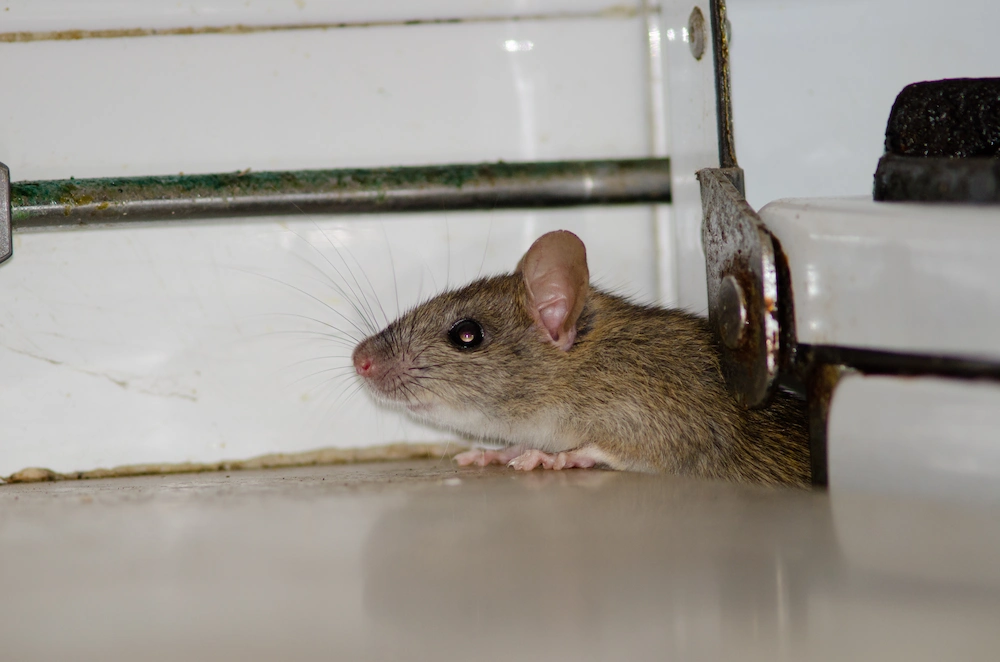
Sometimes the problem is bigger than a few gaps and a little clutter. If you are hearing scratching at night, finding droppings regularly, or seeing pests during the day, there is likely an established population somewhere in the structure.
Professional treatment matters because it is targeted. The right plan addresses the pest species involved, their entry points, and the conditions helping them thrive. If you want reliable winter home pest control, a thorough inspection and consistent follow-up usually make the difference.
Winterize Your House Against Pests with Romney!
Winter pests are not about bad luck. They are about access and opportunity. Seal the exterior, reduce moisture, and keep storage areas tidy, and your home becomes a much harder target.
If you would like help prioritizing fixes or dealing with an active issue, reach out to our local team for a quote and a plan that fits your home. A winterized house is prepared for a pest-free year!
Citations
How to winterize your home against pests. (n.d.). Clark’s Termite & Pest Control. Retrieved January 12, 2026, from https://www.clarkspest.com/how-to-winterize-your-home-against-pests/