
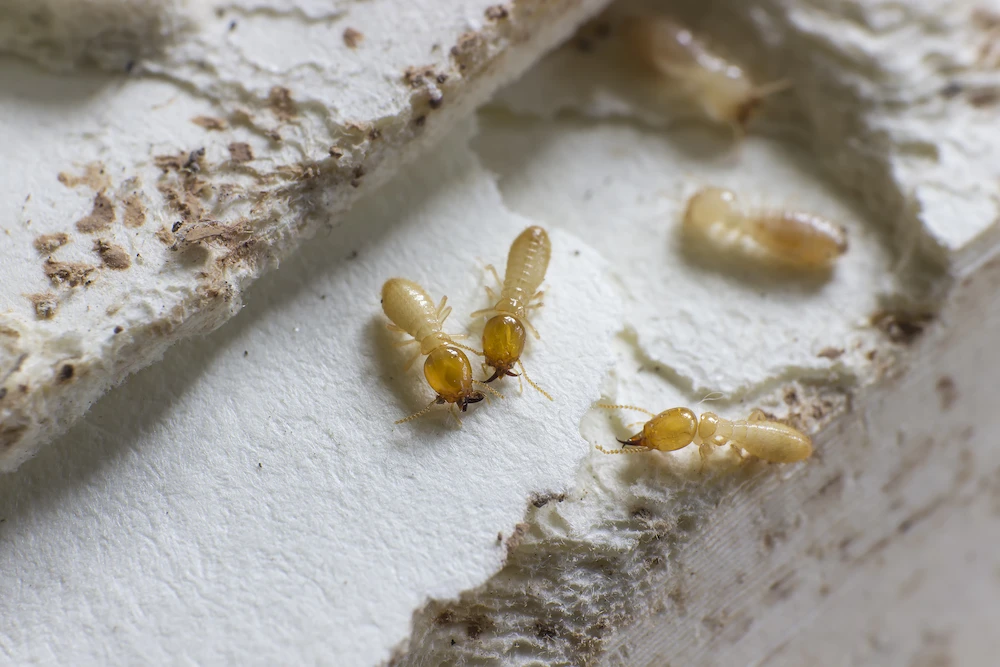
Summary: An educational guide explaining termite swarmers, why termites swarm, how flying termites enter homes, and what homeowners should do if they see swarmers indoors.
When homeowners first notice termites, it is often during a swarm. Dozens or even hundreds of winged insects suddenly appear near windows, doors, or lights. These insects are known as termite swarmers, and they play a critical role in how termite colonies spread and establish new infestations.
Swarming is one of the main ways termites expand their population. While it may seem alarming to see large numbers of flying insects indoors, the swarm itself is only a small part of the story. Understanding why termites swarm and how they enter homes can help homeowners identify risks before serious damage occurs.
Why Termites Swarm
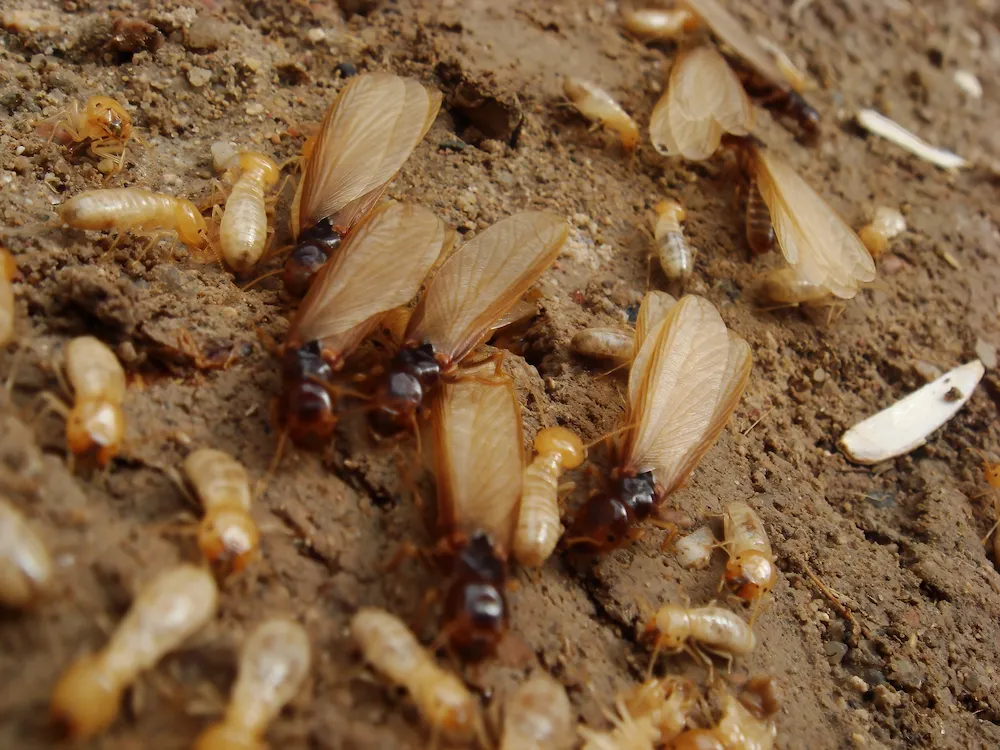
A common question homeowners ask is why termites swarm in the first place. Swarming is part of the termite reproductive cycle. When a colony becomes mature, it produces winged reproductive termites called swarmers or alates.
These winged termites leave the colony in large groups and fly away to start new colonies. The goal is to find a suitable environment where they can reproduce and build a new nest. After landing, swarmers shed their wings, pair up, and begin the process of establishing a colony.
Swarming usually happens during warm and humid conditions, often in the spring or early summer. These conditions make it easier for termites to survive outside the nest while they search for a new place to settle.
How Termites Get Into Houses
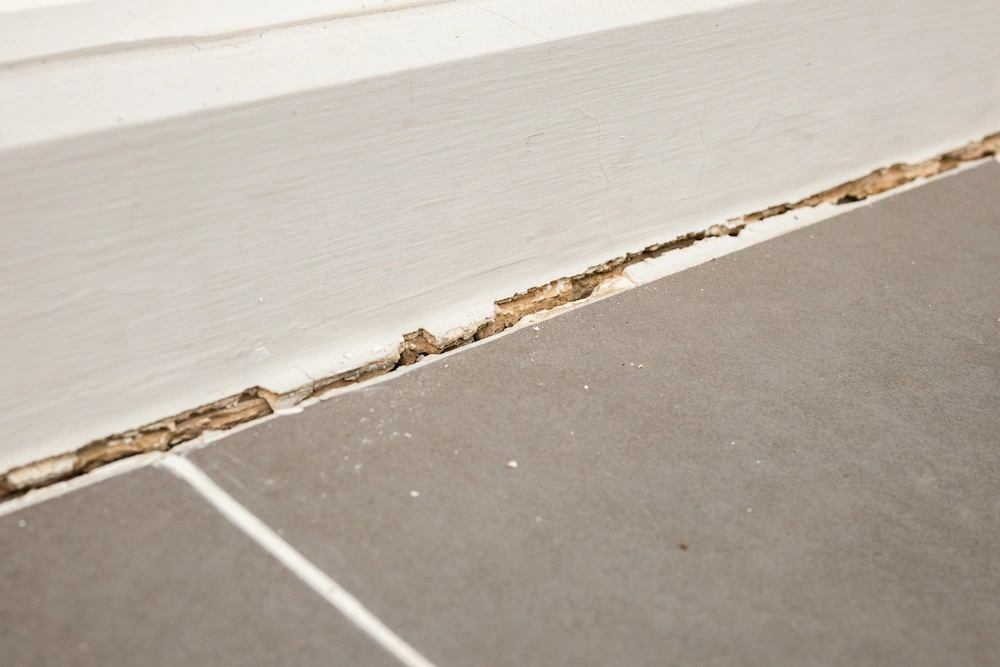
One reason termite infestations often go unnoticed is how termites get into houses. Termites rarely enter homes in obvious ways. Instead, they take advantage of small cracks, gaps, or hidden structural pathways.
Subterranean termites often travel through soil and build mud tubes to move between their underground colony and the structure. These tubes help them stay protected from air and light while searching for wood to feed on.
Common entry points include:
- Cracks in foundations or concrete slabs
- Gaps around plumbing or utility lines
- Wood that touches soil near the structure
- Expansion joints and structural seams
Because these entry points can be very small, termite activity can continue for months before homeowners notice signs of damage.
Termite Swarmers in House: What It Means
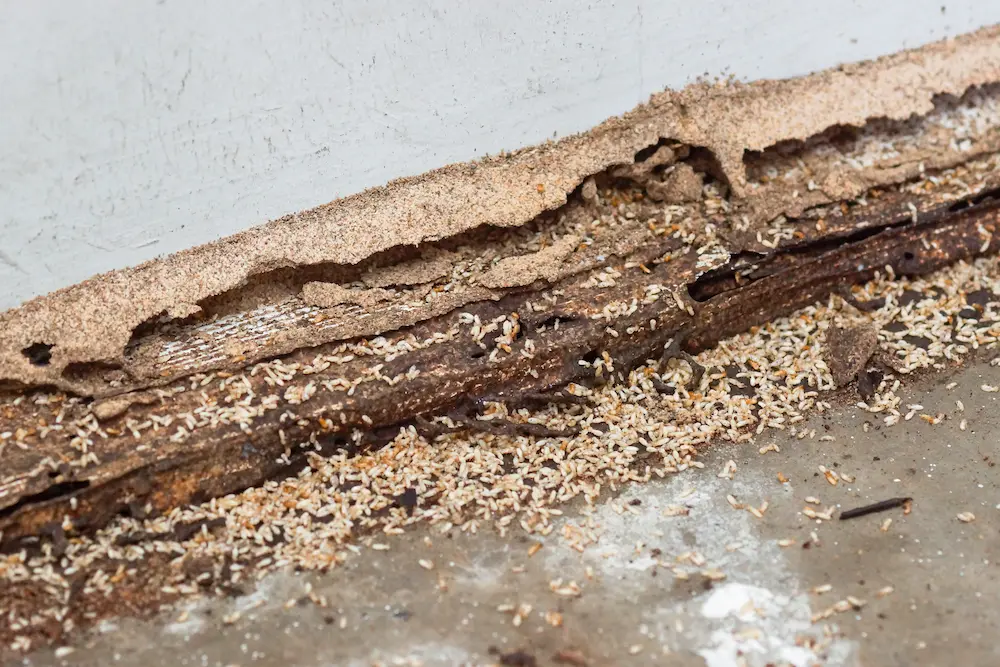
Seeing termite swarmers in house can be alarming, but it is also an important warning sign. When swarmers appear indoors, it usually means that termites are either already inside the structure or very close to it.
In some cases, swarmers may enter through open doors or windows after swarming outside. However, if you find large numbers of winged termites indoors or notice discarded wings on floors and windowsills, there is a strong possibility that a colony is nearby.
Swarmers are attracted to light, which is why they are often seen near windows, lamps, or glass doors. Homeowners may also find them in bathrooms, kitchens, or basements where moisture is present.
Flying Termites Infestation: How It Begins
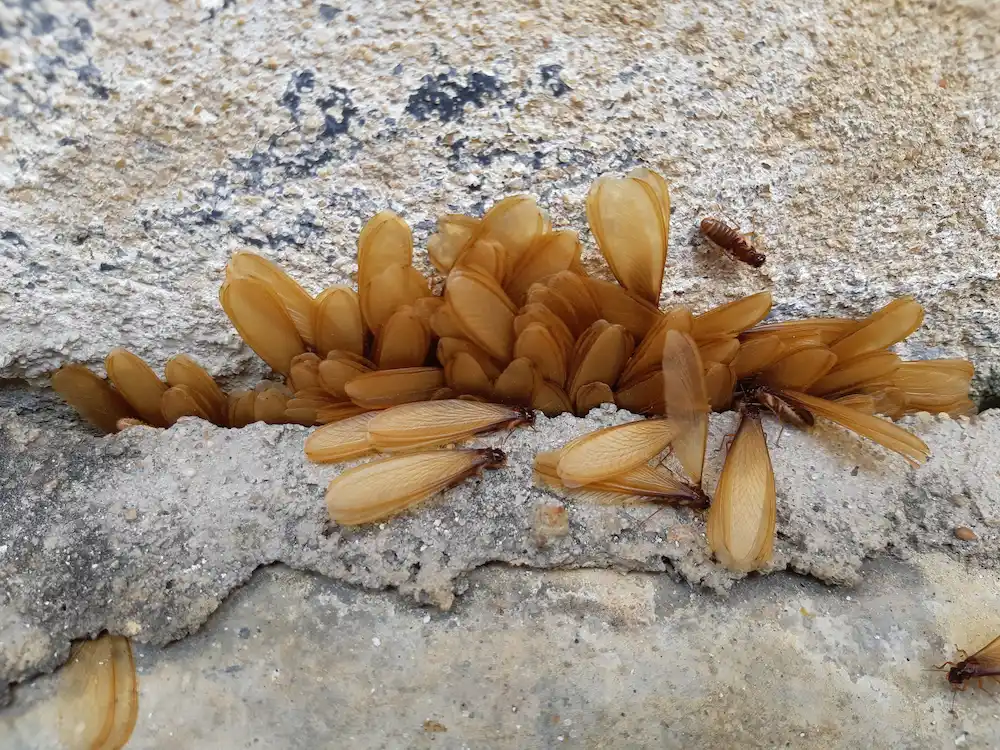
A flying termites infestation typically starts with swarmers searching for a new nesting location. After landing, a male and female pair will shed their wings and look for a small, protected space to begin a colony.
Once they find a suitable location, the pair becomes the new king and queen. The queen begins laying eggs, and the first generation of worker termites eventually takes over the job of gathering food and expanding the nest.
In the early stages, termite colonies are small and difficult to detect. Over time, however, the colony grows and can begin feeding on structural wood within the home.
Because termite damage often happens inside walls, floors, or foundations, infestations can remain hidden for long periods.
How Termites Invade Homes Without Being Noticed
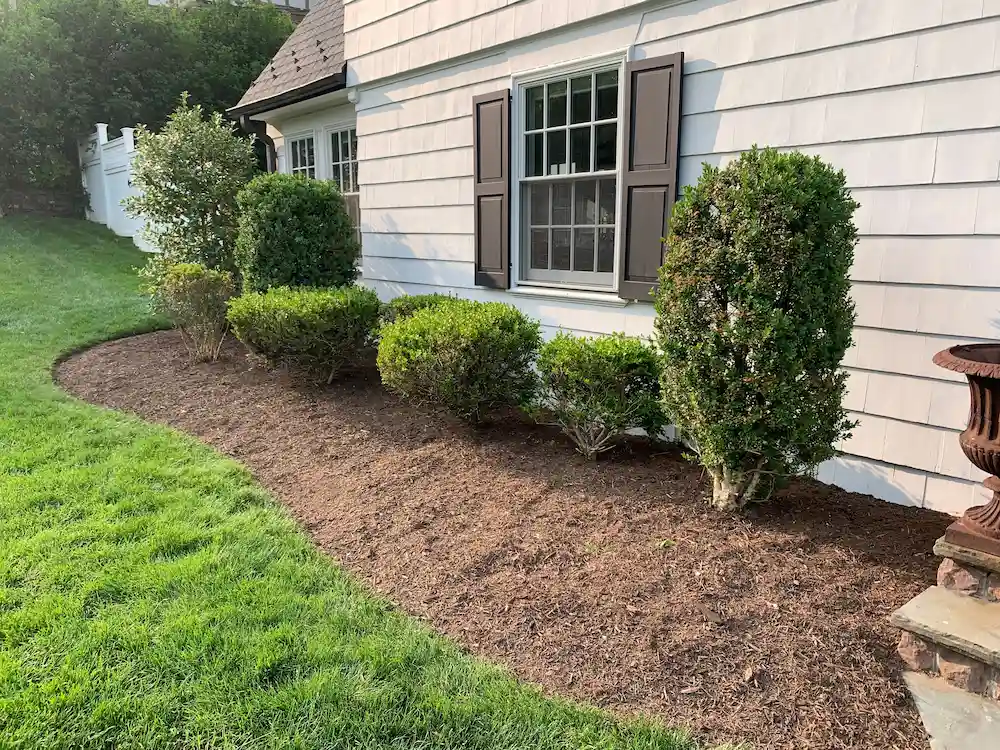
One of the biggest concerns homeowners face is how termites invade homes without obvious signs. Termites prefer dark, moist environments, which makes wall cavities and crawl spaces ideal places to live.
Unlike many pests, termites do not need open access to your home. They can enter through very small openings and travel through hidden pathways to reach wood structures.
Factors that increase the risk of infestation include:
- Excess moisture around the foundation
- Wood debris or mulch near the home
- Poor drainage or standing water
- Cracks or gaps in exterior structures
When these conditions exist, termites can establish themselves nearby and slowly expand their tunnels into the home.
Recognizing the Early Signs of Termite Activity
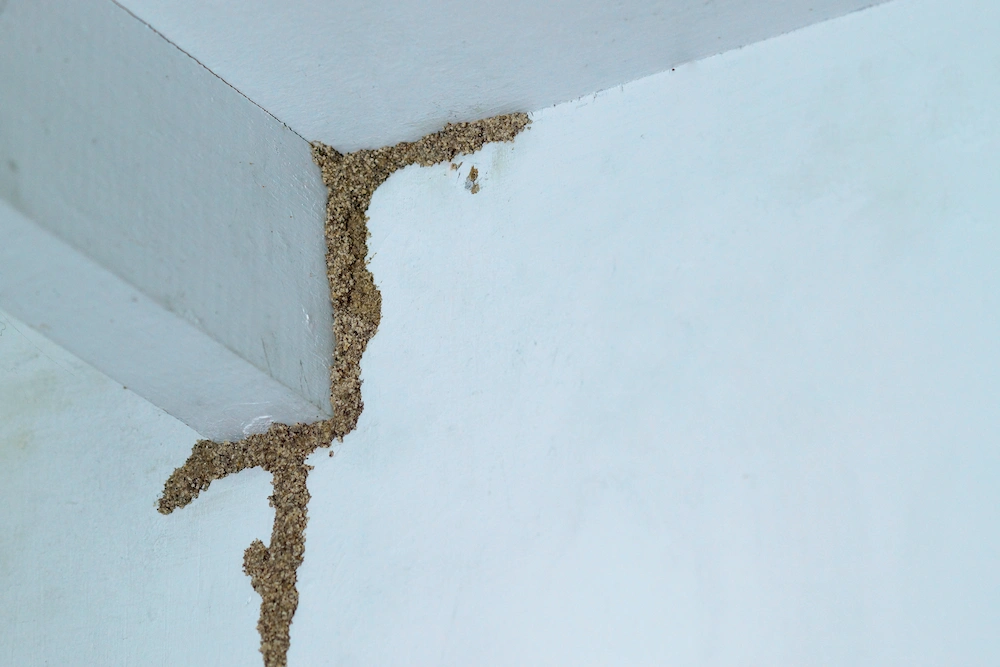
Although termites can invade homes quietly, there are still warning signs that homeowners should watch for. Recognizing these signs early can help prevent extensive damage.
Some common indicators include:
- Discarded wings near windows or doors
- Mud tubes along foundations or walls
- Hollow sounding wood when tapped
- Bubbling or peeling paint that resembles water damage
These signs often appear before structural damage becomes severe. Early detection makes treatment more effective and less costly.
Protecting Your Home From Swarming Termites
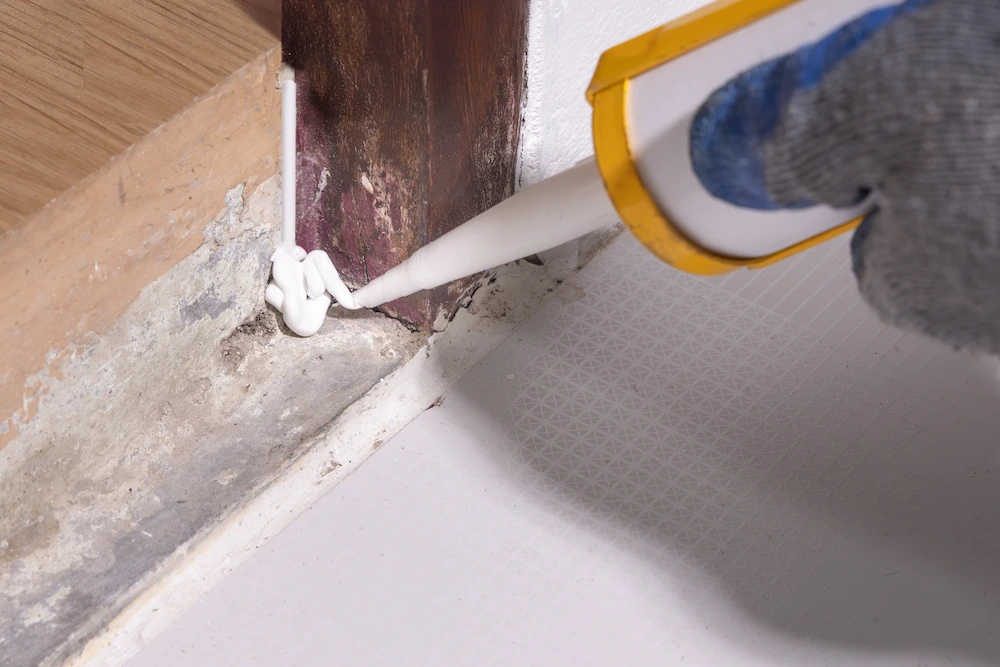
Understanding termite swarmers and their behavior can help homeowners take steps to reduce infestation risks. Preventive maintenance around the home can make it more difficult for termites to gain access to wood structures.
Keeping soil and mulch away from the foundation, repairing leaks quickly, and sealing structural gaps can help limit entry points. Regular inspections are also important, especially in regions where termite activity is common.
Professional pest control services can identify potential risk factors and provide treatment options that protect the structure from future infestations.
Final Thoughts
Swarming termites are often the first visible sign of a larger problem. Seeing termite swarmers does not always mean a full infestation has occurred, but it should never be ignored.
Learning how termites invade homes and why termites swarm can help homeowners recognize early warning signs. Taking action quickly can prevent small termite problems from becoming costly structural damage. Contact us for a free quote on our effective termite services today!
Citations
How termites get in your home. (n.d.). Orkin. Retrieved March 11, 2026, from https://www.orkin.com/pests/termites/how-termites-get-in-your-home