

Summary: When evenings start earlier after daylight savings, nocturnal pests become more noticeable around Texas homes. This post explains which pests are most active at night, why after-dark pest activity increases, and how homeowners can protect their property with simple prevention and professional pest control at night services.
As clocks fall back and evenings arrive earlier, many homeowners notice more critters stirring once the sun goes down. Lower light and cooler night air create perfect cover for pests that prefer the quiet hours. If your porch light suddenly feels like a magnet, you are not imagining it.
This guide breaks down which pests are most active after sunset, why the season shift makes them bolder, and how to protect your property when darkness shows up sooner. Our goal is to help you identify problems early and choose practical steps that work for Texas homes.
Why Earlier Darkness Changes What You See
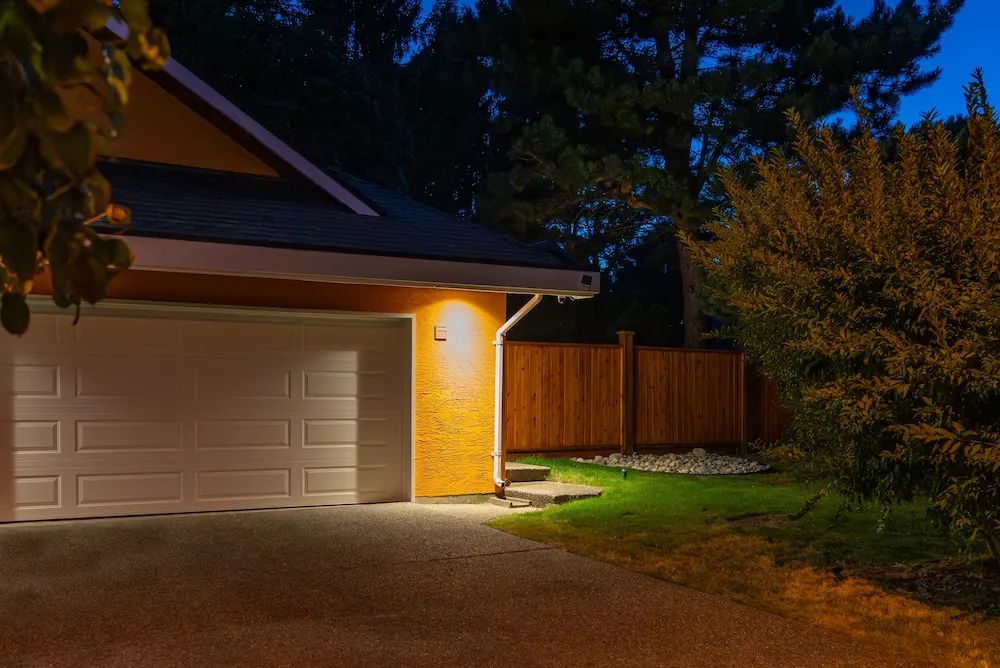
When daylight shrinks, we spend more of our routine in the dark hours. That overlap increases encounters with nocturnal pests. Porch lights, kitchen activity, and warm indoor spaces become reliable signals of food, water, and shelter.
Cooler nights also hold moisture longer at ground level. Damp leaf litter, clogged gutters, and shaded landscaping create reliable humidity pockets. Pests use these zones to travel and feed out of sight. The result is more frequent sightings, even if total populations have not changed.
The Most Common Culprits In Our Area
Below are the pests Texans most often report once the sun goes down. Each section explains where they hide, what draws them in, and how to cut off the conditions that invite them.
Mosquitoes
Twilight is prime biting time because wind usually calms and temperatures drop. Female mosquitoes key in on body heat and carbon dioxide, so outdoor chores and dog walks become easy targets at dusk. Standing water in planters, toys, drain trays, and clogged gutters fuels rapid breeding close to the home.
To cut activity, remove water from small containers weekly and keep gutters clear. Use a box fan on patios to disrupt flight paths, then pair air movement with long sleeves or repellent for better personal protection. For properties with consistent biting pressure, professional yard treatments help reduce populations throughout the warm months. You can learn more about Texas mosquitoes here.
Cockroaches
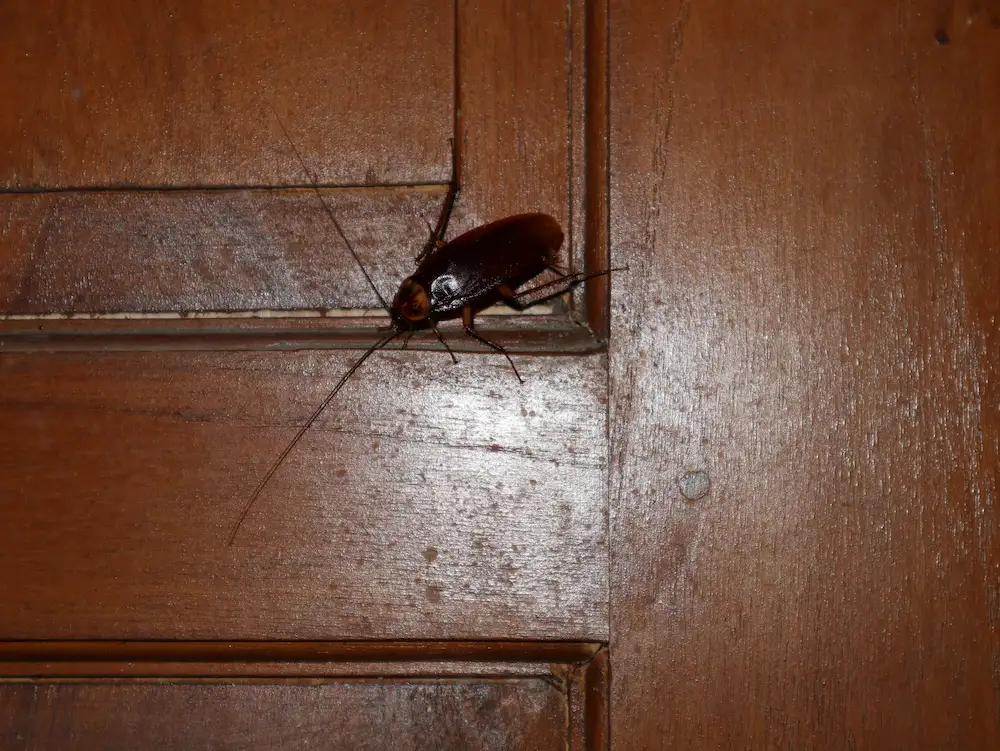
Roaches are classic nighttime pests. They leave tight daytime harborage in wall voids, cabinets, and appliance gaps to scavenge for crumbs, grease, and moisture after dinner. Kitchens, laundry rooms, and bathrooms are top zones because water lines and warm motors create ideal shelter.
Sanitation is your best first step. Wipe surfaces, contain pantry goods in hard containers, and empty small trash before bed. Fix leaks under sinks and behind appliances. Seal gaps around pipes and along kick plates so roaches cannot slip in and out of cover. Ongoing activity, droppings that look like coarse pepper, or a musty smell are signs to bring in a professional.
Rodents
Mice and rats are pests active at night because it is safer to search for food when we are asleep. They follow fence lines and plant cover to reach garages, sheds, and attics. Indoors, they travel along baseboards and behind appliances to avoid open spaces. Chew marks, pellet droppings, and scratching sounds in walls are common clues.
Trim vegetation at least a foot away from the structure and store pet food in sealed bins. Repair gnawed weatherstripping and close gaps wider than a pencil. Because rodents reproduce quickly and contaminate surfaces, prompt inspection and trapping are critical. A tailored plan that includes exclusion prevents repeat issues.
Spiders
Most house spiders prefer to stay hidden, but earlier evenings make their webs easier to spot around lights and eaves. Many species set lines near doorways where moths and small flies gather. Indoors, cluttered storage and undisturbed corners provide dependable web anchors.
Reduce prey and you reduce spiders. Swap bright white bulbs for warm temperature bulbs at exterior fixtures to attract fewer insects. Vacuum webs and egg sacs, then seal totes and reduce cardboard in closets and garages. If webs return quickly across many rooms, there may be an underlying insect food source to address.
Crickets
Field crickets often wander inside through door sweeps and garage gaps when nights cool. Their chirps can spike with after-dark pest activity, especially in cluttered garages and basements. Crickets thrive in the same conditions as roaches, which is why both may appear together.
Keep door sweeps tight to the floor and repair ripped screens. Store seasonal items in lidded plastic bins rather than soft boxes. A quick evening sweep of entry mats and thresholds goes a long way to cut down on accidental invaders.
Silverfish
These light-shy insects prefer humid, paper-rich spaces like bathrooms, utility rooms, and attics. They feed on starches in books, wallpaper paste, and dry goods. You may only notice them when a light flips on at night and they scoot for cover.
Lower humidity with ventilation, fix pipe sweats, and declutter stored paper. Seal cracks around baseboards and inside cabinets where pipes enter. Monitoring with sticky traps around baseboards can confirm activity and help target treatments.
Nighttime Prevention That Works

Small routine changes make evenings more comfortable and reduce pests that come out at night. Use the list below to prioritize easy wins.
- Empty standing water from trays, toys, and plant saucers each week.
- Wipe kitchen surfaces and run the dishwasher or wash dishes before bed.
- Close garage doors promptly and check door sweeps for light gaps.
These habits reduce food, water, and shelter in the exact hours when pests are most active. Pair them with a thorough exterior inspection to seal entry points and you will notice fewer surprises after dusk.
How To Tell You Have A Night Problem
If your schedule keeps you out until evening, it helps to look for patterns that signal a hidden issue. Several small signs can point to a growing infestation that mostly operates in the dark.
- Fresh droppings or grease marks along baseboards by morning.
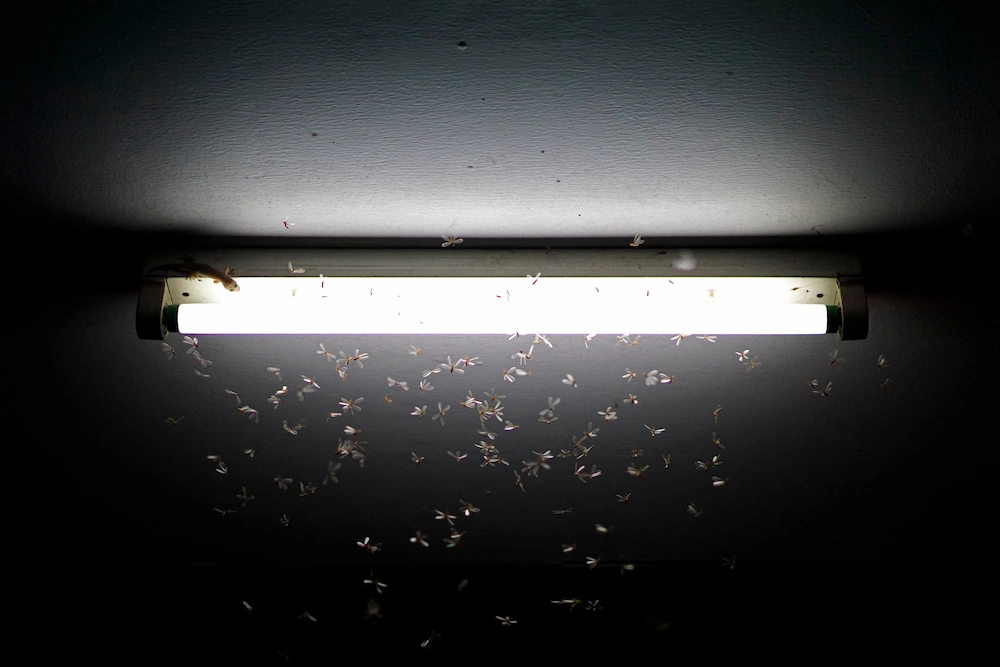
- Multiple moths or gnats circling the same porch light each night.
- New chew marks on pet food containers or door weatherstripping.
Track where and when you notice these signs. Photos and timestamps help our technicians target the source quickly during a service visit.
When To Call The Pros
DIY steps are powerful, yet heavy activity often needs a more comprehensive plan. Professional treatments reach wall voids, tight harborages, and exterior hot spots in a way store products cannot. A licensed technician can also identify the specific species involved and match treatment to its behavior, which saves time and reduces callbacks.
If you live in Dallas or the surrounding metro, you can schedule service through our Dallas page for details on timing and coverage. If evenings are your only free window, ask about pest control at night appointment options during booking. For properties with consistent mosquito pressure, our seasonal mosquito service options (April through October) help reduce biting so you can reclaim the yard for evening plans. Contact us for a free quote on our services today!
Citations
Can bugs see in the dark?. (n.d.). Terro. Retrieved November 7, 2025, from https://www.terro.com/articles/can-bugs-see-in-the-dark?srsltid=AfmBOoqOOnwMPj-wJmjlvPF_jfPTiU4IRL87p_0t2ROk5E70AP95sSBr